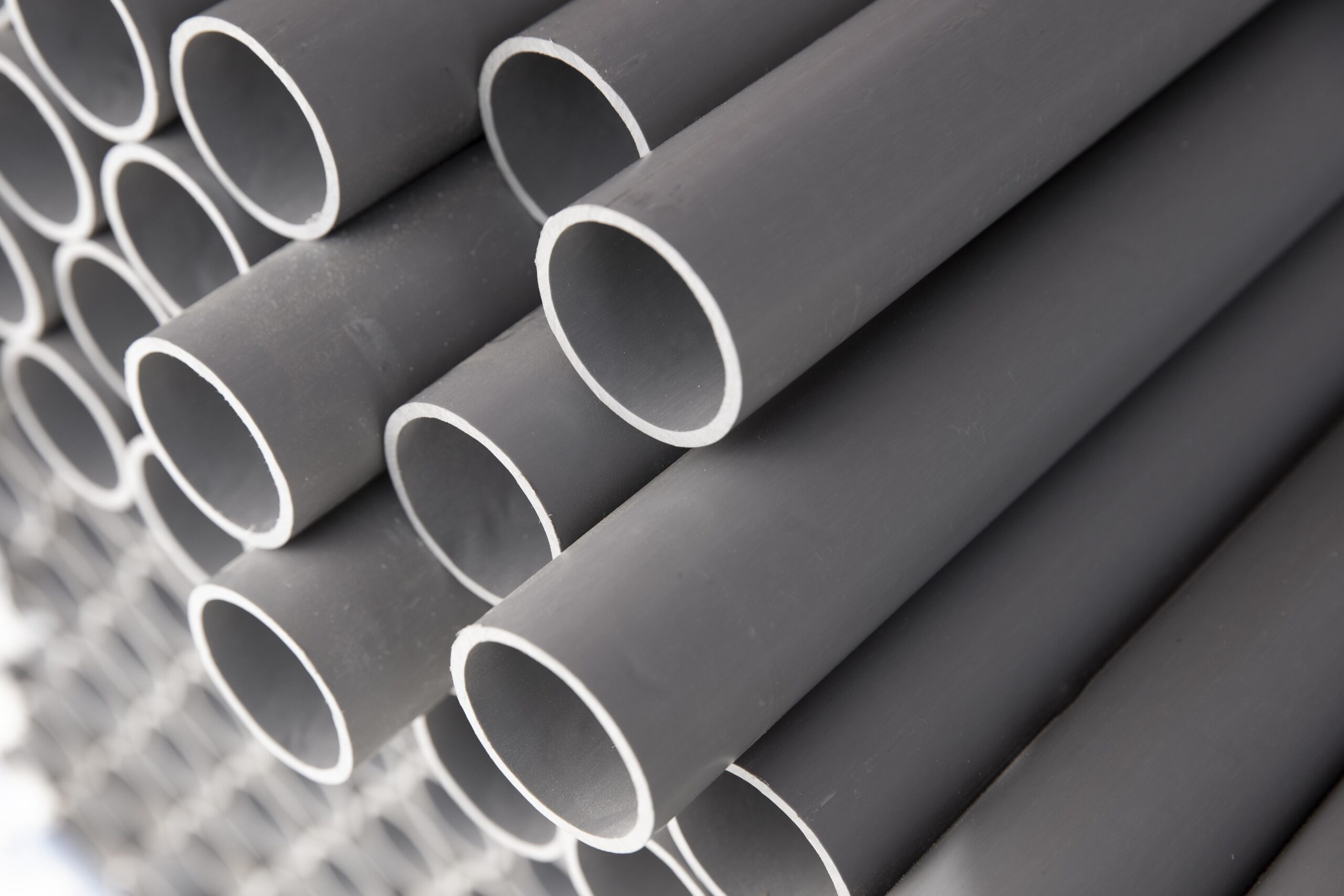
How UPVC SWR Pipes for Building Drainage Systems Manage Soil and Wastewater Efficiently
Building drainage must move soil, wastewater, and rainwater away from occupied spaces without frequent leakage or blockage. UPVC SWR pipes for building drainage systems are designed for these non-pressure applications, where reliable gravity flow and properly sealed joints are essential. Their smooth internal surfaces, corrosion resistance, and compatible fittings make them suitable for many residential, commercial, and institutional drainage layouts.
This article explains how these pipes manage different waste streams, the components used in a complete system, key benefits, and what to check when selecting products from an UPVC SWR pipe manufacturer.
What Are UPVC SWR Pipes for Building Drainage Systems?
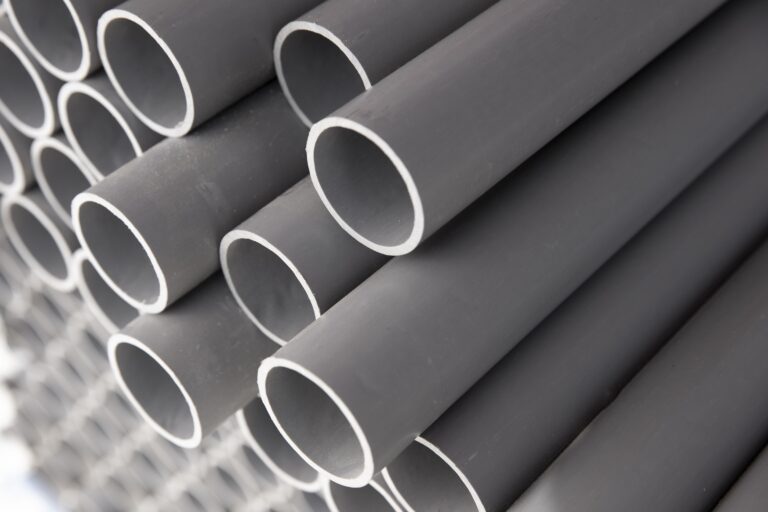
UPVC SWR pipes are unplasticized PVC pipes used to carry soil, waste, ventilation, and rainwater within and around buildings. BIS identifies IS 13592:2013 for PVC-U pipes used in soil and waste discharge systems inside and outside buildings, including ventilation and rainwater systems. Relevant injection-moulded fittings are covered under IS 14735:1999.
Unlike pressurized water-supply pipes, SWR drainage pipes normally operate by gravity. Pipe diameter, slope, fittings, ventilation, and jointing must work together to keep wastewater moving toward the intended discharge point.
How UPVC SWR Pipes for Building Drainage Systems Manage Soil and Wastewater
A drainage layout carries different discharge streams through planned routes. Soil lines handle toilet discharge, while waste lines carry water from sinks, wash basins, showers, and utility areas. Rainwater lines can collect roof runoff where the system is designed for that purpose.
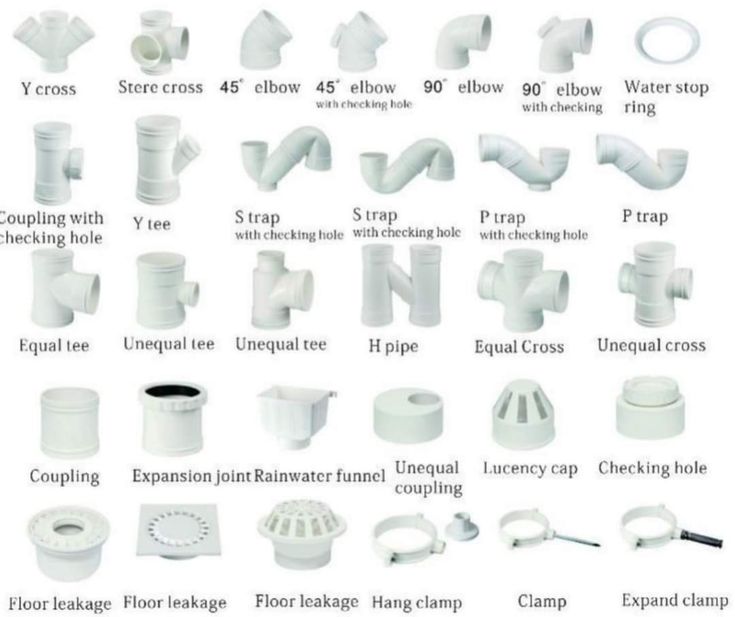
A complete SWR drainage pipe system can include:
- Pipes: Main routes for discharge.
- Bends and branches: Connect sections and change direction.
- Traps: Help prevent unwanted gases from entering occupied areas.
- Ventilation components: Support pressure balance and drainage performance.
- Access points: Allow inspection and cleaning.
- Joints and fittings: Connect components and help control leakage.
A smooth pipe bore can support efficient gravity flow when the system has suitable gradients and correctly sized components.
Managing Soil, Waste and Rainwater
Many building layouts use dedicated routes for soil, waste, and rainwater. UPVC soil waste rainwater pipes can form part of a coordinated arrangement when the selected products are suitable for the intended application. When comparing agriculture PVC pipe manufacturers in India, it is also important to evaluate product specifications and ensure the pipes are designed for the intended agricultural use.
For example, bathroom wastewater can enter a waste line, toilet discharge can enter a soil line, and roof runoff can be directed into a rainwater line. Proper planning helps prevent cross-connections and directs each flow toward the correct outlet or collection system.
Key Benefits of UPVC SWR Drainage
UPVC SWR pipes for building drainage systems can offer several practical advantages when correctly specified and installed:
- Corrosion resistance: UPVC does not rust like metallic piping.
- Smooth internal surface: Supports gravity flow and can reduce locations where deposits may accumulate.
- Lightweight handling: Makes transport, cutting, positioning, and site handling easier than many heavier materials.
- Flexible layouts: Bends, tees, couplers, traps, and other fittings support different building designs.
- Low routine maintenance: Proper installation can reduce issues associated with corrosion.
- Indoor and outdoor use: Applicable products are available for drainage arrangements inside and outside buildings, subject to the relevant specification.
These advantages do not replace correct sizing, slope, compatible fittings, and installation practices.
What to Check Before Choosing SWR Pipes
1. Applicable Standard
Check whether the pipe and fittings conform to the applicable Indian Standard for the intended use. BIS identifies IS 13592:2013 for PVC-U soil and waste discharge pipes and IS 14735:1999 for relevant fittings.
2. Pipe Size and Layout
Diameter should match expected discharge, fixture connections, branch arrangement, and building design. The drainage drawing should be reviewed before installation.
3. Joint Compatibility
Pipes, sockets, rubber-ring joints, solvent-cement systems, and fittings should match the specified installation method. Poor joints can become leakage points even when the pipe material is suitable.
4. Installation Conditions
Check support spacing, alignment, slope, access points, and protection from site damage. Installation should follow the manufacturer’s instructions and project specification.
5. Manufacturer and Product Consistency
A reliable UPVC SWR pipe manufacturer should be able to provide product information, applicable standard details, consistent dimensions, and compatible fittings. This matters especially on projects where multiple drainage sections must operate as one system.
Common Problems and How to Avoid Them
Drainage problems often result from design or installation issues. Common examples include:
- Incorrect slope: May slow gravity flow and encourage deposits.
- Poorly aligned joints: Can cause leakage or connection stress.
- Insufficient supports: May allow movement or sagging.
- Improper fittings: Can create abrupt flow changes or difficult maintenance points.
- Blocked access: Makes inspection and cleaning harder.
- Incompatible components: Can compromise joint performance.
A practical approach is to review the drainage drawing, confirm pipe and fitting compatibility, install correct gradients and supports, and inspect joints before closing walls, ceilings, shafts, or trenches.
UPVC Waste Water Pipes in Building Drainage
UPVC waste water pipes can carry discharge from sinks, wash basins, showers, kitchens, utility areas, and similar fixtures, depending on system design. They transport wastewater toward a drainage stack, collection line, treatment arrangement, or sewer connection rather than serving potable-water distribution.
In multi-storey buildings, designers should also consider vertical stacks, branch connections, ventilation, access for maintenance, and transitions between internal and external drainage.
Are SWR Pipes Cost-Effective?
Total cost depends on pipe diameter, quantity, fittings, jointing method, labour, supports, access requirements, and layout complexity. Comparing only the price per metre can be misleading because fittings and installation contribute to the complete system cost.
A better evaluation considers the total installed cost, maintenance requirements, applicable standards, product consistency, and availability of compatible components.
Why Product Quality Matters
A drainage system is only as dependable as its weakest connection. Consistent dimensions, suitable fittings, sockets, and reliable jointing help create a continuous flow path.
For projects using SWR drainage, buyers should request relevant technical documentation and verify that products suit the required application. Austropipes can be considered when sourcing UPVC drainage products for building projects, with selection matched to project requirements and specifications.
Conclusion
UPVC SWR pipes for building drainage systems provide a practical way to route soil, wastewater, ventilation, and rainwater through appropriately designed drainage networks. Their corrosion resistance, smooth internal surface, lightweight handling, and range of fittings can support efficient gravity drainage when correctly designed and installed.
The right selection involves more than choosing a pipe material. Check applicable standards, dimensions, fittings, jointing methods, gradients, supports, access points, and manufacturer documentation. When comparing the best PVC pipe manufacturers in India, consider product quality, compliance with relevant standards, and suitability for the intended application. AustroPipes can help project teams evaluate suitable drainage products according to project requirements.
Choose Reliable SWR Pipes for Building Drainage
For reliable drainage solutions, choose quality UPVC SWR pipes for building drainage systems designed for efficient soil, wastewater, and rainwater management. AustroPipes can help you select suitable pipes and fittings based on your project requirements.
Call us at: +91 99495 04930
Email: info@austropipes.com
Frequently Asked Questions
What are SWR pipes used for?
SWR pipes carry soil discharge, wastewater, ventilation air, and rainwater in suitable building drainage applications. The exact use depends on the product specification, fittings, layout, and project design.
Are UPVC SWR pipes suitable for toilets?
Yes, suitable UPVC SWR systems can carry toilet soil discharge when the pipe, fittings, diameter, ventilation, gradient, and jointing arrangement are designed for that application.
What standard applies to UPVC SWR pipes in India?
BIS identifies IS 13592:2013 for PVC-U pipes used for soil and waste discharge systems inside and outside buildings, including ventilation and rainwater systems. Relevant fittings are covered by IS 14735:1999.
What causes blockages in SWR drainage systems?
Blockages can result from inadequate slope, unsuitable sizing, trapped debris, poor alignment, excessive bends, or incorrect use. Good design, installation, access, and maintenance help reduce these risks.
How should I choose an SWR pipe manufacturer?
Compare applicable standards, product range, dimensional consistency, technical documentation, fitting compatibility, supply capability, and project suitability rather than choosing solely on the lowest price.
Can SWR pipes be used for rainwater drainage?
Yes, relevant PVC-U drainage systems can include rainwater applications. BIS’s scope for IS 13592:2013 includes ventilation and rainwater systems, but products should be suitable for the specific design and installation conditions.