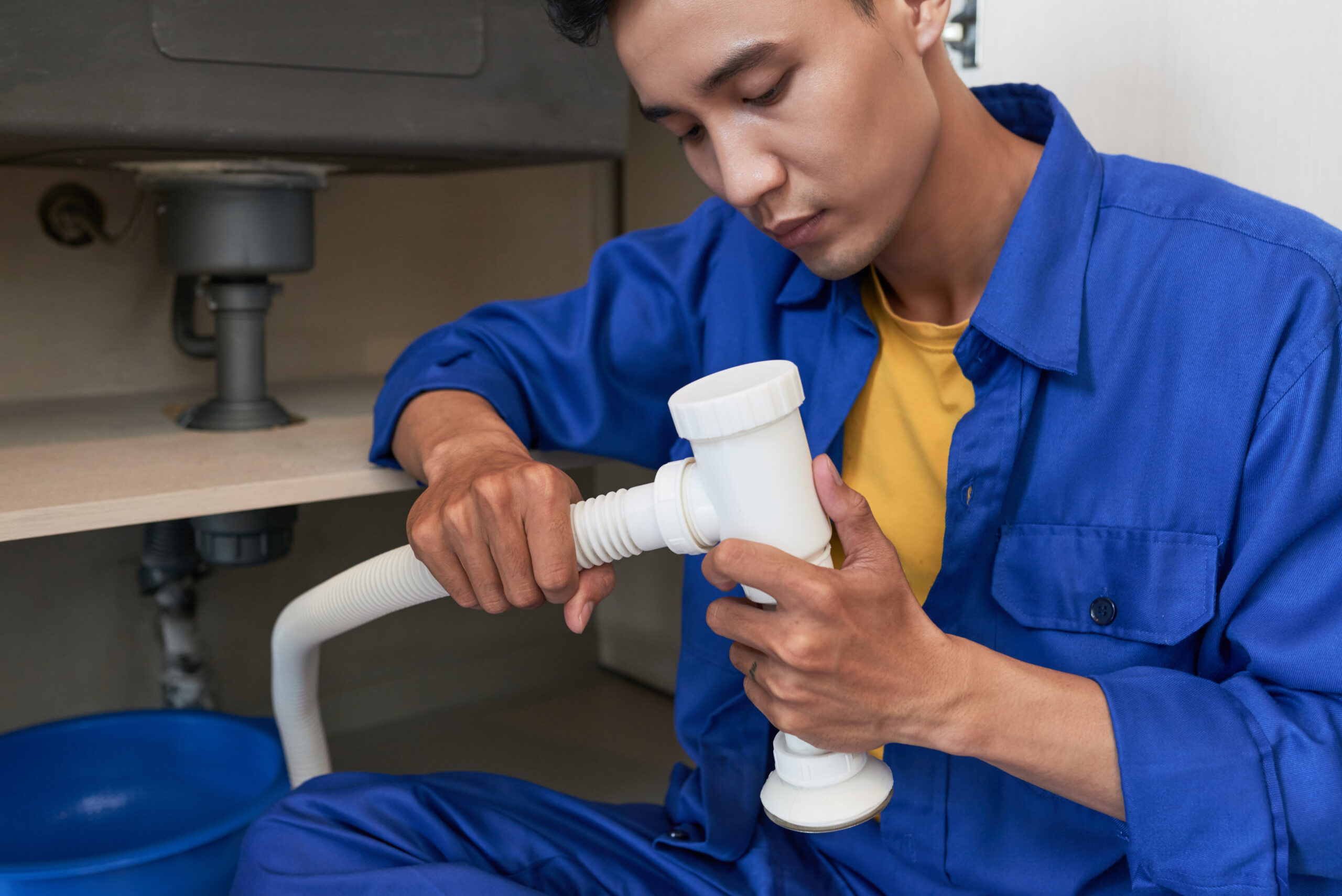
How to Choose the Right PVC Bend for Plumbing and Drainage Systems
When designing or repairing a piping system, selecting the right PVC bend for plumbing is just as important as choosing the pipes themselves. A well-chosen bend ensures smooth water flow, prevents leakage, and increases the lifespan of the entire system. Whether you’re working on residential plumbing or large-scale drainage projects, understanding the right fittings can save both time and cost.
In this guide, we’ll walk you through everything you need to know, including types, sizes, durability, and a complete PVC bend price and quality comparison guide to help you make an informed decision.
Understanding the Role of PVC Bends
PVC bends are essential fittings used to change the direction of water flow within a pipeline. They are widely used in both water supply and drainage systems due to their durability, corrosion resistance, and affordability.
Choosing the best PVC bend for drainage systems or water supply applications depends on several factors such as pressure, pipe size, and installation environment. A wrong choice can lead to blockages, pressure drops, or even pipe damage.
Types of PVC Bends Available
Before diving into selection criteria, it’s important to understand the different types of PVC bends. 90-degree bends are ideal for sharp directional changes, while 45-degree bends are used for smoother flow transitions. Long radius bends reduce friction and are suitable for drainage, whereas short radius bends are used where space is limited.
For most residential applications, 45° and long-radius bends are considered the best PVC bend for drainage systems because they minimize clogging and improve flow efficiency.
How to Choose PVC Bend Size for Pipes
One of the most critical steps is understanding how to choose PVC bend size for pipes. The size of the bend must match the pipe diameter to ensure a leak-proof connection.
Important factors include pipe diameter, flow requirements, pressure rating, and application type. Larger bends allow smoother water flow, while drainage systems may require wider angles for better performance.
Incorrect sizing can cause leakage, reduced efficiency, and long-term damage. That’s why understanding how to choose PVC bend size for pipes is essential for both professionals and DIY users.
Material Quality and Durability
Durability is a major factor when selecting durable PVC bends for plumbing applications. Not all PVC bends are made equal—some are designed for high pressure, while others are better suited for low-pressure drainage systems.
Look for features like UV resistance for outdoor use, high impact strength, smooth inner surfaces to prevent clogging, and compliance with industry standards. Using durable PVC bends for plumbing applications ensures long-term reliability and reduces maintenance costs.
Choosing for Water Supply Systems
When it comes to potable water, quality becomes even more critical. Always choose high quality PVC bends for water supply systems that are safe, non-toxic, and certified for drinking water use.
Key considerations include food-grade material, leak-proof design, resistance to chemical reactions, and long-lasting performance. Investing in high quality PVC bends for water supply systems not only ensures safety but also improves system efficiency.
PVC Bend Price and Quality Comparison Guide
Price often plays a major role in decision-making, but cheaper options may compromise quality. This is where a proper PVC bend price and quality comparison guide becomes useful.
Low-cost PVC bends usually offer basic material and moderate durability, while high-quality options use premium-grade PVC, provide longer lifespan, and deliver better performance. Although the upfront cost may be higher, premium bends offer better long-term value.
A smart buyer always follows a PVC bend price and quality comparison guide to balance budget and performance. Instead of focusing only on price, consider overall value and durability.
Common Mistakes to Avoid
While selecting a PVC bend for plumbing, people often make mistakes such as choosing the wrong size, ignoring pressure ratings, using low-quality materials, or not considering the application type.
Avoiding these mistakes will help you select the best PVC bend for drainage systems and water supply setups without future complications.
Final Thoughts
Selecting the right PVC bend for plumbing is a crucial step in ensuring an efficient and long-lasting piping system. From understanding how to choose PVC bend size for pipes to evaluating durability and cost using a PVC bend price and quality comparison guide, every detail matters.
Always prioritize durable PVC bends for plumbing applications and invest in high quality PVC bends for water supply systems to ensure safety, efficiency, and long-term performance. With the right choice, your plumbing and drainage systems will function smoothly for years to come.
Frequently Asked Questions (FAQs)
What is a PVC bend used for in plumbing?
A PVC bend for plumbing is used to change the direction of water flow in pipelines, ensuring smooth and efficient movement of water.
Which is the best PVC bend for drainage systems?
The best PVC bend for drainage systems is typically a long-radius or 45-degree bend, as it reduces clogging and improves flow.
How to choose PVC bend size for pipes?
To understand how to choose PVC bend size for pipes, always match the bend diameter with the pipe size and consider flow and pressure requirements.
Are durable PVC bends necessary for plumbing?
Yes, using durable PVC bends for plumbing applications ensures long-term performance, reduces leaks, and minimizes maintenance costs.
What should I check in a PVC bend price and quality comparison guide?
A good PVC bend price and quality comparison guide should include material quality, durability, lifespan, and overall value rather than just price.
Are high quality PVC bends safe for water supply systems?
Yes, high quality PVC bends for water supply systems are designed to be non-toxic, safe, and suitable for potable water use.