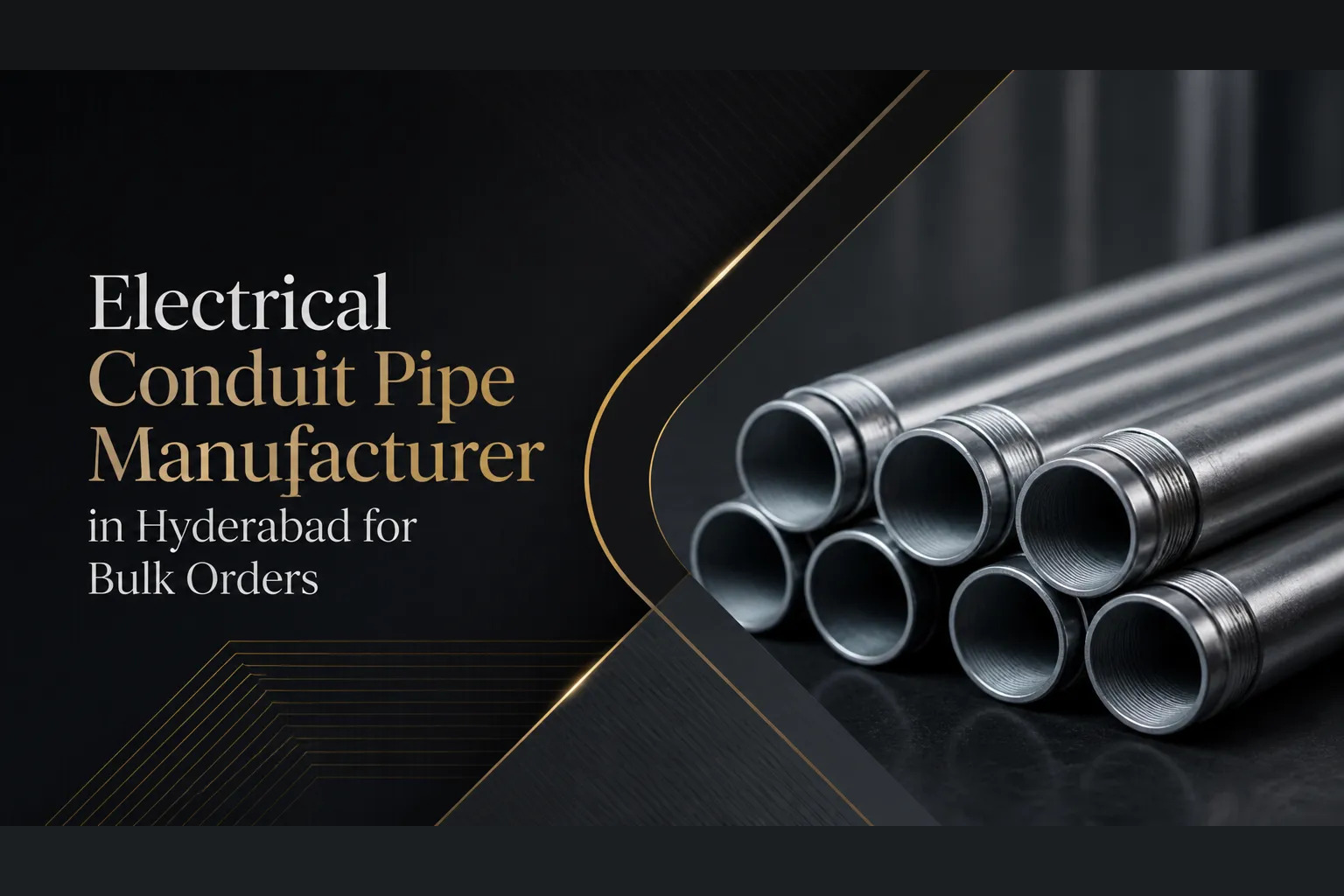
Electrical Conduit Pipe Manufacturer in Hyderabad for Bulk Orders
Electrical Conduit Pipe Manufacturer in Hyderabad for Bulk Orders
Introduction
Hyderabad’s construction pipeline has turned conduit procurement into a sourcing challenge for contractors, dealers and project buyers who need consistent grades, fittings and dispatch schedules. Choosing the right electrical conduit pipe manufacturer matters because wall thickness, stress classification and marking can affect installation, inspection and tender compliance. This guide explains the standards, compares pipe types and grades, and provides a practical checklist for bulk orders.
TL;DR / Quick Answer
An electrical conduit pipe manufacturer should supply marked pipes classified by mechanical stress, supported by test evidence and compatible fittings. For Hyderabad bulk orders, compare an ISO 9001:2015-certified local plant with nearby national suppliers, verify specifications, and confirm dispatch terms before purchase. Austro Plastic Industries LLP operates from Hyderabad and supports dealer and project enquiries across India.
What Is an Electrical Conduit Pipe? Types, Grades and IS Standards
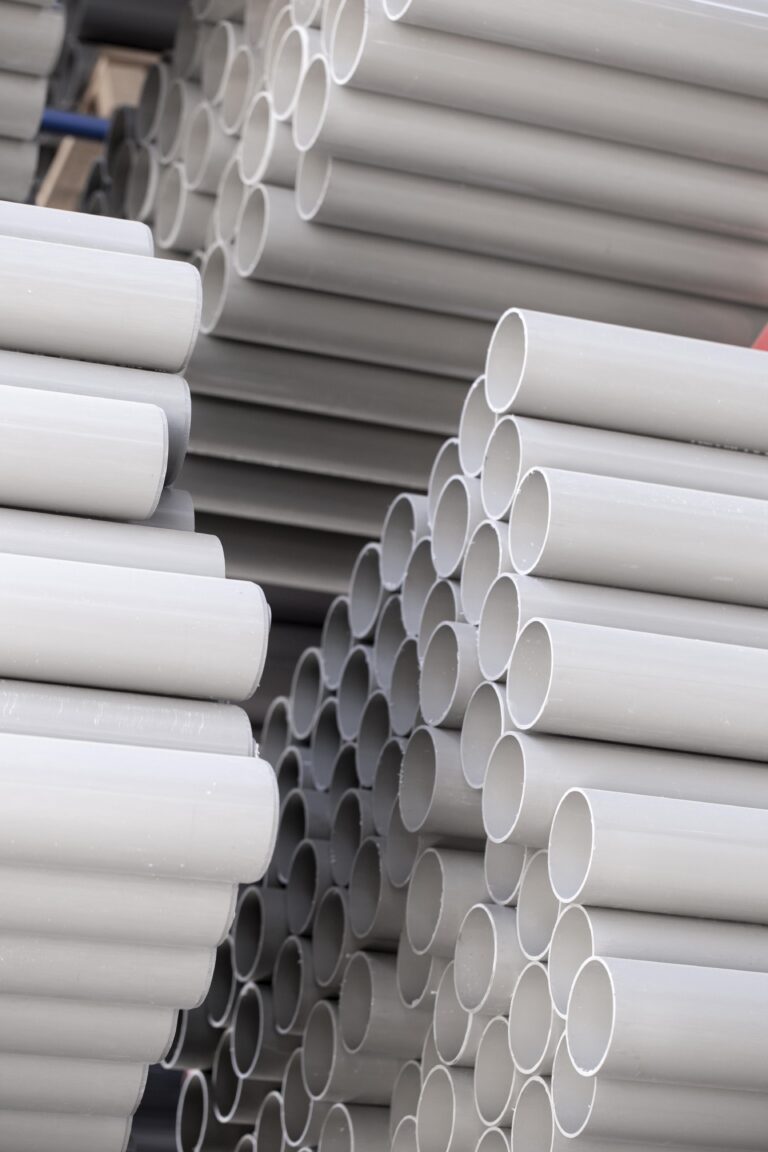
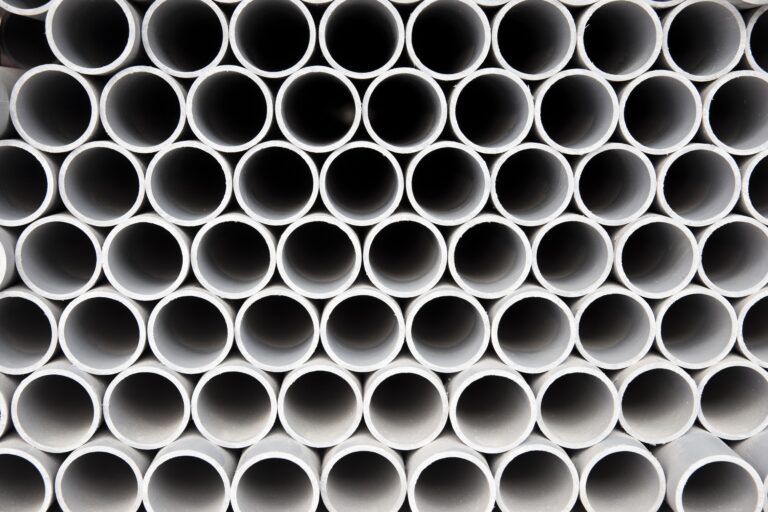
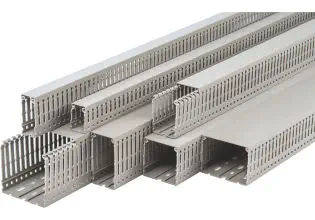
Electrical conduit is a protected pathway for cables and wiring. Rigid PVC conduit is common in concealed residential and commercial work because it is lightweight, easy to cut and resistant to corrosion. Flexible conduit accommodates movement between boxes and equipment. GI/MS conduit provides mechanical protection in demanding industrial environments, while HDPE is used in specialised buried or underground applications. Surface-routed installations may instead use PVC channels for surface wiring or a PVC casing and capping wiring system, where full conduit is unnecessary.
The principal specification for rigid plain conduits of insulating materials is IS 9537 (Part 3). BIS’s current version is IS 9537 (Part 3):2021, which classifies rigid conduits into light, medium and heavy mechanical-stress categories. It also requires batch marking with manufacturer name or trademark, nominal size, country of manufacture and stress classification. Buyers comparing quotations should therefore request the grade and marking on every length, not merely an “ISI” label. Austro Pipes’ Electrical Conduit Pipes are described as ISI-standard tested, with in-house laboratory checks supporting consistent production.
Top Electrical Conduit Pipe Manufacturers in India
Hyderabad sits within a genuine manufacturing belt rather than being only a trading centre. Several large polymer pipe plants operate across Telangana and the neighbouring states, producing rigid conduits to IS 9537 (Part 3) in the common 16 mm to 63 mm size range. Direct plant sourcing can remove a distribution margin and shorten lead times. At Austro Pipes electrical conduit pipe manufacturer operations, Austro Plastic Industries LLP was established in 2016 and manufactures from Shed No. 64 A&B, Road No 28, IDA Mallapur, Hyderabad. The company reports more than 3,000 dealers across Andhra Pradesh and Telangana and accepts supply enquiries from across India.
A brand-by-brand comparison should record material range, grade coverage, manufacturing location, certification evidence and fittings compatibility—not just brand recognition. Buyers can Explore the Austro Pipes product range, which covers electrical conduit, PVC channels, junction boxes, casing and capping, UPVC, CPVC, SWR and DWC pipes and fittings. Public information about other manufacturers’ current licences, plant capacities and commercial terms should always be checked directly, because specifications and channels change.
PVC vs GI/MS vs Flexible vs HDPE Conduit: Which to Use Where
Rigid PVC conduit generally suits concealed wiring in homes, offices, hospitals and retail developments. It is easy to install and electrically non-conductive, while its mechanical strength must match the load and impact conditions. Flexible conduit is useful for final connections, equipment movement and locations where a rigid route is impractical. It should not be treated as an equal substitute for rigid conduit in every embedded run.
GI/MS conduit is normally considered where greater mechanical protection, heat tolerance or a non-PVC solution is required. It is heavier, requires compatible fittings and appropriate cutting and joining methods, and generally costs more at the purchase stage. HDPE conduit is used in specific applications, including suitable underground routes, and requires system-compatible fittings. Comparing products only by purchase price can be misleading: fittings, labour, installation time, maintenance access and expected service life influence the total installed cost. For projects requiring a complete electrical pathway, ask each supplier for a bill of materials covering straight pipes, bends, couplings, sockets, junction boxes and the appropriate finishing accessories.
LMS vs MMS vs HMS: Wall Thickness, Sizes and Application Guide
LMS, MMS and HMS describe light, medium and heavy mechanical stress classes under IS 9537 (Part 3). The class indicates the level of mechanical stress the conduit is designed to withstand in service; it is not a quality ranking and should not be used as one. Project specifications and tender documents should state the required stress class clearly so that quotations remain comparable.
Common nominal sizes include 16, 20, 25, 32, 40 and 50 mm, with availability depending on the manufacturer and system. LMS is generally considered where mechanical stress is lower, such as protected concealed routes; MMS is widely specified for general electrical installations; HMS is considered for more demanding impact or mechanical conditions. These are application-selection guidelines, not substitutes for project design. Verify actual dimensions, wall thickness and test records against the applicable standard. A supplier that quotes only size and brand without stress classification leaves the buyer with an incomplete comparison. Austro Pipes’ conduit products can be evaluated by grade, dimensional consistency, surface finish, marking and compatibility with its own fitting range.
How to Verify BIS/ISI Certification and Government Approved Brand Lists
Start with the BIS licence or registration record. Search the relevant product entry using the licence number printed on the packaging or invoice and confirm that the manufacturer’s name, registered address and covered product match the goods supplied. An ISI logo alone does not establish that a particular batch or product is covered. BIS publishes a dedicated Product Manual for rigid plain conduits under IS 9537 (Part 3), and a separate product manual for rigid steel conduits under IS 9537 (Part 2):1981. These define the certification route and applicable tests.
Ask for batch test certificates, dimensional reports and marking samples before dispatch. Each length should carry the required identification and stress classification, and the supplier should be able to explain its batch traceability. For government and institutional work, check the tender’s approved-brand list, prevailing works department specifications and any state housing authority requirements; these can impose conditions beyond the product standard. Also verify the standard, including any amendments applicable to the purchase. BIS itself explains the classification and testing regime in its published IS 9537 (Part 3):2021 training material, which is a useful reference during supplier scrutiny.
Price Guide: Per-Metre Costs, Fittings Bundles and Project Cost Comparison
Austro Pipes does not publish fixed prices because quotations vary by product, size, quantity and commercial terms. The same applies to most bulk manufacturers and dealers. Instead of relying on an unverified per-metre figure, request a written quotation that separates straight pipe, bends, couplings, sockets and junction boxes, and states freight, packing, loading and tax treatment separately. This is essential for comparing projects in Andhra Pradesh with those in other states.
Compare a fitted rate per running metre rather than a bare pipe rate. A cheap conduit can become expensive if its bends, couplings or joints are incompatible with the proposed accessories. Ask whether the quotation includes site delivery, and confirm minimum order quantity, dispatch time and payment terms in writing. Bulk pricing is usually driven by volume, grade, size mix and order configuration, so changing the specification after quotation can alter the commercial offer. For a working budget, obtain three comparable quotations using the same sizes, stress classes, fittings list and delivery terms. Use the Contact Austro Pipes page to request current dealer, bulk and project pricing for your specific requirement.
10-Point Checklist for Choosing a Conduit Pipe Manufacturer
Before releasing a bulk order, confirm that the manufacturer holds ISO 9001:2015 certification and can identify the product’s ISI-standard testing status. Ask for the stress classes offered, nominal size range and marking format on each length. Request batch test documentation and verify the BIS licence independently. Establish whether the supplier manufactures in-house or resells, because this affects traceability and accountability. Clarify the fittings range: conduit, bends, couplings, sockets and junction boxes should come from a compatible system.
Next, review dealer and distributor coverage for after-sales availability, and obtain the current BIS Product Manual reference. Discuss OEM or private-label options, packaging, labelling and dispatch documentation for project identification. Ask for quotation transparency, including freight and taxation. Finally, confirm lead times at the quotation stage rather than assuming them, and obtain a written quality policy or complaint process. Austro’s reported dealer network of more than 3,000 dealers across Andhra Pradesh and Telangana indicates established distribution reach, while enquiries for supply across India are accepted.
Installation Guide: Solvent Cement, Bends, Spacing and IS 3043 Compliance
Plan routes before cutting. Measure, mark and support conduit so that bends, joints and boxes remain accessible where maintenance is required. Clean pipe and fitting surfaces, dry them, apply an appropriate solvent cement for compatible PVC systems and allow the joint to set before handling. Use the manufacturer’s instructions for cure time, temperature conditions and permissible joint rework. Avoid excessive solvent or forcing misaligned pipes, since both can weaken a joint.
For bends, use purpose-made bends or controlled bending methods and observe the permissible bend radius; mechanical spring bending is suitable only where the manufacturer permits it. Fix conduit at the specified spacing with suitable saddles or clips, and avoid unsupported lengths across access panels. IS 3043 provides the recognised code of practice for electrical installations, including conduit-related requirements, and should be read together with project specifications. Where wiring is exposed or runs in surface systems, pair conduit with compatible PVC junction boxes or Modular metal junction boxes. Austro also provides installation and application guidance through its Austro Pipes electrical conduit insights.
Expert Insights
Three trends are shaping conduit sourcing. First, procurement is moving from brand-led selection to specification-led comparison. IS 9537 (Part 3):2021’s stress classification and batch marking make it easier to compare suppliers like for like. Second, Hyderabad’s role as a manufacturing hub is strengthening. Regional manufacturers’ disclosed multi-state capacity demonstrates the depth of local supply; Austro Plastic Industries LLP likewise combines local manufacturing with a dealer network it reports as more than 3,000 across Andhra Pradesh and Telangana.
Third, demand conditions remain supportive. Industry research firms project continued growth in India’s PVC pipe market over the coming decade, with South India and Hyderabad’s commercial construction activity among the drivers. For buyers, this means maintain approved alternate grades and confirm dispatch commitments early rather than relying on spot availability.
Conclusion
Selecting an electrical conduit pipe manufacturer for Hyderabad bulk orders means comparing verified standards, stress grades, compatible fittings and transparent commercial terms. Austro Plastic Industries LLP combines ISO 9001:2015-certified manufacturing in Hyderabad, ISI-standard-tested conduit, a portfolio that includes electrical accessories and a reported 3,000-plus dealer network across Andhra Pradesh and Telangana. For a project-specific quotation, contact the sales team on +91 99495 04930 or email info@austropipes.com, or submit a Get A Quote request with your sizes, grades and delivery location.
FAQs
What is an electrical conduit pipe manufacturer?
An electrical conduit pipe manufacturer produces conduit, fittings and related accessories used to protect electrical wiring. Buyers should verify applicable standards, stress classification, batch marking and test documentation before ordering.
How do I verify an ISI-marked conduit pipe?
Check the BIS licence number against the relevant BIS product record, confirm that the manufacturer and covered product match, and request batch test certificates. The ISI mark alone does not confirm approval of a particular batch.
What is the difference between LMS, MMS and HMS conduit?
They are light, medium and heavy mechanical stress classes under IS 9537 (Part 3). The correct class depends on the installation’s mechanical loading and project specification; a higher class is not automatically required.
Are GI/MS conduits better than PVC conduits?
No single material suits every project. PVC is lightweight and easy to install; GI/MS is selected where greater mechanical protection or a non-PVC solution is specified. Cost, fittings and installation method differ.
How is bulk conduit pricing calculated?
Pricing varies by product, size, quantity, stress class, fittings and commercial terms. Request a written quotation separating pipe, fittings, freight, taxes and dispatch commitments rather than relying on an unverified per-metre rate.
Can Austro Pipes supply bulk orders outside Telangana and Andhra Pradesh?
Yes. Austro accepts supply enquiries from across India, while its reported 3,000-plus dealer network is concentrated in Andhra Pradesh and Telangana. Delivery timelines are confirmed at the quotation stage.
How do I order electrical conduit pipes from Austro Pipes?
Share your required sizes, grades, fittings and delivery location through the Get A Quote form, or call +91 99495 04930 or email info@austropipes.com for current commercial terms.