What Is a PVC Bend? Types, Uses, and Installation Guide
In modern plumbing systems, every component plays a crucial role in ensuring smooth water flow and efficient drainage. One such essential fitting is the PVC bend. Whether you are working on residential plumbing or large-scale drainage systems, understanding PVC bend angles and uses in plumbing systems can help you design a more effective pipeline layout.
This guide will help you understand what is PVC bend used for in plumbing systems, explore different types, and learn the correct installation method.
What Is a PVC Bend?
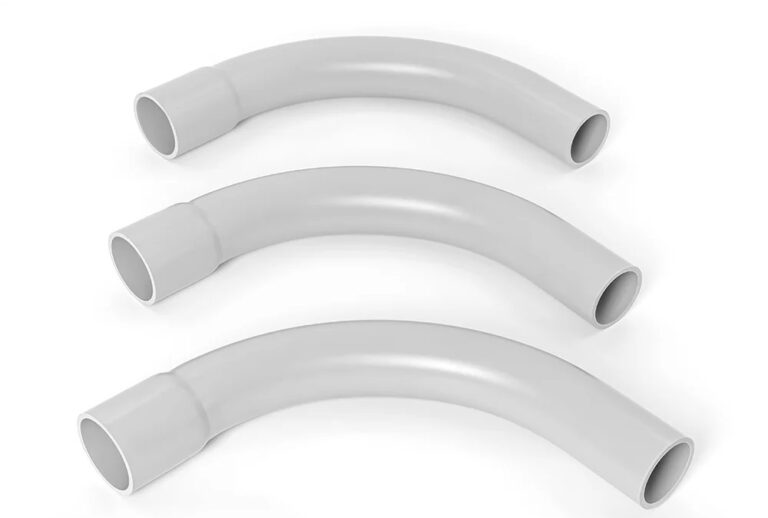
A PVC bend is a type of pipe fitting used to change the direction of water flow within a piping system. Unlike straight pipes, bends allow pipelines to navigate around obstacles, walls, and corners without interrupting the flow.
If you’re wondering what is PVC bend used for in plumbing systems, the answer is simple: it helps redirect water or waste flow smoothly while maintaining proper pressure and minimizing blockages. PVC bends are commonly used in drainage systems, sewer lines, and water supply pipelines.
PVC Bend Angles and Uses in Plumbing Systems
Understanding PVC bend angles and uses in plumbing systems is important for choosing the right fitting for your project. PVC bends come in different angles, each designed for specific applications:
- 22.5-degree bend: Used for slight directional changes in long pipelines
- 45-degree bend: Ideal for moderate redirection with minimal flow resistance
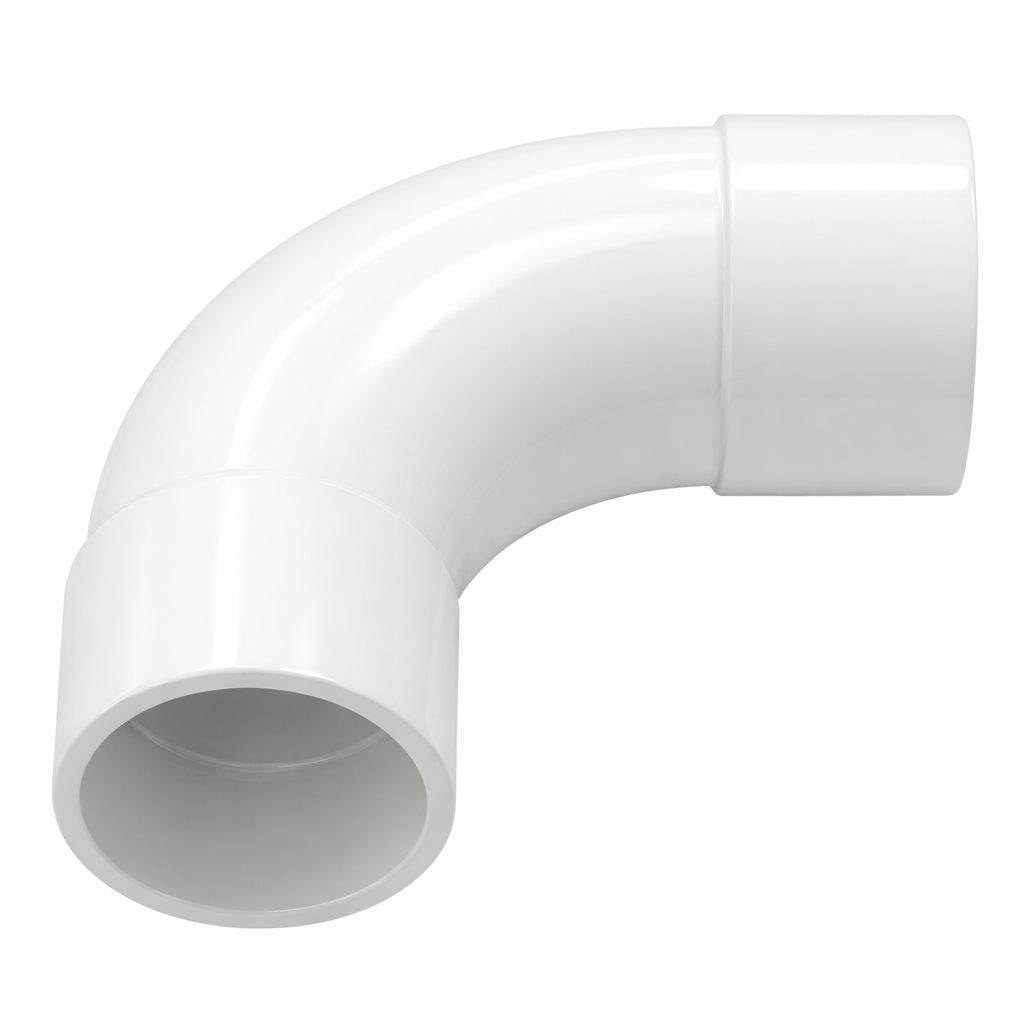
- 90-degree bend: Commonly used for sharp turns in tight spaces
These different PVC bend angles and uses in plumbing systems ensure that water flow remains smooth while reducing pressure loss and preventing clogs.
Types of PVC Bends and Their Applications Explained
There are several types of PVC bends and their applications explained below to help you choose the right one:
Long Radius Bend
This type has a gradual curve, which reduces friction and improves flow efficiency. It is widely used in drainage and sewage systems.
Short Radius Bend
Short radius bends are used where space is limited. However, they create more resistance compared to long radius bends.
Vent Bend
Used in ventilation systems, vent bends help regulate air pressure inside pipes.
Sweep Bend
These bends are designed for underground drainage systems where smooth flow is critical.
Understanding these types of PVC bends and their applications explained helps in selecting the right component for both residential and commercial plumbing systems.
Difference Between PVC Bend and Elbow Fittings
Many people often confuse bends with elbows, but there is a clear difference between PVC bend and elbow fittings.
- PVC Bend: Has a smoother and longer curve, reducing flow resistance
- Elbow Fitting: Typically has a sharper angle, which may create more turbulence
The difference between PVC bend and elbow fittings mainly lies in their design and application. Bends are preferred for drainage systems, while elbows are commonly used in water supply lines where space is limited.
How to Install PVC Bend in Drainage Pipes
Proper installation is essential to ensure durability and leak-free performance. Here is a step-by-step guide on how to install PVC bend in drainage pipes:
Step 1: Measure and Cut the Pipe
Measure the required pipe length and cut it accurately using a pipe cutter.
Step 2: Clean the Edges
Remove any burrs or rough edges to ensure a smooth connection.
Step 3: Apply Primer and Cement
Use a PVC primer followed by solvent cement on both the pipe and the bend fitting.
Step 4: Join the Pipe and Bend
Insert the pipe into the bend and hold it firmly for a few seconds.
Step 5: Allow to Set
Let the joint dry completely before testing the system.
Following these steps on how to install PVC bend in drainage pipes ensures a secure and long-lasting connection.
Why PVC Bends Are Important in Plumbing
PVC bends are not just connectors; they are essential for maintaining system efficiency. Their benefits include:
- Smooth water flow with minimal resistance
- Reduced chances of blockage
- Flexibility in pipeline design
- Cost-effective and durable solution
With proper understanding of PVC bend angles and uses in plumbing systems, you can significantly improve the performance of your plumbing setup.
Final Thoughts
PVC bends are a vital part of any plumbing or drainage system. From understanding what is PVC bend used for in plumbing systems to learning about types of PVC bends and their applications explained, choosing the right bend can make a big difference in system performance.
Additionally, knowing the difference between PVC bend and elbow fittings and following the correct steps on how to install PVC bend in drainage pipes ensures efficiency, durability, and long-term reliability.
Final Thoughts
What is PVC bend used for in plumbing systems?
PVC bends are used to change the direction of water or waste flow in plumbing and drainage systems.
What are the common PVC bend angles?
The most common angles are 22.5°, 45°, and 90°, depending on the required direction change.
What is the difference between PVC bend and elbow fittings?
The difference between PVC bend and elbow fittings is that bends have smoother curves, while elbows have sharper angles.
How to install PVC bend in drainage pipes?
To understand how to install PVC bend in drainage pipes, follow steps like cutting, cleaning, applying cement, and securing the joint properly.
Which type of PVC bend is best for drainage systems?
Long radius or sweep bends are best for drainage systems as they allow smoother flow and reduce clogging risks.