How a PVC Casing and Capping Supplier Helps Protect Exposed Electrical Wires in Buildings
By@seo
Exposed electrical wires can make building interiors look untidy and leave cables vulnerable to accidental contact, abrasion and everyday damage. A suitable cable routing solution helps organise these wires while providing a neat finish along walls and ceilings. A reliable PVC Casing and Capping Supplier helps builders, electricians, contractors and property owners select products suited to their wiring layouts and installation requirements.
PVC casing and capping consists of a channel and a matching cover that enclose electrical wires routed along suitable surfaces. When correctly selected and installed, this system supports organised cable management and helps reduce exposure to certain forms of physical damage. Understanding its applications, limitations and selection criteria makes it easier to plan practical wiring installations in residential, commercial and other buildings.
What Is PVC Casing and Capping?
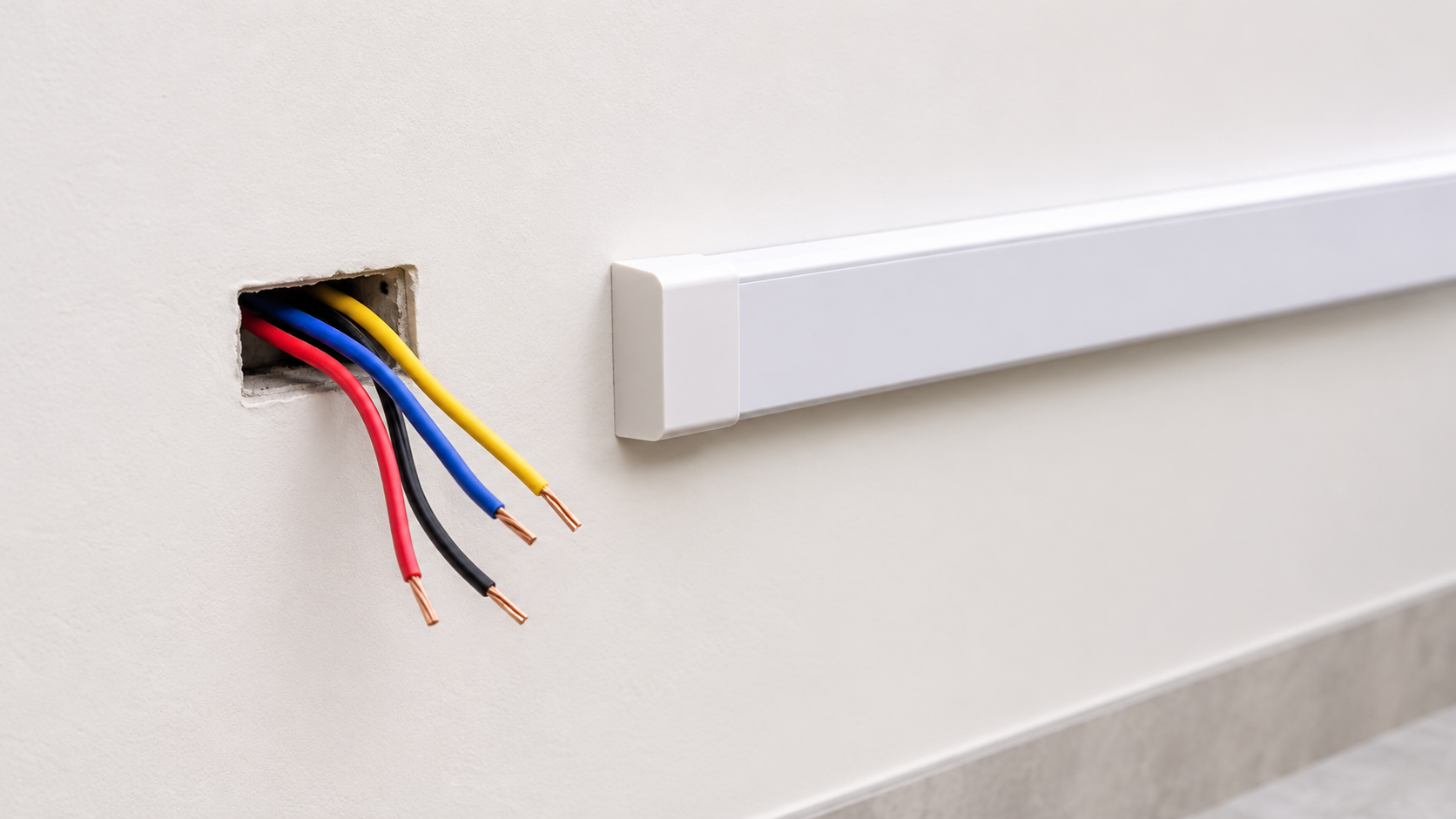
PVC casing and capping is a surface-mounted cable management solution made from polyvinyl chloride (PVC). The casing forms a channel that holds routed wires, while the capping fits over it to enclose the cables. The system is commonly considered for installations where concealed wiring is impractical, unsuitable or not part of the existing building design. Typical applications include:- Residential rooms and corridors
- Offices and commercial interiors
- Shops and small business premises
- Renovation and retrofit projects
- Suitable low-complexity surface wiring layouts
How a PVC Casing and Capping Supplier Helps Protect Electrical Wires
A dependable supplier helps customers choose appropriately sized channels, compatible covers and suitable accessories for the intended wiring layout. This reduces the risk of selecting products that are too narrow, difficult to fit or unsuitable for the installation environment. The supplier’s role includes several practical considerations:- Product selection: Recommending suitable dimensions based on cable quantity and layout.
- Cover fit: Ensuring the cover overlaps and secures properly to the casing.
- Material quality: Helping buyers assess finish, rigidity, consistency and applicable product specifications.
- Accessory availability: Providing compatible bends, joints, tees and end fittings where required.
- Installation guidance: Helping customers understand product requirements without replacing professional electrical installation.
Five Ways PVC Casing and Capping Helps Protect Wires
A properly selected and installed system provides several practical benefits.1. Reduces exposure to physical damage
The casing and cover create a barrier between enclosed cables and everyday contact. This can reduce the likelihood of accidental snagging, rubbing or minor impacts damaging the cable insulation. However, PVC casing and capping is not a substitute for appropriate electrical insulation, protective devices or specialised protection in high-impact areas.2. Keeps wiring organised
A surface cable management system provides a defined route for electrical wires. Instead of cables hanging loosely or crossing walls without organisation, they can follow planned horizontal and vertical paths. This arrangement also helps electricians identify cable routes during inspection and maintenance.3. Improves the appearance of interiors
Exposed wiring can make walls, ceilings and work areas appear cluttered. Enclosing suitable cables in a matching channel creates a cleaner finish, particularly in offices, shops and renovated homes where concealed wiring is impractical.4. Supports maintenance and future changes
Accessible casing and capping can make it easier for a qualified electrician to inspect or modify a suitable surface-wiring installation. Removable covers may provide access without opening walls, although the circuit must be made safe before work begins.5. Helps protect cables from everyday interference
A correctly fitted PVC cable protection channel helps keep wires away from routine handling and incidental contact. Its effectiveness depends on secure mounting, suitable product dimensions and correct installation. It does not make wiring waterproof, fireproof or safe for every environment.What Should You Check When Choosing a Supplier?
Choosing a PVC Casing and Capping Supplier involves more than comparing prices. Product compatibility, documented specifications and installation requirements should guide the decision. Consider these five factors:- Correct dimensions: Select a channel that accommodates the intended cables without overcrowding. Allow for the required cable arrangement and any applicable separation rules.
- Consistent construction: Check for uneven surfaces, deformation, cracks, rough edges and poorly fitting covers.
- Secure locking: The cover should fit the casing properly and remain in place under normal operating conditions.
- Compatible accessories: Confirm that bends, tees, joints and end fittings match the selected profile and dimensions.
- Quality and compliance documentation: Ask for applicable test reports, product markings and certification details. Verify these against the relevant requirements rather than relying solely on verbal assurances.
Why Material Quality and Correct Installation Matter
Even a suitable product may perform poorly when installed incorrectly. The channel must be securely supported, the cover fitted correctly and cable routes planned to avoid sharp edges and unsuitable environmental conditions. The Central Public Works Department’s General Specifications for Electrical Works discusses requirements for trunking installation, including secure fixing, suitable accessories and properly fitted covers. Refer to the applicable specification and current project requirements when planning an installation. Practical installation considerations include:- Measure the cable route before selecting channel lengths.
- Choose a suitable casing size for the number and type of cables.
- Plan bends, junctions and terminations using compatible accessories.
- Secure the casing to an appropriate surface using suitable fixings.
- Remove sharp edges after cutting and ensure covers fit correctly.
- Have a qualified electrician check the completed installation.
Where Is Electrical Casing and Capping Most Useful?
Electrical casing and capping is often useful where surface-mounted wiring offers practical access and a neat finish.- Homes: Suitable extensions, room renovations and additional wiring routes.
- Offices: Organised routes along walls and other appropriate surfaces.
- Retail spaces: Wiring arrangements for lighting, displays and designated equipment.
- Renovation projects: Situations where cutting into finished walls would be impractical.
How to Compare PVC Casing Suppliers in India
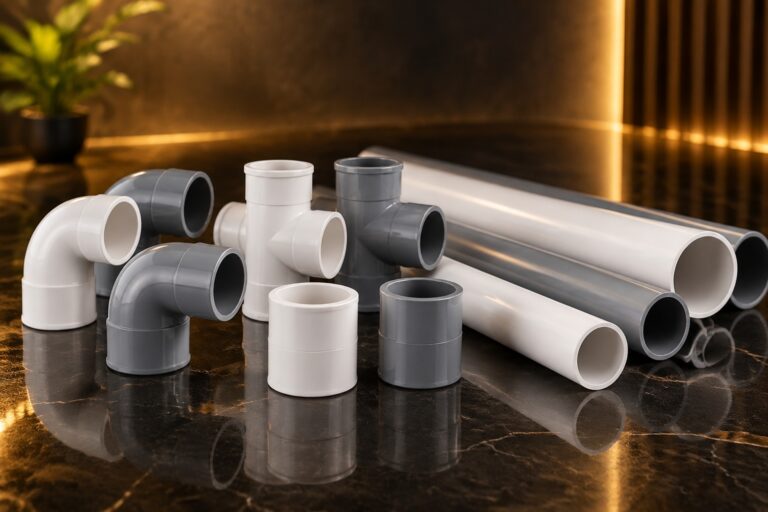
When evaluating a PVC casing supplier in India, compare product specifications, available sizes, supply consistency and documentation. A low purchase price should not outweigh concerns about poor fit, inconsistent dimensions or missing compliance information. Similarly, a PVC capping supplier in India should offer covers compatible with the selected casing and explain how the locking arrangement works. Before placing a bulk order, confirm the required quantities, lengths, accessories, delivery schedule and replacement process. For building contractors and electrical distributors, consistent product availability can help coordinate installations across multiple rooms or sites. When sourcing from PVC water pipe manufacturers, it is also important to verify product quality, specifications and technical details to ensure the selected products meet the project’s applicable requirements. Request product samples or technical information when necessary before finalizing the supplier.Common Mistakes to Avoid
Avoid these mistakes when planning a surface-wiring installation:- Choosing a channel that is too small: Crowded cables can complicate installation, inspection and future maintenance.
- Ignoring cover compatibility: A poorly fitted cover may loosen or leave sections of wiring exposed.
- Using unsuitable locations: Standard PVC casing and capping should not be assumed suitable for damp, hot or hazardous environments.
- Leaving rough cut edges: Unfinished edges may damage cable insulation.
- Treating the channel as complete electrical protection: Correct wiring, earthing, circuit protection and professional installation remain essential.