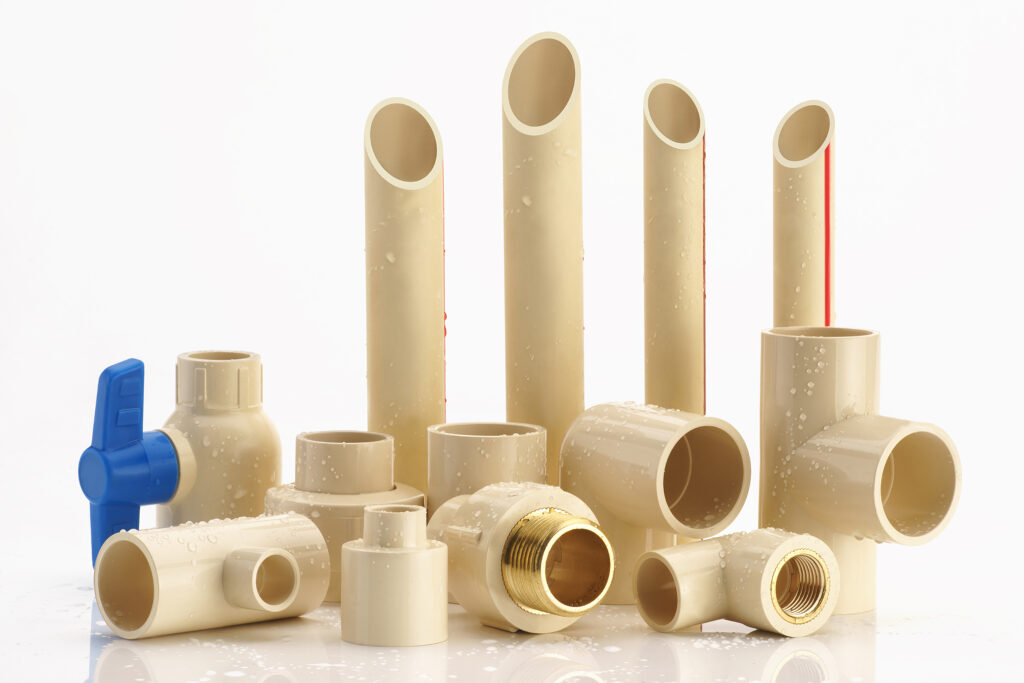
Austro Pipes: Hyderabad’s ISO-Certified PVC Pipe Manufacturer – A Complete Brand Guide
If you have spent any time around plumbing or irrigation work in Telangana, you have probably come across Austro Pipes on a dealer’s shelf or a contractor’s material list. The brand shows up in residential plumbing, agricultural borewell lines, drainage systems, and concealed electrical wiring. But what exactly does the company make, how is its quality verified, and how do you pick the right product from its range? This guide walks through the brand, its product categories, its certifications, and the practical points that matter before you buy.
Brand Overview: Who Makes Austro Pipes?
Austro Pipes is manufactured by Austro Plastic Industries LLP, a company that started operations in 2016 with its manufacturing facility in Hyderabad, Telangana. According to the company’s own information, it is an ISO 9001:2015 certified company, and it supplies dealers, contractors, distributors, and project buyers across residential, commercial, agricultural, and industrial segments.
The brand works largely through a dealer and distributor network, a common structure among organised pipe manufacturers in India. For a buyer, that means the local dealer is usually the first stop for pricing and availability, while project buyers and bulk enquiries can also approach the company directly through the quote route on its website.
The Product Range at a Glance
Austro’s catalogue covers the main piping categories a contractor or homeowner is likely to need:
- CPVC pipes and fittings for hot and cold water plumbing. According to the company’s product page, these can withstand temperatures up to 200°F (93°C), which is what makes them suitable for bathrooms, kitchens, geyser lines, and commercial hot-water systems.
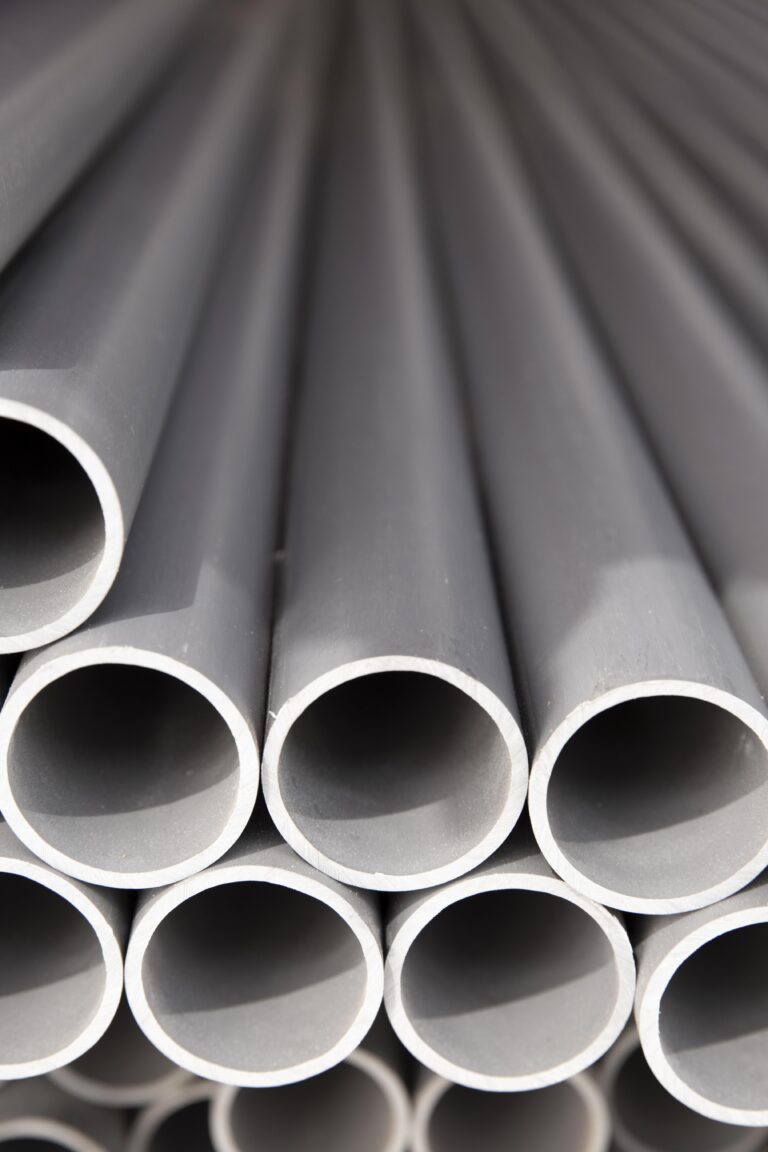
- uPVC pipes and fittings for cold-water supply, plumbing, and irrigation. The company notes that uPVC is not designed for high-temperature applications, which is exactly why the CPVC range exists alongside it.
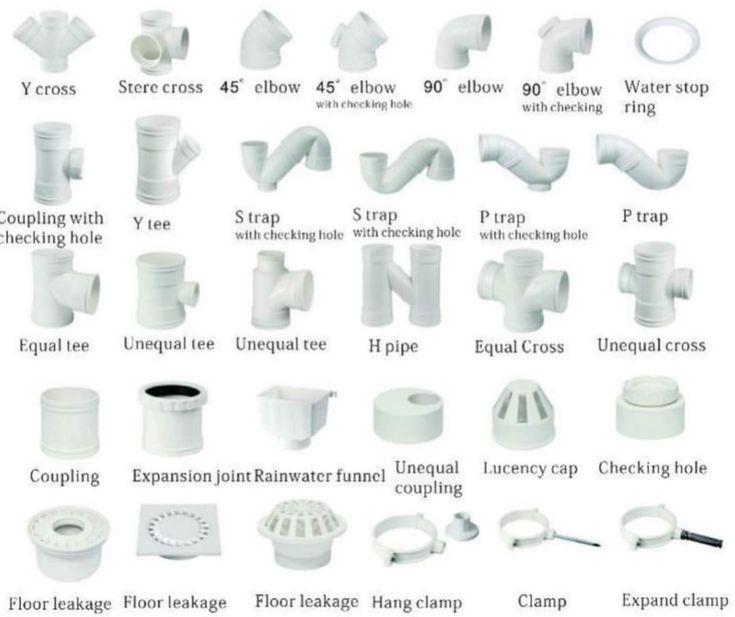
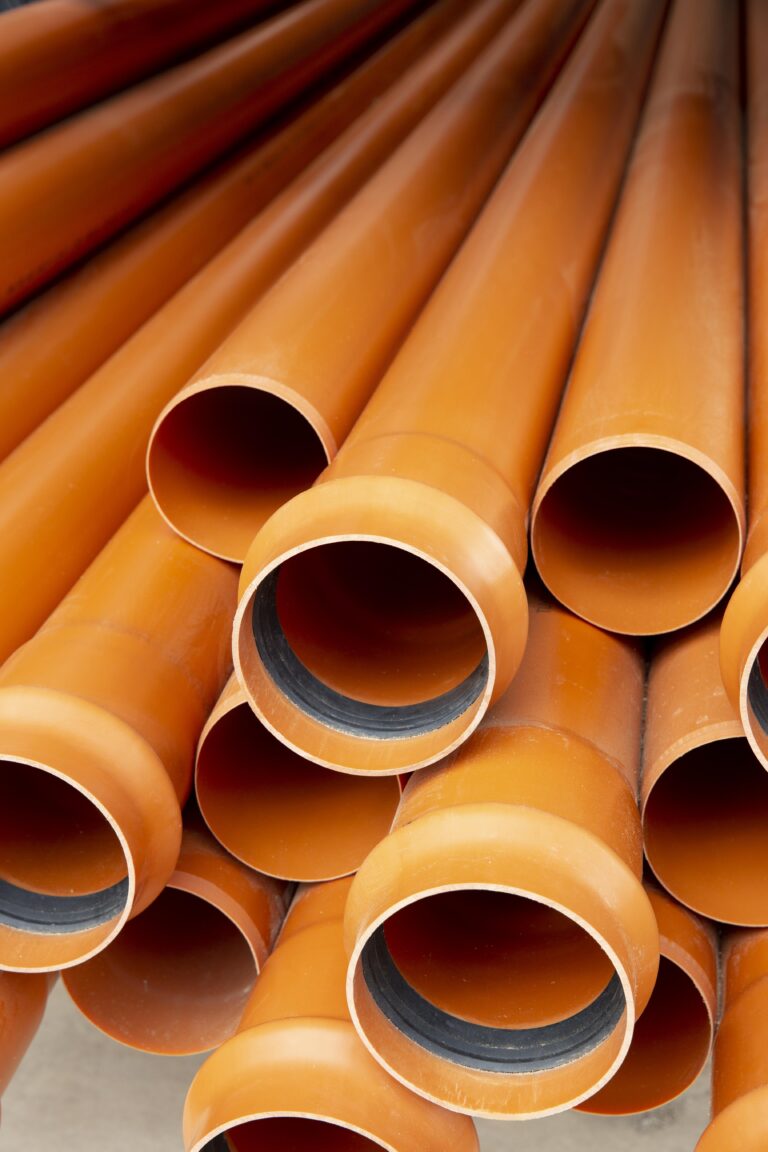
- SWR pipes for soil, waste, and rainwater drainage in buildings, where chemical resistance and leak-proof joints matter more than pressure handling.
- Agricultural pipes for borewell connections, field irrigation, and water conveyance, including rigid PVC options suited to outdoor and buried use.
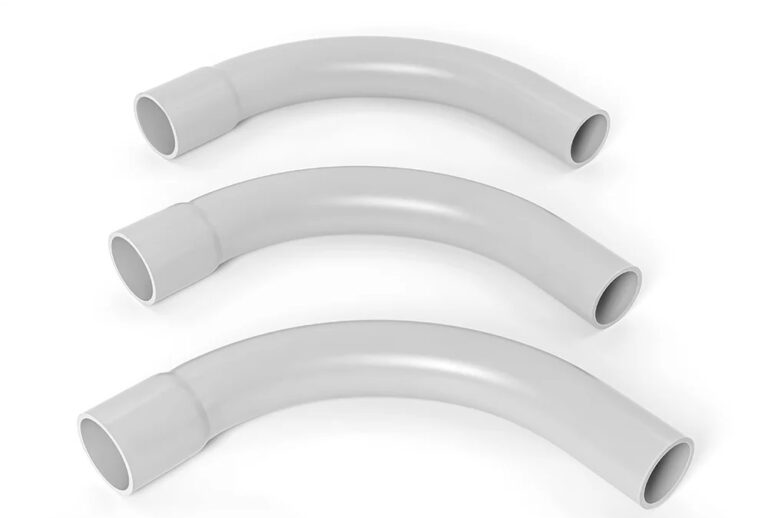
- Electrical conduit pipes for protecting wiring in residential and commercial construction, in both concealed and surface-mounted layouts.
Having these categories under one roof simplifies procurement for contractors who would otherwise juggle multiple suppliers for a single project.
Certifications and Quality Testing
Pipe quality is not a marketing talking point; it is a project safety requirement. Austro Pipes states that it operates an ISO 9001:2015 certified quality management system, and describes its products as ISO and ISI-certified, with an in-house laboratory maintained per ISI standards for batch testing.
For buyers, the practical check is simpler than reading a quality manual: look at the pipe itself. Products that conform to Bureau of Indian Standards specifications carry the ISI mark along with the relevant IS code printed on the pipe. IS 4985 covers unplasticised PVC pipes for potable water supplies, and IS 15778 covers CPVC pipes for hot and cold water distribution. If the marking is on the pipe and matches the product category, you have a verifiable baseline of quality rather than a verbal assurance.
Where Each Product Fits: Applications Across Sectors
In residential construction, the CPVC range handles internal hot and cold supply lines, while SWR pipes manage drainage from bathrooms, kitchens, and rooftops. The electrical conduit range protects wiring inside walls and ceilings, where a damaged cable can mean breaking finished plaster to reach it.
In agriculture, rigid PVC and HDPE-category pipes connect borewells to fields and carry water across plots. Here the priorities shift: resistance to outdoor exposure, the right pressure class for the pump in use, and joints that hold through seasonal temperature swings.
In commercial and light industrial settings, the same categories reappear at larger diameters: CPVC for building-wide hot-water distribution, SWR for multi-floor drainage stacks, and conduit for extensive electrical runs. Project buyers in this segment typically deal directly with the company or its distributors for specifications and supply schedules.
CPVC or uPVC: The Question Buyers Ask Most
The distinction is simpler than the alphabet soup suggests. CPVC is uPVC’s heat-tolerant sibling: the extra chlorination in its formulation lets it carry hot water, which is why the company rates its CPVC range up to 93°C for geysers, bathrooms, and commercial hot-water lines. uPVC, by the company’s own description, is not designed for high-temperature applications; it is the right material for cold-water supply, irrigation, and general plumbing, where it delivers corrosion resistance at a lower material cost.
For a project that includes more than one pipe material, ask the system designer and manufacturer to specify the products and transition fittings. This overview is not an installation specification.
How to Choose the Right Austro Pipe for Your Application
Start from the application, not the catalogue. A short decision path:
- Hot water indoors? Use the CPVC pipes and fittings range, which the company rates up to 93°C.
- Cold-water supply or plumbing? The uPVC pipes and fittings range covers supply lines at a lower material cost, and the company is explicit that uPVC suits cold-water use rather than hot.
- Drainage, soil, waste, or rainwater? The SWR range is built for gravity drainage rather than pressure.
- Borewell or field irrigation? The agricultural pipes range is designed for outdoor conveyance and buried lines; match the pressure class to your pump and layout.
- Wiring protection? The electrical conduit range covers residential and commercial runs.
Before ordering, ask the system designer to specify the diameter and pressure class, and ask the manufacturer to confirm compatible pipes and fittings for that design.
Pricing and the Dealer Network
Like most organised pipe manufacturers, Austro Pipes does not publish fixed per-piece prices on its product pages. Pricing varies with diameter, pressure class, order quantity, and the commercial terms agreed with the regional dealer, so a single national price list would be misleading anyway.
For current rates, the direct route is a quote request through the Get a Quote page, which suits both bulk project enquiries and smaller orders. Retail buyers typically purchase through local dealers, where it is worth asking for the relevant IS-marked product and confirming the batch details on the pipe itself.
Austro’s CPVC Manufacturing Outline
Austro describes CPVC manufacture on its products page as blending resin with additives, extrusion, cooling, sizing, cutting and quality testing. That is the company’s outline of its process, not a description of every pipe or a set of production instructions.
Austro states that it maintains an in-house laboratory per ISI standards. Ask the company for the current documentation relevant to the exact product being ordered; this brand overview does not independently certify a production batch.
Source for the company process description: Austro Pipes products page.
What The ISI Mark Actually Tells You
The ISI mark is issued under the Bureau of Indian Standards product certification scheme. When a pipe carries it alongside an IS code, it means the manufacturer holds a BIS licence to make that product to that standard, and that the product is supposed to conform to the standard’s requirements for dimensions, material, and performance. It is not a lifetime guarantee of an individual length, but it is a verifiable baseline that separates organised manufacturers from unbranded supply.
Two quick checks make the mark useful. First, confirm the IS code matches the product category: IS 4985 for unplasticised PVC pipes for potable water supply, IS 15778 for CPVC pipes for hot and cold water distribution. Second, look for the licence number and batch details printed with the mark. A genuine marking carries both, and the licence can be verified with BIS if a large order justifies the effort.
Buying Guide: Verifying Genuine Products
Sub-standard and counterfeit pipes are a practical concern in any fast-moving market, and the safeguards are straightforward. Check the ISI mark and IS code printed on the pipe exterior, along with the manufacturer’s identification and batch code. Pipes should arrive in the brand’s standard packaging, with markings that are sharp and consistent rather than smudged or hand-applied.
If you are buying through a dealer and want to confirm authorisation, verify the dealer with the company before placing a large order. And for project-scale purchases, keep the batch and invoice documentation: it is the paper trail that matters if a lot ever needs to be traced or replaced.
Fittings and Jointing: The Other Half of the System
Include fittings in the order brief, and ask the manufacturer to confirm the appropriate products for the specified pipe system. A layout and a fittings list give the supplier a clear request to review.
Ask the manufacturer for the installation instructions for the exact pipe, fitting and jointing product. Have the installer confirm compatibility, preparation and testing requirements before work begins. This overview does not prescribe a jointing method or a setting time.
Questions Worth Asking Before You Order
Whether you buy from a dealer or directly for a project, a short checklist keeps surprises out of the purchase:
- Which product category and pressure class does my application actually need?
- Is the pipe ISI-marked, and which IS code is printed on it?
- Are the fittings from the same system as the pipe?
- What is the lead time for my quantity, and how will the material be packed for transport?
- Whom do I contact if a length arrives damaged or a joint fails early?
- Can I get a written quote that lists diameter, class, and quantity line by line?
Dealers who handle the brand regularly answer these quickly. Hesitation or vague answers are themselves useful information.
Common Mistakes Buyers Make
Before accepting a quote, confirm that it identifies the product, size, class and compatible fittings specified for the project. Ask the supplier for the applicable storage and handling instructions, and keep those instructions with the order. If the delivered product differs from the specification, ask the supplier and system designer to resolve the difference before installation.
Frequently Asked Questions
Who manufactures Austro Pipes?
Austro Pipes is manufactured by Austro Plastic Industries LLP, a Hyderabad-based company that began operations in 2016 and describes itself as an ISO 9001:2015 certified company.
What products does Austro Pipes make?
The range covers CPVC pipes for hot and cold water, uPVC pipes for cold-water supply and irrigation, SWR drainage pipes, agricultural pipes, and electrical conduit pipes, along with matching fittings.
Can Austro CPVC pipes be used for hot water?
Yes. According to the company’s CPVC product page, the pipes can withstand temperatures up to 200°F (93°C), making them suitable for hot-water supply lines in homes and commercial buildings.
Does Austro Pipes publish fixed prices?
No. Prices depend on diameter, pressure class, quantity, and dealer terms. Buyers can request current rates through the company’s Get a Quote page or through local dealers.
How do I verify that an Austro pipe is genuine?
Check the ISI mark and IS code printed on the pipe, confirm the manufacturer’s identification and batch code, and buy through authorised dealers whose status you can verify with the company.
Which IS codes apply to these pipes?
IS 4985 applies to unplasticised PVC pipes for potable water supplies, and IS 15778 applies to CPVC pipes for hot and cold water distribution. The relevant code for each product category is printed on the pipe alongside the ISI mark.
How the Buying Process Typically Works
For a homeowner working through a plumber, the process is usually simple: the plumber sizes the requirement, the local dealer supplies the material, and the invoice lists the pipe category, diameter, and length. Your role is to confirm the ISI marking on the delivered pipe and to keep the invoice until the installation has held through its first few weeks of use.
For contractors and project buyers, the process runs through the quote route. You share the schedule of requirements, that is, the categories, diameters, classes, and quantities across the project, and the company responds with pricing and supply terms. Large orders are normally delivered in batches aligned to the construction schedule, so it helps to share the timeline up front rather than ordering everything at once. Batch-wise delivery also keeps on-site storage manageable, which matters because pipe stored badly for months can degrade before installation.
In both cases, documentation is your friend: the quote, the invoice, and the batch codes on the pipe together form the record you would need if any length ever had to be traced or replaced.
Conclusion
Austro Pipes has built its range around the categories that matter most to contractors and homeowners in the region: CPVC and uPVC for supply, SWR for drainage, agricultural pipes for farms, and conduit for wiring. Its ISO 9001:2015 certified quality system, ISI-marked products, and dealer-led distribution follow the pattern of an organised manufacturer rather than a loose trading brand. If you are specifying pipes for a project or a home, start with the application, check the IS marking on the product, and request a quote for current pricing and availability.