PVC-O Pipe Manufacturers in India: Why Orientation Technology Matters in Water Networks
By@seo
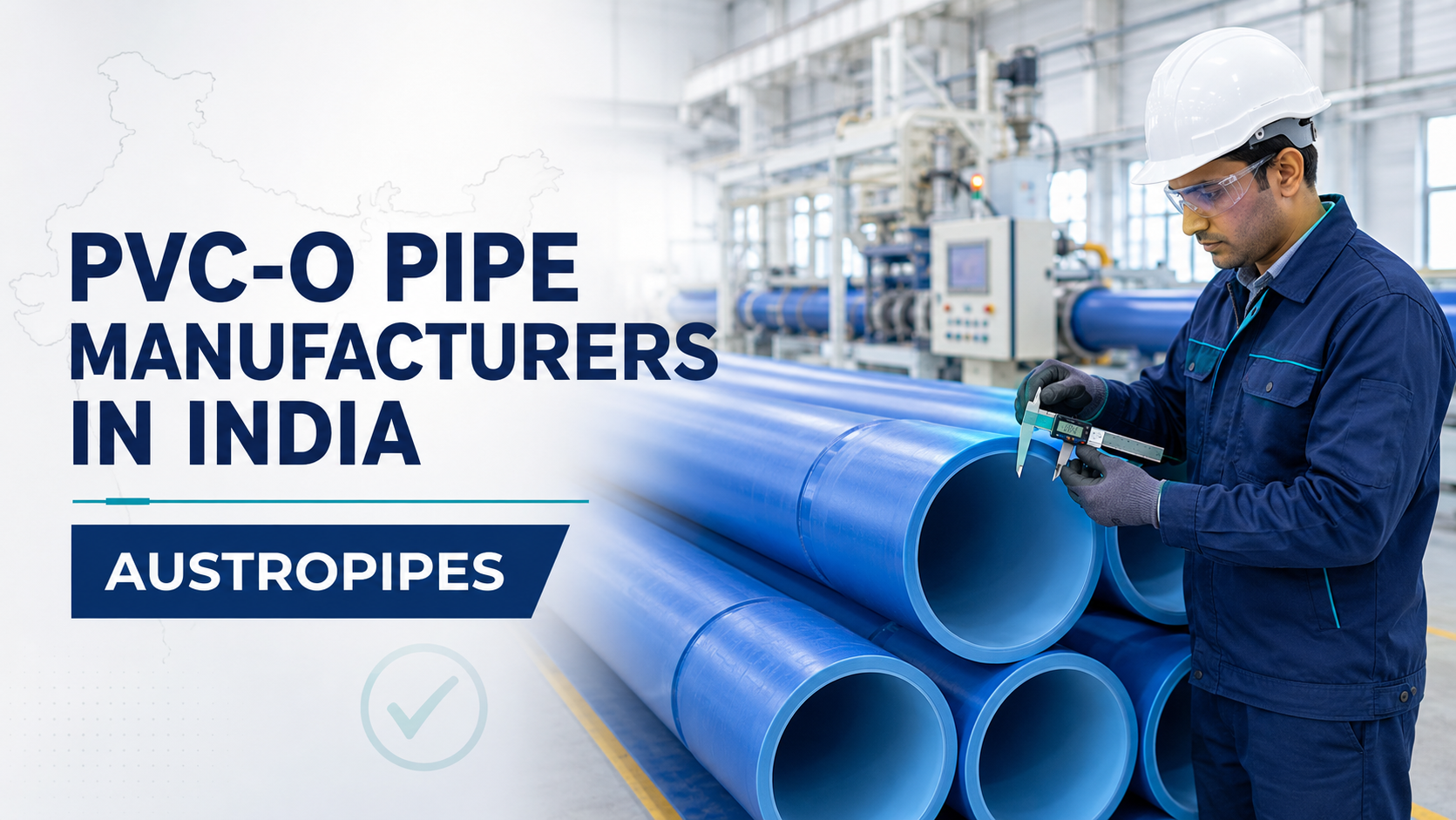
Water distribution networks need pipes that can handle internal pressure, installation stress, ground movement and long operating periods without compromising reliability. This is why PVC-O pipe manufacturers in India are increasingly relevant when engineers and infrastructure planners evaluate modern pressure-pipe systems.
PVC-O, or oriented unplasticized polyvinyl chloride, is produced by modifying the molecular structure of PVC through an orientation process. This technology can improve the material’s mechanical performance while allowing efficient pipe-wall design. The result is a pipe solution suited to applications such as pressurized water supply, irrigation and other pressure-based networks. BIS has published IS 16647:2017 specifically for PVC-O pipes for water supply, while ISO 16422 covers PVC-O piping systems for water under pressure.
For builders, infrastructure contractors, engineers, distributors and property developers, understanding orientation technology makes it easier to compare pipe materials based on performance rather than simply price.
The right option depends on the project’s pressure requirements, installation environment, design specifications, available fittings and applicable standards.
What Is PVC-O Pipe and How Does Orientation Technology Work?
PVC-O pipe is a pressure pipe made from oriented unplasticized PVC. During manufacturing, the polymer structure is deliberately oriented so that the material develops different mechanical characteristics from conventional PVC-U. In simple terms, orientation technology reorganizes the polymer chains in the pipe material. This can improve properties such as strength, toughness and resistance to pressure-related stresses. The manufacturing process generally involves:- Producing a PVC pipe or preform from the base material.
- Heating the material under controlled conditions.
- Applying controlled expansion or stretching.
- Orienting the polymer molecules in the required directions.
- Cooling and stabilizing the pipe.
- Testing dimensions, pressure performance and other required characteristics.
Why Orientation Technology Matters in Water Networks
Orientation technology matters because water networks operate under continuous pressure and may also experience pressure fluctuations, external loads and installation stresses. PVC-O’s oriented molecular structure is designed to provide a combination of mechanical strength and toughness. ISO 16422 identifies PVC-O applications including water mains and services, pressurized sewer systems and irrigation systems. For infrastructure projects, the main advantages can include:- Efficient pressure performance: The material is engineered for pressure applications.
- High toughness: PVC-O can provide resistance to impact and operational stresses.
- Efficient material use: Orientation can improve mechanical performance without simply relying on thicker walls.
- Hydraulic efficiency: Smooth internal surfaces can support efficient water flow.
- Corrosion resistance: PVC-O does not rust like conventional metallic pipe materials.
- Long-term network suitability: Properly specified and installed systems can support long service applications.
How Do PVC-O Pipes Compare With Conventional PVC Pipes?
PVC-O is not simply another name for conventional PVC-U. The key difference is the additional molecular orientation process used to modify the pipe material’s structure.| Factor | Conventional PVC-U | PVC-O |
| Material | Unplasticized PVC | Oriented unplasticized PVC |
| Manufacturing | Extrusion-based pipe production | Extrusion plus controlled orientation |
| Molecular structure | Relatively unoriented | Deliberately oriented |
| Main application | Water, drainage and other piping uses | Pressure water, irrigation and related applications |
| Performance focus | General pipe requirements | Enhanced mechanical performance through orientation |
| Selection priority | Class, dimensions and application | Orientation, pressure class, dimensions and standards |
What Are the Main Benefits of PVC-O Pipes?
For water infrastructure, the benefits of PVC-O go beyond the pipe material itself. The complete system—including joints, fittings, installation and operating conditions—determines practical performance.1. High Strength-to-Weight Potential
One important reason engineers consider PVC-O is its ability to combine mechanical performance with efficient wall design. This can help reduce material requirements compared with solutions that depend primarily on greater wall thickness. However, pipe selection should always be based on the specified pressure class and applicable technical requirements rather than wall thickness alone.2. Resistance to Impact and Handling Stresses
Water pipes are exposed to handling, transportation and installation stresses before they become part of an operating network. Toughness is therefore an important consideration. PVC-O systems are designed to provide useful impact resistance, which can be valuable during transportation and installation when the pipe is handled according to manufacturer instructions.3. Resistance to Corrosion
Unlike metallic pipes, PVC-O does not undergo conventional metallic rusting. This can be useful in water networks where soil or water conditions could create corrosion concerns for metal piping. That does not mean PVC-O is immune to every environmental or chemical issue. Compatibility with the application and installation conditions should still be evaluated.4. Suitable for Pressurized Water Applications
PVC-O is specifically standardized for pressure-based water applications. BIS’s IS 16647:2017 covers PVC-O pipes for water supply, including specified size and material classifications. This makes compliance and documentation particularly important when selecting PVC-O pipe manufacturers in India for infrastructure projects.What Should You Check Before Choosing PVC-O Pipe?
Choosing a supplier should involve more than comparing quotations. Project teams should check the pipe’s technical documentation, standard compliance and suitability for the intended network. Consider these factors:Pressure Rating
Confirm the required working pressure and design conditions. The pipe class should match the hydraulic design of the network.Pipe Diameter and Dimensions
Verify outside diameter, wall dimensions, length and socket or joint configuration against the project specification.Applicable Standards
For Indian water-supply projects, check whether the product is manufactured and tested according to the applicable Indian Standard. BIS identifies IS 16647:2017 as the standard for PVC-O pipes for water supply. International projects may also reference the ISO 16422 series. The 2024 ISO standard includes separate parts covering pipes and system fitness for purpose.Testing and Quality Documentation
Ask for relevant test reports and product documentation covering dimensions, hydrostatic pressure performance, ring stiffness, impact resistance and other applicable characteristics. BIS laboratory information for IS 16647 includes testing areas such as hydrostatic pressure, ring stiffness and orientation factor.Jointing System
The pipe is only one part of the network. Check socket design, elastomeric seals, fittings and joint performance so the complete system meets project requirements.Where Are PVC-O Pipes Used?
PVC-O pipes can be considered for several pressure-based applications, depending on the product specification and project requirements. Common applications include:- Municipal water-supply networks
- Rural and urban water distribution
- Irrigation systems
- Pressurized water mains
- Infrastructure development projects
- Certain pressurized sewer and treated-wastewater applications
Common Mistakes When Buying PVC-O Pipes
Even technically advanced pipes can unde rperform if the wrong product or installation method is selected. Avoid these mistakes:- Choosing only by price: A lower quotation may not represent the lowest lifecycle cost.
- Ignoring pressure class: Pipe pressure rating must match the network design.
- Skipping documentation: Verify relevant test reports and compliance information.
- Overlooking joints: Leakage can occur at poorly selected or installed joints.
- Ignoring installation conditions: Bedding, trench preparation, handling and backfilling affect pipe performance.
- Comparing different pipe classes directly: Always compare products with equivalent technical requirements.
How Can Builders and Engineers Select the Right Supplier?
When comparing PVC-O pipe manufacturers, create a technical checklist before requesting quotations. Check:- Applicable Indian or international standards
- Available diameters and pressure classes
- Product technical datasheets
- Quality-control and testing procedures
- Joint and fitting compatibility
- Manufacturing consistency
- Installation guidance
- Supply capacity for the project
- After-sales technical support
- Documentation required for project approval