CPVC Pipes and Fittings: A Practical Buyer’s Guide
CPVC (chlorinated PVC) pipes are used for hot and cold water lines in homes and buildings. Choosing the right pipe also means choosing the right fittings, solvent cement and installation method. This guide explains the common CPVC fittings, how pipe sizing works, how to join pipes correctly, and the mistakes that most often lead to leaks.
Types of CPVC Fittings: Elbows, Tees, Couplers, Reducers, Valves, Brass Fittings
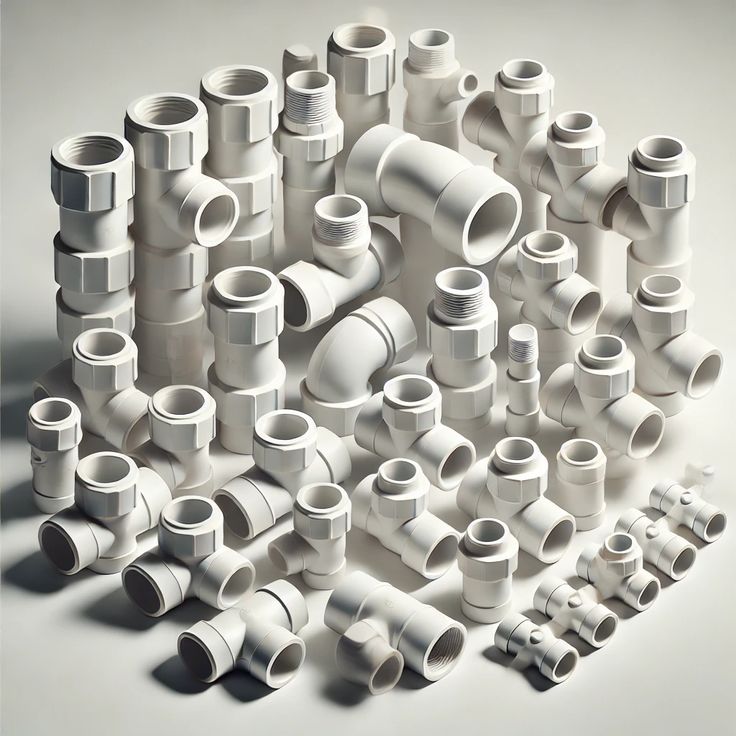
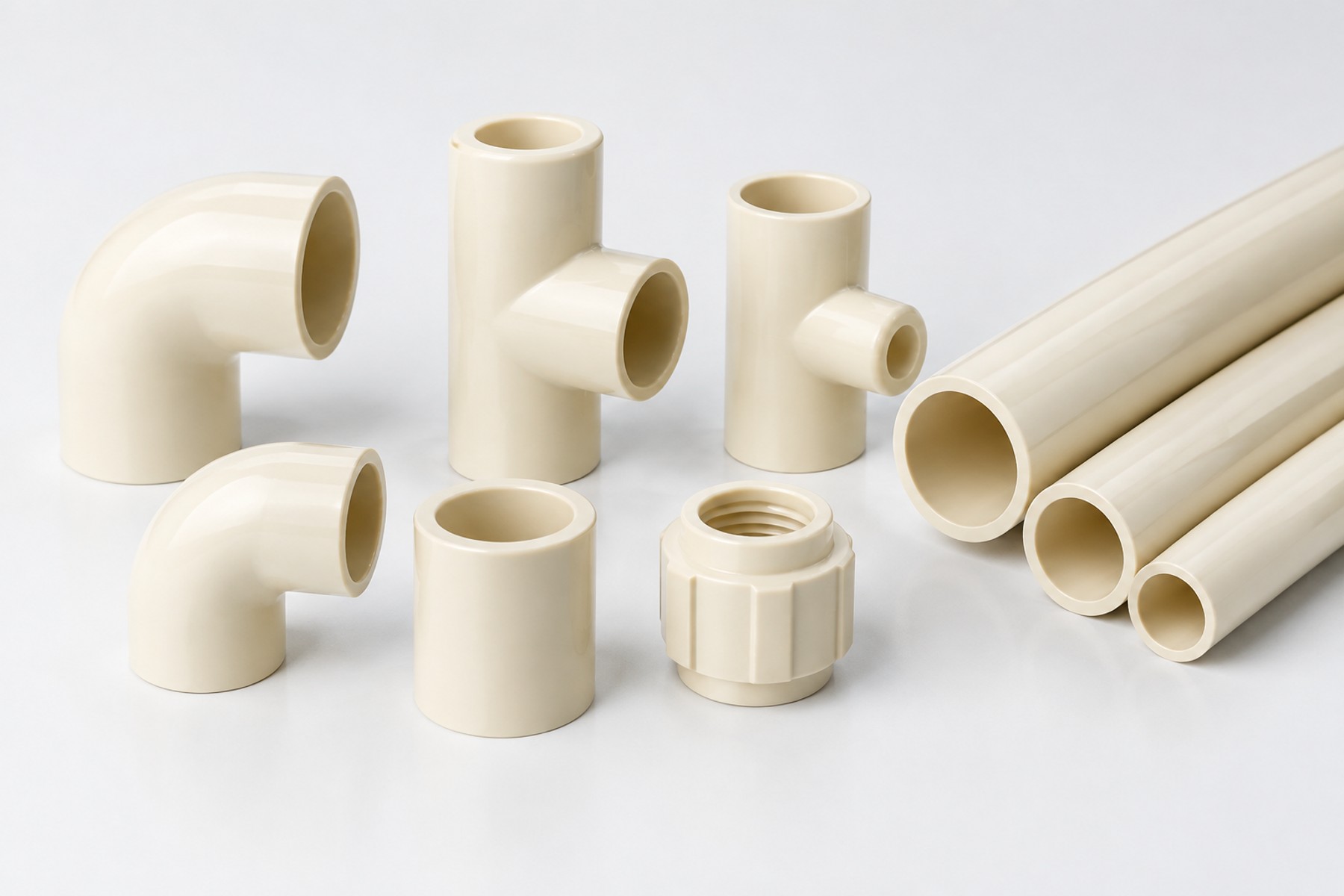
A complete CPVC plumbing system requires multiple fitting types to route water through walls, floors, and ceilings. Elbows (in 90° and 45° configurations) change direction at corners and junctions. Tees and cross fittings create branch connections where supply lines split into two or four directions. Couplers (or sockets) join two pipes of the same diameter in a straight run. Reducers transition between different pipe diameters—stepping down from a 1″ main to a ¾” branch, for instance. End caps terminate unused pipe runs, while unions allow sections to be disconnected for maintenance without cutting. Every fitting is joined using solvent cement, creating a solvent-welded joint once it has fully cured as per the cement manufacturer’s instructions.
For fixture connections, brass female threaded adapters (FTA) and male threaded adapters (MTA) bridge CPVC pipes to metal taps, geysers, and valves—featuring a CPVC body with embedded brass threads to prevent galvanic corrosion. CPVC ball valves provide isolation and flow control at critical system points. When selecting fittings, always verify they match your pipe’s SDR rating and conform to the same IS or ASTM standard. Mixing fittings from different manufacturers or different standards is one of the most common causes of joint failure in residential installations. A comprehensive CPVC Pipe Fittings Range from a single manufacturer ensures dimensional compatibility and pressure integrity throughout the system.
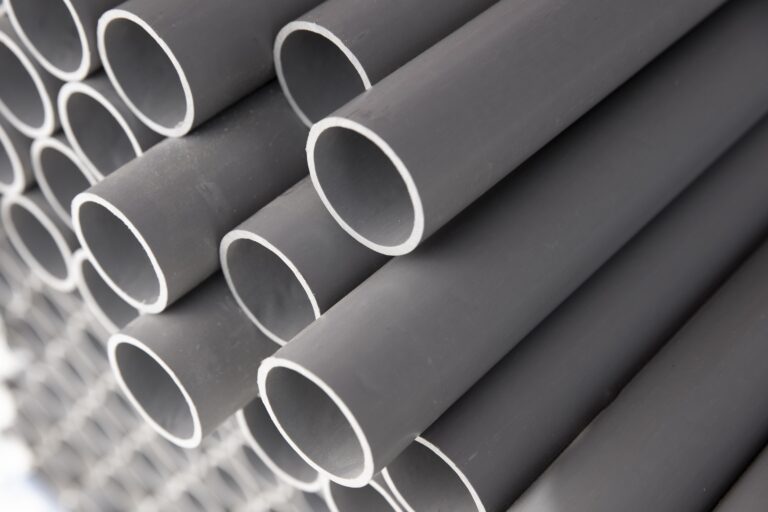
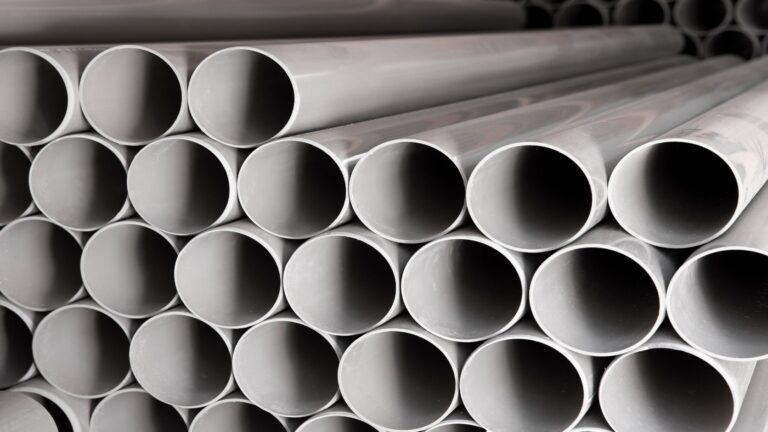
CPVC pipes in India are manufactured under two sizing standards: Copper Tube Size (CTS) and Iron Pipe Size (IPS). CTS sizing, standardized under ASTM D2846, measures pipes by outside diameter and dominates residential plumbing—available in ½”, ¾”, 1″, 1¼”, 1½”, and 2″ nominal sizes. IPS sizing, per ASTM F441 (Schedules 40 and 80), uses nominal bore measurement and is preferred for commercial and industrial applications requiring higher pressure ratings. The SDR (Standard Dimension Ratio)—outer diameter divided by wall thickness—determines pressure capacity: SDR-11 pipes have thicker walls and higher ratings than SDR-13.5, making SDR-11 the default choice for multi-story residential buildings and main supply risers.
| Parameter | CPVC | uPVC | PPR | GI |
|---|---|---|---|---|
| Joining method | Solvent cement | Solvent cement | Fusion welding | Threading/welding |
| Corrosion resistance | Excellent | Excellent | Excellent | Poor |
| Installation skill | Low | Low | High | Medium-high |
Step-by-Step CPVC Installation & Solvent Cement Joining Guide
CPVC installation is simpler than copper or GI plumbing because it uses solvent cement rather than soldering, welding, or threading. Step 1: Measure and mark pipe lengths accurately, then cut using a fine-tooth hacksaw or ratchet pipe cutter—avoid tools that create rough or angled cuts. Step 2: Chamfer the pipe end as the manufacturer advises, using a file or chamfering tool, and remove all burrs. Step 3: Clean the pipe exterior and fitting interior with CPVC cleaner or a dry lint-free cloth. Step 4: Apply primer if required by the cement manufacturer. Step 5: Apply CPVC solvent cement generously to the pipe end and sparingly to the fitting socket. Step 6: Insert the pipe into the fitting with a quarter-turn twist and hold firmly for the time the cement manufacturer advises, to prevent push-back.
Curing time varies with pipe size, temperature and the cement used. Follow the solvent cement manufacturer’s instructions for handling time and for when the line can be pressure tested.
Common CPVC Mistakes, Maintenance & Lifespan in Indian Conditions
Even quality CPVC pipes will fail prematurely if installed incorrectly. The most common mistake in Indian construction is using PVC solvent cement instead of CPVC-specific cement—these are chemically different products and PVC cement creates weak joints that eventually crack under pressure. Other frequent errors include: failing to chamfer pipe ends before insertion (causing scrape-back and reduced socket depth), applying cement to wet or dirty surfaces, skipping the quarter-turn twist during assembly, and insufficient cure time before pressure testing. In multi-story buildings, improper support spacing (follow the manufacturer’s guidance on clip intervals) leads to sagging, vibration, and stress on joints. Exposing CPVC to direct sunlight without UV protection is another oversight; the material degrades under sustained UV exposure and should be painted or shielded when installed outdoors.
Frequently Asked Questions (FAQs)
What are CPVC pipes and fittings?
CPVC (Chlorinated Polyvinyl Chloride) pipes and fittings are thermoplastic plumbing components manufactured by chlorinating PVC resin, which increases their heat resistance compared with uPVC. They conform to IS 15778 in India and ASTM D2846 internationally, and are used for residential and commercial hot and cold water distribution systems.
What is the difference between CPVC and uPVC pipes?
The key difference is temperature tolerance. CPVC is designed for hot and cold water service, while uPVC is generally used for cold-water and drainage applications. Always check the manufacturer’s temperature and pressure ratings for the product you choose. Both use solvent-cement joining and resist corrosion.
What temperature can CPVC pipes handle continuously?
CPVC pipes are designed for hot and cold water service. Temperature and pressure ratings depend on the product and pipe class, so check the manufacturer’s rated values before choosing pipes for geyser and water-heater lines.
What size CPVC pipes are used in Indian homes?
Indian residential plumbing typically uses ½” (15mm) CPVC pipes for individual fixture connections, ¾” (22mm) for branch distribution lines, and 1″ (25mm) for main risers and supply headers. Larger sizes like 1½” and 2″ are used for multi-story building risers and commercial applications.
What solvent cement should I use for CPVC pipes?
Always use CPVC-specific solvent cement—never PVC cement, as the two are chemically incompatible and PVC cement creates weak joints on CPVC that will crack under pressure. Apply CPVC cement generously to the pipe end and sparingly to the fitting socket, then insert with a quarter-turn twist. Follow the cement manufacturer’s instructions for curing time before handling and testing.
For product details and enquiries, you can contact Austro Pipes through the website, austropipes.com. Always confirm specifications for your own project with a qualified plumber, electrician or engineer before you buy or install.