UPVC Pipes and Fittings: Types, Uses and What to Check Before You Buy
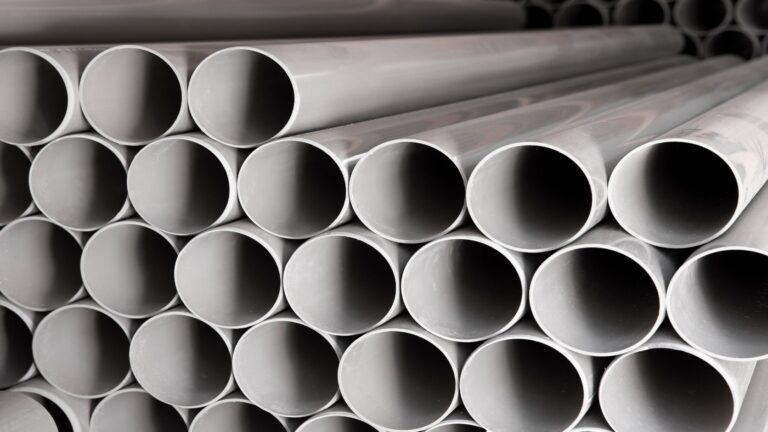
UPVC pipes and fittings are used in many homes, farms and buildings for cold water supply, drainage and irrigation. They are rigid plastic pipes, made without plasticizers, and they are joined to matching fittings to form a complete system. This guide explains what UPVC is, the main fitting types, how UPVC compares with other pipe materials, and what to check before you buy and install.
What Is UPVC?
UPVC stands for unplasticized polyvinyl chloride. It is a rigid form of PVC. Because it is stiff, it keeps its shape under load and is used for lines that carry water at ordinary temperatures. It does not rust like metal pipe, and the inside of the pipe is smooth, which helps water flow. UPVC is normally used for cold water and drainage. It is not meant for hot water lines, where a pipe made for higher temperatures such as CPVC is the usual choice.
Pipes for drinking water should be made to the relevant Indian standard. Check the product markings and ask the supplier for the standard and certification details of the exact product you are buying. Do not rely on a general claim. Confirm it on the product and in the supplier’s documents.
Common UPVC Fittings
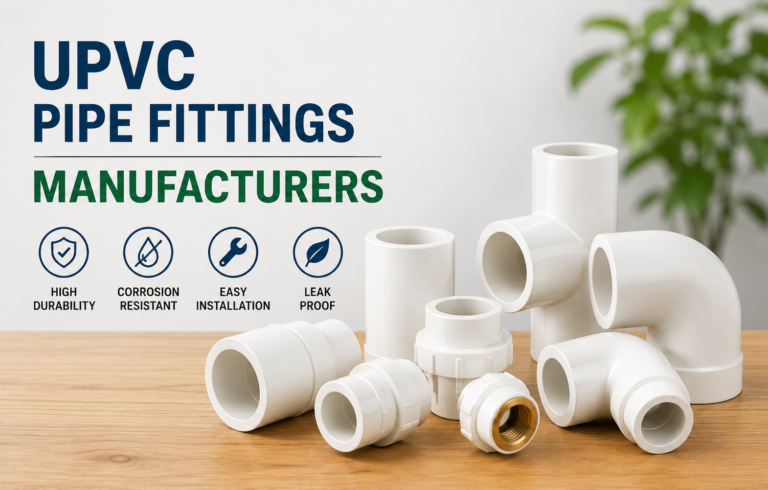
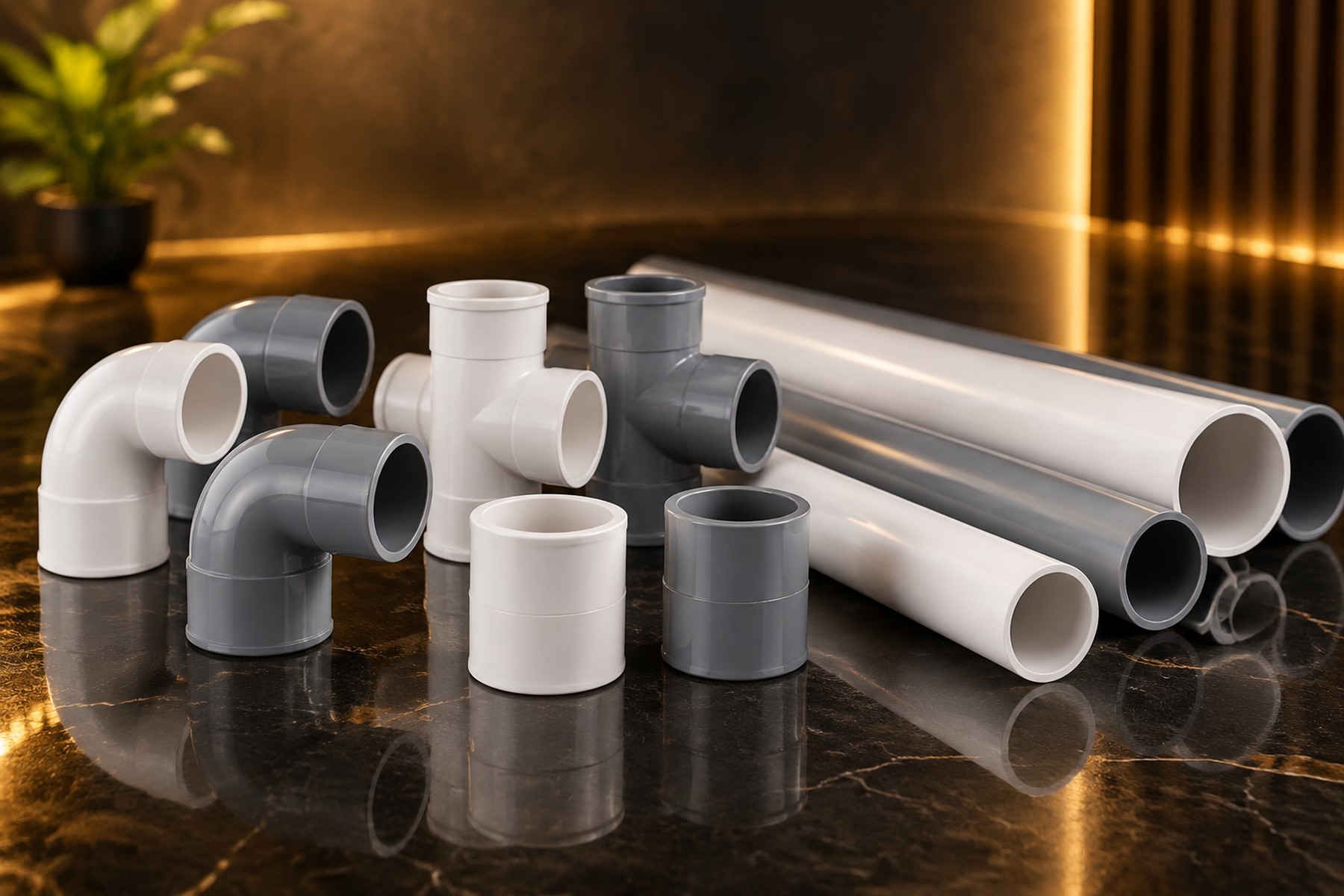
A pipe system is only as good as its joints, so the fittings matter as much as the pipe. The common ones are:
- Elbows to change the direction of a line.
- Tees to branch a line, including reducing tees where the branch is smaller.
- Couplers to join two lengths of the same size.
- Reducers to move from one size to another.
- End caps to close the end of a line.
- Unions where you may need to take a section apart later.
- Threaded adapters to connect to metal taps, valves and fixtures.
For drainage lines, many systems use socket fittings with rubber sealing rings instead of solvent cement. Match the fitting type to the job, and always use fittings made for the same system as the pipe.
Choosing Sizes and Pressure Classes
UPVC pipes come in a range of sizes and in different pressure classes. A small domestic branch line does not need the same pipe as a main line feeding a building or a farm. The right choice depends on how much water you need to move, the pressure in the system, the length of the run and whether the pipe is above or below ground. Ask a plumber or engineer to specify the size and class for your project, and check the exact product details with the manufacturer. Do not choose only on the basis of price per metre.
UPVC Compared With Other Materials
Each pipe material has a job it does well.
- UPVC: cold water supply, drainage and irrigation. Light, corrosion-free and simple to join.
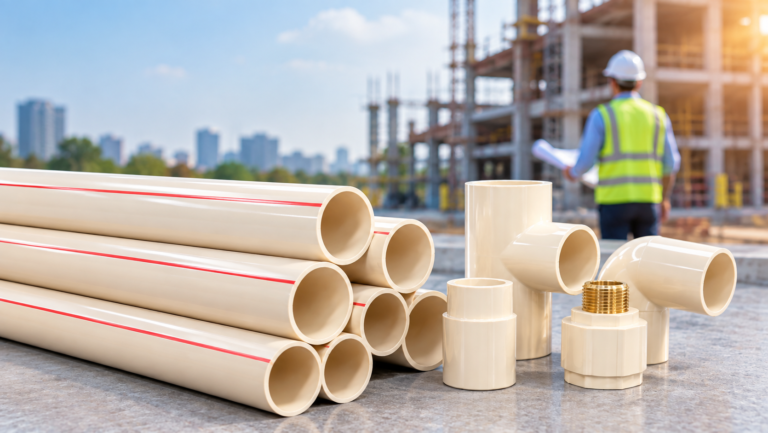
- CPVC: used where hot and cold water share a system, because it is made for higher temperatures.
- PPR: also used for hot and cold water, and joined by heat fusion, which needs special equipment.
- GI (galvanised iron): an older material that can corrode over time, now used less often in new work.
Avoid mixing materials on the same line without advice, because different materials can behave differently as temperatures change.
What to Check Before You Buy
- The product markings and the standard the pipe is made to.
- That the pipe and the fittings come from the same range, so that sizes and tolerances match.
- The pressure class and size you need for the job.
- How the joints are made, and what jointing materials the manufacturer recommends.
- What support the supplier can give if you have a question about your project.
Installation Basics
UPVC pressure lines are usually joined with solvent cement. The general steps are the same everywhere: cut the pipe square, remove burrs, clean the pipe and the fitting, apply the cement as the manufacturer instructs, push the pieces together, and hold them as directed. Then leave the joint to set for the time the cement maker states before the line is used or tested. The cement maker’s instructions decide the details, so follow them rather than a general rule of thumb.
Store pipes flat and out of direct sun until they are used. Support horizontal runs properly so they do not sag. Keep UPVC away from hot-water lines unless the manufacturer says the product is suitable. For underground lines, lay the pipe on a clean, even bed and take care with the backfill so that sharp stones do not press on the pipe.
Common Mistakes
- Pressure testing a line before the joints have had the time the cement maker recommends.
- Using old or expired cement.
- Mixing pipes and fittings from different systems without checking that they fit and suit the application.
- Using UPVC where hot water is expected.
- Leaving pipes in the sun for long periods before installation.
Looking After the System
UPVC needs very little upkeep. There is nothing to paint, and it does not corrode. If water in your area carries a lot of sediment, flushing the ends of lines from time to time can help. If you notice a leak, a pressure drop or discoloured water, ask a plumber to inspect the line.
Where Austro Pipes Fits In
Austro Pipes is a Hyderabad-based pipe manufacturer. If you want product details for UPVC pipes and fittings, or other pipe ranges, you can contact the team through the website, austropipes.com. Always confirm the specifications for your own project with a qualified plumber or engineer before you buy or install.
Frequently Asked Questions
What are UPVC pipes and fittings?
They are rigid plastic pipes and matching fittings used for cold water supply, drainage and irrigation.
Can UPVC be used for hot water?
UPVC is for cold water. For hot water, use a pipe made for it, such as CPVC, and follow the manufacturer’s guidance.
How do I know a pipe is suitable for drinking water?
Check the product markings and the standard it is made to, and ask the supplier for the certification details of that product.
Can I use UPVC pipes outdoors?
Yes, but long exposure to direct sun is not good for plastic pipe. Ask the manufacturer for storage and protection advice, and cover or paint exposed runs as they advise.
Should the pipes and fittings come from the same maker?
It is the safer choice, because sizes and tolerances are designed to match. If you mix, check that the parts fit properly and suit the application.
Who should choose the size and pressure class?
A qualified plumber or engineer, based on your project. The manufacturer can also advise on the products it supplies.