PVC Pipe Machine Explained: Types, Working Process, and Investment Insights
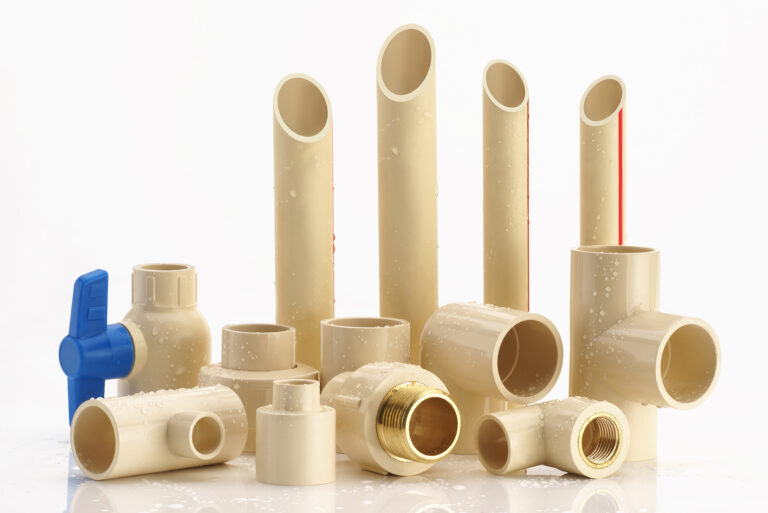
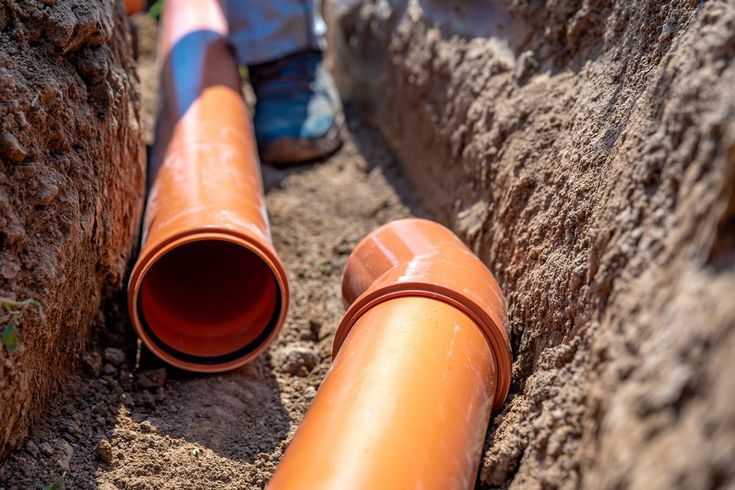
PVC pipes are widely used in irrigation, plumbing, drainage, electrical conduit, and bore well lining purposes You can review different PVC pipes to understand common applications, product types, and usage requirements before planning production. Although they are relatively simple to make, their manufacturing process requires precise heating, sizing, pulling, and cooling.
While choosing the best pvc pipe machine, one should not immediately choose the largest or most expensive machine in the market. The best machine is simply the one that suits your required pipe sizes and production capacities and fits your space and available electricity.
What Makes the best pvc pipe machine Worth Considering?
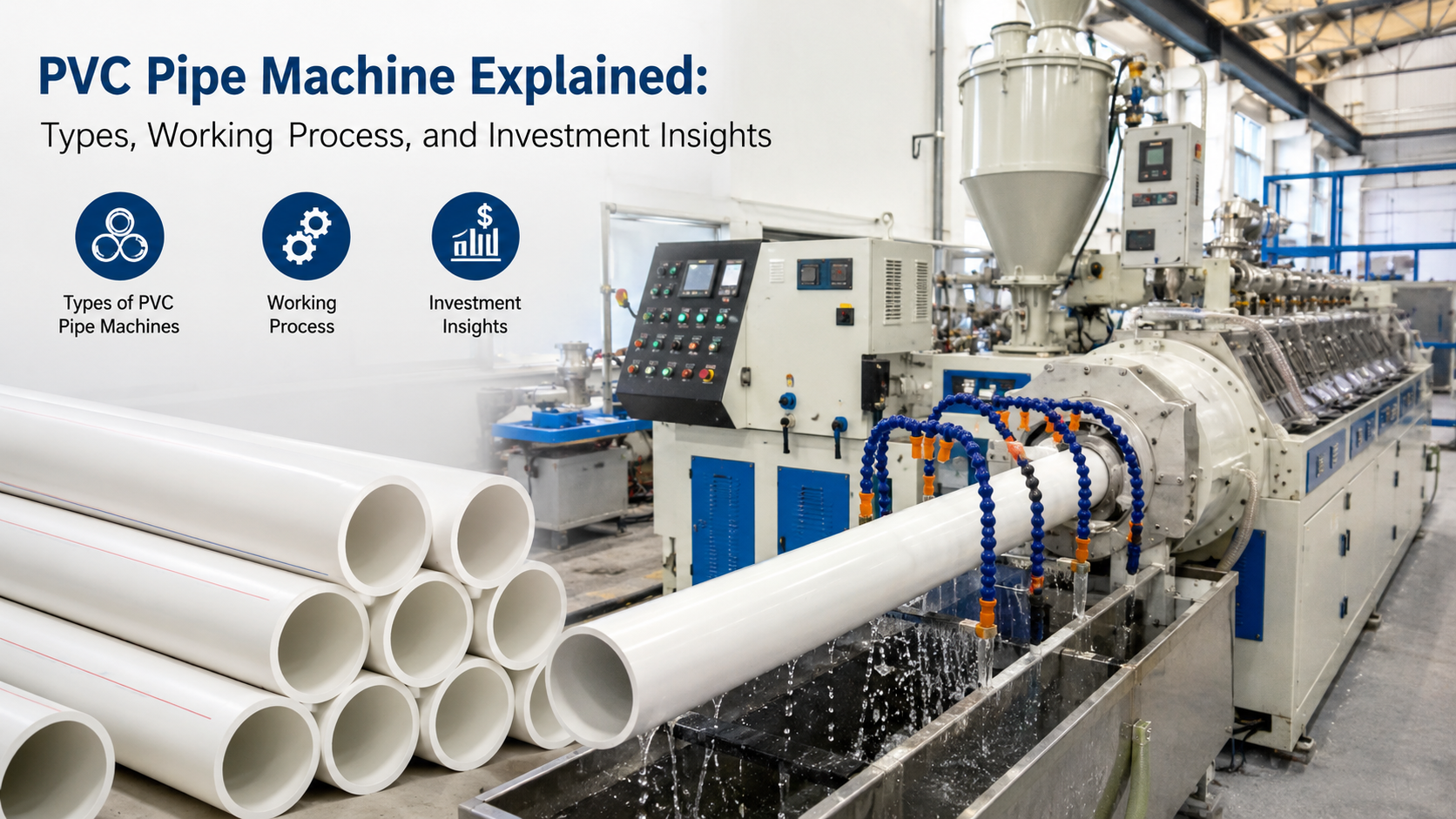
A PVC pipe line usually includes an extruder, die head, vacuum calibration tank, cooling tank, haul-off, cutter, stacker, and control panel.
The best pvc pipe machine should give stable melt flow, consistent wall thickness, smooth surface finish, accurate diameter, and low scrap. To understand the final quality expectations, manufacturers can also read how to identify reliable PVC pipes for long-term performance. Output matters, but so do energy use, spare part support, maintenance access, and operator-friendly controls.
Main Types of PVC Pipe Machines
Single Screw PVC Pipe Machine
Single screw extruders are simpler and easier for new operators to master. These extruders are well suited to particular types of PVC applications, particularly when the material is already compounded and modest output volumes are needed.
However, being a thermosensitive plastic, the extruder requires precision in screw design and temperature management. Overheating will degrade the compound while improper melting will form weak points. The best extruder for PVC pipe manufacture should handle the material carefully while maintaining even die pressure.
Twin Screw PVC Pipe Machine
Twin screw extrusion machinery is highly preferred when dealing with rigid PVC pipe due to its ability to thoroughly mix dry blend material as well as having stable plasticizing.
Conical twin screws fit in where there is moderate output while parallel twin screws are usually preferred when there is high output.
These machines deal with resin, stabilizers, lubricating oil, fillers, coloring matter, and other processing materials.
Specialized and Multi-Layer Lines
Multi-layer pipes, foam core pipes, casing pipes, conduit, and high-output small-diameter pipes may require co-extruders, special dies, or added downstream equipment. Buy enough capability for your market, but avoid features that may sit unused.
How the Production Line Works
A good plastic pipe production setup follows a clear sequence. Each stage affects the next, so a strong extruder cannot fully fix poor cooling, weak pulling, or inaccurate cutting.
Material Mixing and Feeding
PVC resin is mixed with stabilizers, lubricants, fillers, pigments, and various other additives. The mixing must be uniform as any non-uniformity may lead to brittleness, discoloration, marks on surface, or even size variability.
Even a speck of dust or water droplet will show up in the finished pipe product.
Extrusion and Die Forming
The process of pvc extrusion begins when the ready raw material is fed to the hot barrel. In the extruder, the screw transports, compresses, melts, and plasticizes the mixture. The PVC, in a melted form, flows through the die head in a primary shape of a pipe.
During this process, proper heat control must be maintained. Insufficient heating causes unmelted particles to remain inside the pipe, whereas overheating makes the compound weak. An ideal pvc pipe machine ensures smooth melting flow to produce an evenly distributed wall of the pipe.
Calibration, Cooling, and Haul-Off
The hot pipe enters a vacuum calibration tank, where sleeves shape the outer diameter and vacuum pressure helps hold form. It then passes through cooling tanks, where water removes heat gradually.
The haul-off pulls the pipe at a controlled speed. Too fast makes the wall thin; too slow makes it heavy and costly. Skilled operators watch this balance because small setting changes affect profit.
Cutting and Finishing
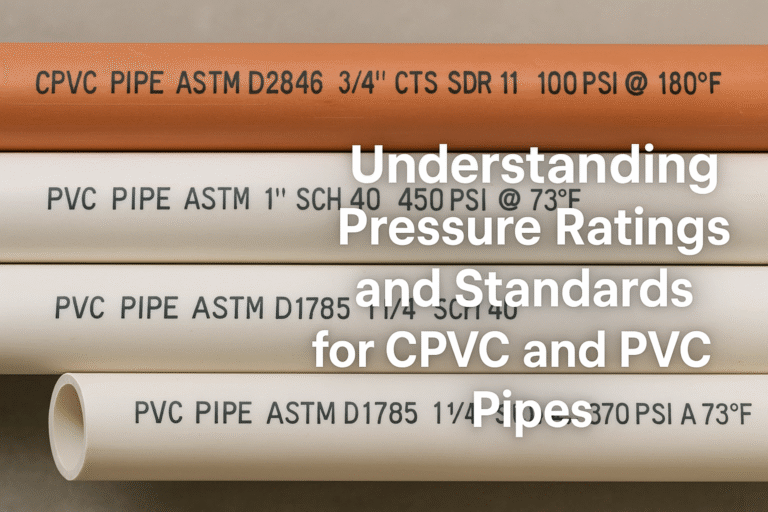
Once cooled, the pipe is cut into fixed lengths with a saw or planetary cutter. Some products also pass through a socketing unit for easier joining. Printing equipment may add size, batch number, pressure rating, and standards.
Rough cuts or unclear printing can make even a measured pipe look unreliable. Good finishing helps the product inspire confidence.
Investment Insights Before Buying the best pvc pipe machine
The purchase price is only part of the investment. A full project may also need mixers, dies, compressor, chiller, water circulation, crusher, testing tools, storage space, installation work, and raw material capital.
Before speaking with suppliers, define your pipe diameter range, wall thickness, expected output, and quality standards. The best pvc pipe machine should fit those numbers rather than force your business around a generic specification. Clear planning prevents overspending on capacity you cannot sell yet.
Factory layout also matters. Cooling tanks, long pipe movement, raw material storage, finished goods stacking, and safe walking space all need room. A cramped workshop slows production and creates avoidable safety risks.
Supplier Checks That Save Money Later
Ask for a live trial whenever possible. Watch the line run, check pipe surface, measure wall thickness, review output rate, and notice how the supplier adjusts settings.
Also ask about screw and barrel quality, gearbox brand, motor efficiency, inverter reliability, die change time, and spare parts. Reliable pipe manufacturing machines should include installation help, operator training, troubleshooting support, and clear maintenance documents. If you are comparing suppliers, this guide on selecting PVC pipe manufacturers in Delhi can help you understand important quality and service checks.
Local service strength is often underestimated. A cheaper line can become expensive if a small breakdown stops production for days. Fast support and available spares protect cash flow.
Operating Costs and Maintenance Habits
The best pvc pipe machine can support strong margins, but profit still depends on disciplined production. Resin prices, filler ratio, power use, labour, scrap recovery, and market pricing all affect final cost.
Scrap deserves attention. Start-up waste, trimming, rejected pipe, and wrong settings quietly reduce returns. Clean internal scrap can often be reused in controlled amounts, but too much recycled content may affect quality. Simple records help owners spot recurring losses.
The best pvc pipe machine will not perform well if preventive care is ignored. Operators should check heaters, gearbox oil, vacuum stability, water pumps, filters, haul-off belts, cutting blades, and calibration sleeves on a routine schedule.
Common Buying Mistakes
Avoid buying only on the lowest price or choosing impressive output without matching sales demand. Idle capacity blocks money, while undersized capacity limits growth.
Some buyers also forget testing equipment. Calipers, weighing scales, pressure testing systems, impact checks, and quality records protect reputation. Customers return to suppliers who deliver consistent pipe, not merely the cheapest product.
Conclusion
When it comes to purchasing a PVC pipe machine, it will make your task easier when you move on from looking at the cost alone. You need a machine that fits your pipes’ sizes, production level, floor area, electrical power, and service requirements. Such a machine must guarantee you consistent extrusion, precise measurement, accurate cutting, and reliable operations for long hours. However, a machine is but one component in the entire manufacturing process. Factors such as quality of the raw material used, skilled personnel operating it, preventative maintenance programs, testing procedures, and proper recording of costs will affect profits. Spend adequate time looking around for suppliers, requesting a trial run, assessing the full line, and asking about services offered afterward.For quality-focused piping solutions and product information, buyers can also explore Austropipes. Moreover, you should always be prudent by increasing your output in tandem with real demand in the market.
Frequently Asked Questions
What should I compare before buying a PVC pipe machine?
Compare pipe size range, output capacity, screw design, power requirement, automation level, die quality, service support, and spare part availability. Also check whether the supplier can run a trial using your target formulation and pipe dimensions before you commit.
How much space does a PVC pipe production line need?
Space depends on pipe diameter, cooling length, storage needs, and supporting equipment. A small line may fit in a compact workshop, while larger lines need long floor space for tanks, haul-off, cutting, stacking, raw material storage, and safe movement.
Is a twin screw extruder better for PVC pipe production?
For rigid PVC pipes, twin screw extruders are often preferred because they mix dry blend material well and offer stable plasticizing. They are especially useful for consistent wall thickness, higher output, and formulations with fillers, stabilizers, pigments, and processing aids.
How can I reduce production waste?
Start with accurate mixing, stable temperature settings, correct die alignment, trained operators, and regular measurement during production. Keep start-up waste separate, recycle only clean internal scrap carefully, and track rejection reasons so recurring issues can be fixed quickly.
Which machine is suitable for a new manufacturer?
A new manufacturer should choose the best pvc pipe machine based on realistic local demand, pipe sizes, budget, power supply, and operator skill. Starting with a dependable mid-capacity line is often safer than buying an oversized system too early.