Austropipes vs Ordinary electrical conduit pipe in India: What Makes the Difference?
When selecting the best electrical conduit pipe in India, the lowest-priced option is not always the most practical choice. Electrical conduit protects wires from physical impact, moisture, dust, heat and other environmental conditions, so its quality can directly influence the reliability of an electrical installation. AustroPipes manufactures PVC electrical conduit solutions for residential, commercial and industrial applications.
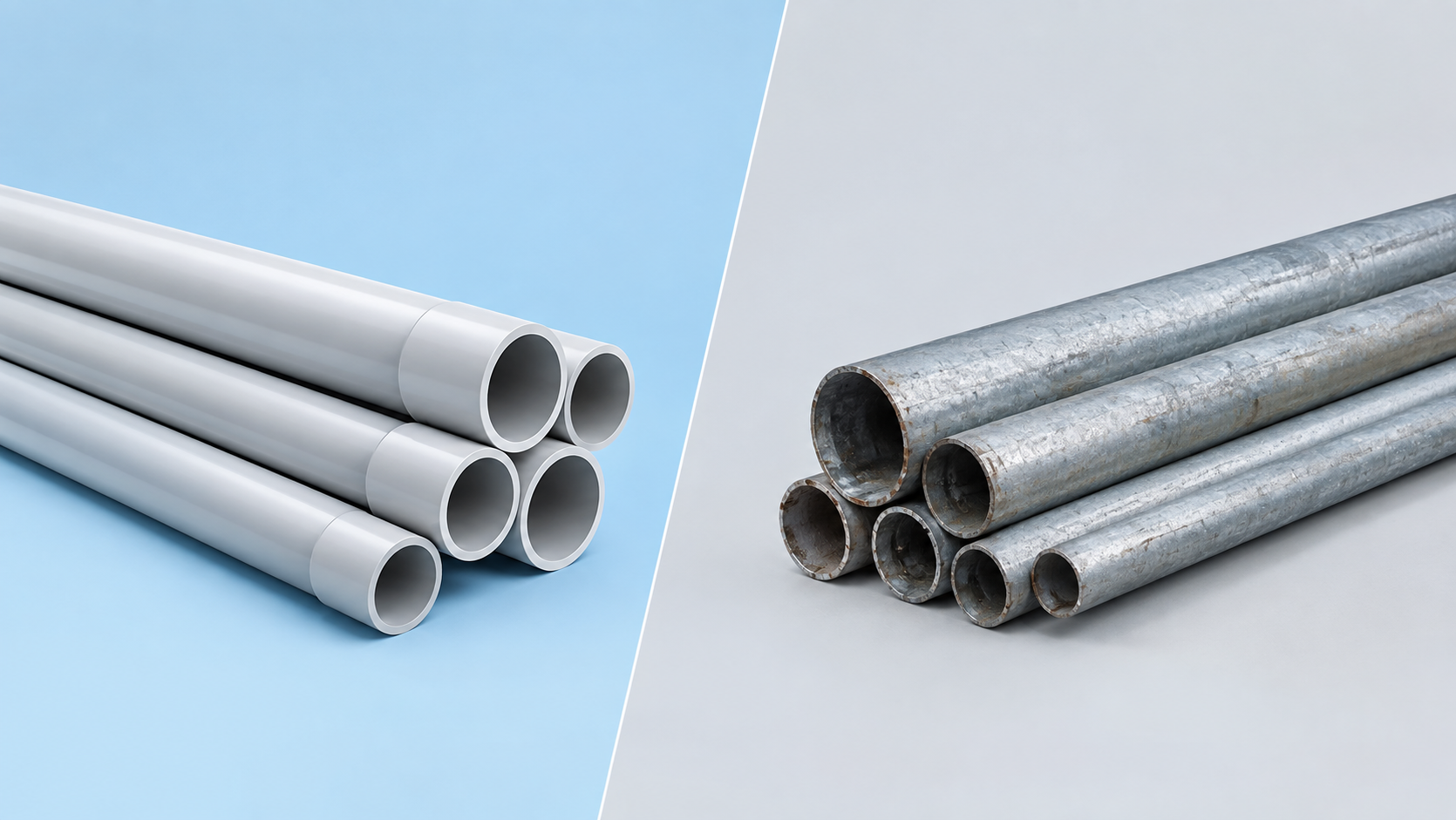
The real difference between a branded conduit system and an ordinary pipe often comes down to material consistency, dimensional accuracy, mechanical performance, installation compatibility and quality control. This comparison explains what to look for when choosing conduit pipes for Indian electrical projects.
What Is an Electrical Conduit Pipe?
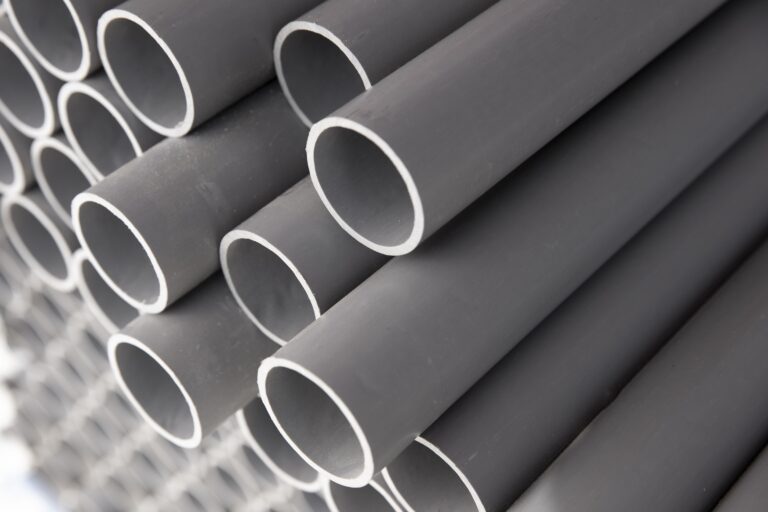
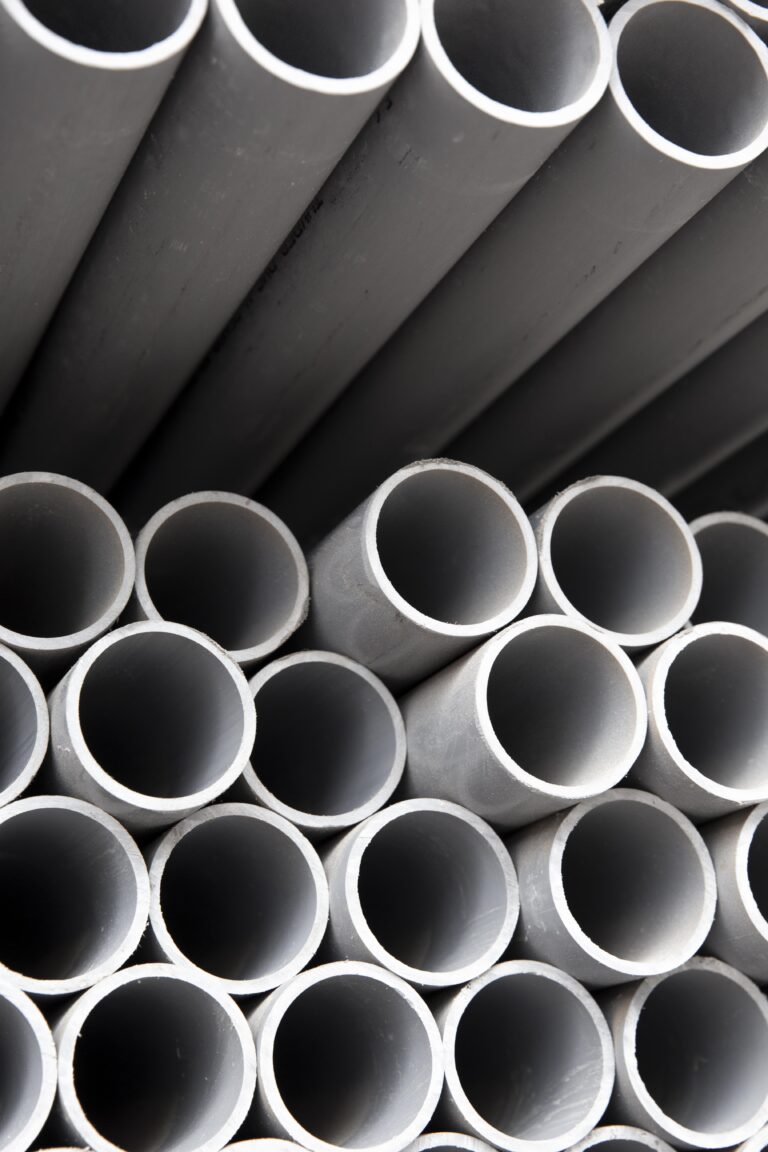
An electrical conduit pipe is a protective pathway used to route and safeguard electrical wires and cables. It helps organize wiring while reducing exposure to physical damage, moisture, dust and other external conditions.
PVC is commonly used for conduit applications because it is lightweight, electrically insulating and resistant to corrosion. BIS’s IS 9537 series covers conduits used for electrical installations, including rigid plain conduits made from insulating materials.
A good conduit system should provide:
- Adequate mechanical protection
- Reliable insulation
- Suitable dimensions and wall consistency
- Resistance to expected environmental conditions
- Compatibility with fittings and accessories
- Easy and secure installation
This is why choosing a product only because it looks similar to another conduit can be misleading.
Why Does the Difference Between AustroPipes and Ordinary Conduits Matter?
The best electrical conduit pipe in India should be selected based on the actual requirements of the electrical installation rather than price alone.
Ordinary conduits can vary considerably in material quality, dimensional consistency and manufacturing control. A properly manufactured conduit, on the other hand, should maintain consistent dimensions and performance across production batches.
AustroPipes states that its electrical conduit products undergo inspection for dimensions, finish and consistency and are manufactured using PVC material for electrical applications.
For a building project, these details matter because concealed wiring is difficult and expensive to replace after walls, ceilings or floors have been completed.
Key Differences Between AustroPipes and Ordinary Conduit Pipes
| Factor | AustroPipes | Ordinary Conduit |
| Material consistency | Controlled manufacturing approach | Can vary by manufacturer |
| Dimensional accuracy | Important part of quality inspection | May vary between batches |
| Cable protection | Designed for electrical installations | Depends on product quality |
| Installation | Designed for compatible electrical systems | Compatibility may vary |
| Quality control | Production and inspection procedures | Depends on supplier |
| Long-term suitability | Selected according to application and specifications | Requires careful product evaluation |
The table does not mean every ordinary conduit is poor quality. A lesser-known manufacturer can also produce a compliant product. The important point is to verify the product’s specifications, testing and applicable standards rather than judging by branding alone.
What Makes the Best Electrical Conduit Pipe in India?
The best electrical conduit pipe in India is not determined by the brand name alone. It should meet the technical requirements of the project and be appropriate for its installation environment.
1. Material Quality
PVC conduit should have consistent material properties throughout the pipe. Variations in formulation or processing can affect strength, flexibility, impact performance and service life.
For electrical installations, the material should also provide the required insulation characteristics.
2. Dimensional Consistency
A conduit with inconsistent dimensions can create problems when fittings are installed or when wires are pulled through the system.
BIS documentation for IS 9537 Part 3 includes requirements and testing related to dimensions, construction, bending, compression, impact, heat, burning and electrical properties.
3. Mechanical Strength
Conduit pipes can experience pressure during transportation, installation and construction. They may also be exposed to accidental impact.
For this reason, buyers should consider the classification and mechanical requirements applicable to their installation instead of selecting a pipe solely on outside appearance.
4. Fire and Heat Performance
Fire performance becomes especially relevant in buildings where large amounts of wiring are installed.
FRLS conduit products are intended for applications where fire behaviour and smoke generation are important considerations. However, buyers should verify the exact product specification and applicable certification rather than assuming that every PVC conduit provides the same fire performance.
This is also why comparing FRLS conduit pipe manufacturers requires more than looking at product names; technical documentation and applicable standards should be checked.
How Do Standards Help When Choosing Conduit Pipes?
Indian Standard specifications provide a useful technical benchmark. IS 9537 Part 3 covers rigid plain conduits of insulating materials and includes requirements for characteristics such as mechanical properties, heat resistance, resistance to burning and electrical strength.
When evaluating products from different ISI PVC pipe brands India, buyers should check:
- Applicable IS standard
- Certification or conformity documentation
- Product classification
- Nominal size
- Manufacturer markings
- Technical datasheet
- Recommended application
- Compatibility with fittings
BIS records also show testing of IS 9537 Part 3 conduits for parameters including dimensions, bending, compression, impact, heat, burning and electrical properties.
How to Choose the Right Conduit for a Project
Choosing the best electrical conduit pipe in India becomes easier when the selection process starts with the installation conditions.
Step 1: Identify the Application
Determine whether the conduit will be installed in:
- Residential buildings
- Offices and commercial spaces
- Industrial facilities
- Warehouses
- Ceilings
- Walls
- Floors
- Outdoor areas
- Other specialised environments
Different locations can impose different mechanical and environmental requirements.
Step 2: Select the Appropriate Size
The conduit must provide sufficient internal space for the wires and allow practical installation. Avoid selecting a diameter based only on the current cable arrangement if future expansion is likely.
Step 3: Check Standards and Documentation
Ask the manufacturer or supplier for relevant product specifications, certification information and installation recommendations.
Step 4: Check Accessories
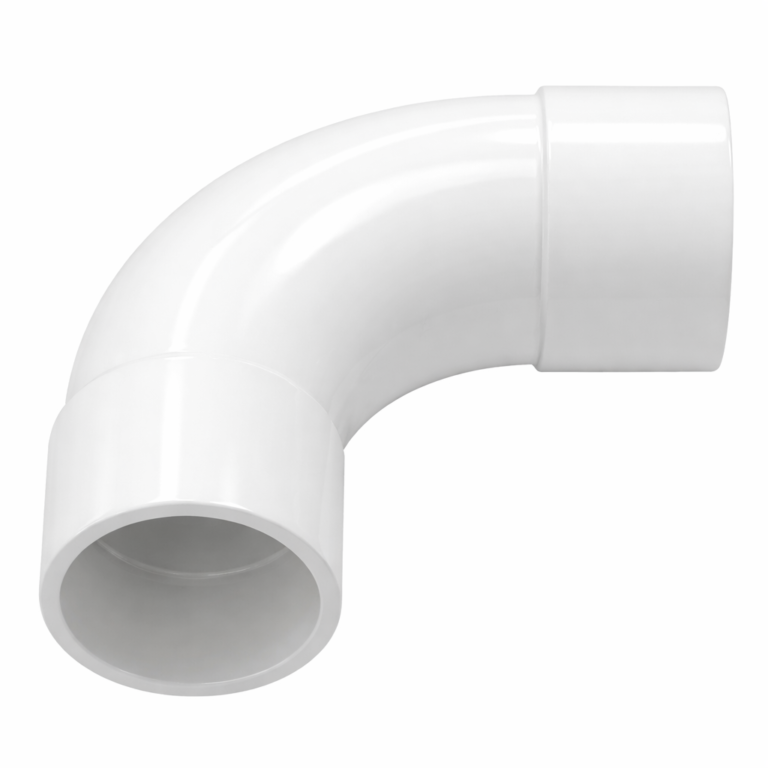
A conduit is part of a system. Couplers, bends, junction boxes, saddles and other accessories should be compatible with the selected conduit.
AustroPipes also manufactures electrical accessories such as bends and junction boxes as part of its electrical product range.
Step 5: Consider Installation Conditions
A conduit intended for concealed indoor wiring may have different requirements from one exposed to outdoor conditions or heavy mechanical stress.
For larger projects, involve the electrical consultant or engineer before final product selection.
Common Mistakes to Avoid
Even a high-quality conduit can perform poorly if it is installed incorrectly.
Avoid these common mistakes:
- Choosing solely on the lowest price.
- Using plumbing pipes as substitutes for electrical conduits.
- Selecting an unsuitable size for the cable arrangement.
- Using incompatible fittings.
- Creating unnecessarily sharp bends.
- Storing pipes where they can be damaged before installation.
- Ignoring project specifications or applicable standards.
- Covering concealed conduits without checking the completed pathway.
Proper installation is just as important as selecting a quality product.
Why AustroPipes Can Be Considered for Electrical Projects
AustroPipes identifies electrical conduit as one of its product categories and supplies conduit solutions for residential, commercial and industrial electrical applications. Its product information highlights PVC construction, insulation properties, durability and resistance to environmental conditions.
The company also states that it manufactures PVC, uPVC and CPVC products and electrical conduit pipes at its manufacturing facility in Hyderabad.
For buyers comparing a Top electrical conduit pipe brand in India, the sensible approach is to assess the actual product specification, applicable standard, project requirements and available technical support together.
For broader piping requirements, buyers can also compare solutions offered by pvc conduit pipe manufacturers in india based on certification, manufacturing consistency, product range and technical documentation.
What Should You Check Before Buying?
Before placing a bulk order, use this checklist:
- Correct conduit type for the application
- Appropriate nominal diameter
- Applicable Indian Standard
- Product classification
- Manufacturer markings
- Technical specifications
- Compatible fittings
- Required fire or heat performance
- Supplier authenticity
- Storage and installation instructions
This approach is more reliable than choosing a conduit solely because it is cheaper or visually thicker.
Conclusion
The difference between AustroPipes and an ordinary conduit should be evaluated through quality, consistency, technical specifications, applicable standards and suitability for the installation, rather than appearance or price alone. The best electrical conduit pipe in India is ultimately the one that meets the project’s electrical, mechanical and environmental requirements.
For residential, commercial and industrial projects, AustroPipes, an experienced Electrical Conduit Pipe Manufacturer, provides electrical conduit solutions designed for organised and protected cable routing. Before purchasing, compare specifications, verify applicable standards and select compatible accessories so the complete conduit system performs as intended.
Choose the Right Electrical Conduit for Your Project
Looking for reliable electrical conduit solutions for residential, commercial, or industrial applications? Connect with AustroPipes to discuss your project requirements, product specifications, and suitable conduit options.
Call us at: +91 99495 04930
Email: info@austropipes.com
Frequently Asked Questions
What is the main purpose of an electrical conduit pipe?
An electrical conduit provides a protective route for wires and cables. It helps reduce exposure to physical damage, moisture, dust and other external conditions while keeping wiring organised. PVC conduits can also provide electrical insulation and are widely used in residential, commercial and industrial installations.
Are all PVC conduit pipes the same?
No. PVC conduits can differ in material formulation, dimensions, mechanical performance, classification, manufacturing quality and intended application. Buyers should check the relevant standard, product documentation and installation requirements before choosing between different products.
Why should I check BIS standards for electrical conduits?
BIS standards provide technical requirements and test methods for applicable conduit products. For example, IS 9537 Part 3 addresses rigid plain conduits of insulating materials and includes requirements related to dimensions, mechanical properties, heat, burning and electrical performance.
Is FRLS conduit always better than normal PVC conduit?
Not necessarily for every application. FRLS characteristics can be valuable where fire behaviour and smoke generation are important, but conduit selection should match the project’s specifications, installation environment and applicable requirements. The right product depends on the risk profile rather than the label alone.
Can electrical conduit pipes be used for residential wiring?
Yes. PVC electrical conduits are commonly used for residential wiring in walls, ceilings and other parts of buildings. The correct size, classification, fittings and installation method should be selected according to the electrical design and applicable requirements.
How do I compare different conduit manufacturers?
Compare manufacturers using objective factors such as applicable standards, product specifications, dimensional consistency, testing documentation, product range, fitting compatibility, manufacturing capability and technical support. Price can be considered, but it should not be the only deciding factor.
Why is conduit quality important for concealed wiring?
Concealed wiring becomes difficult and expensive to access after construction is completed. A suitable conduit helps protect cables throughout the installation’s service life. Selecting an appropriate product and installing it correctly can reduce the risk of mechanical damage and future maintenance problems.