PVC Water Pipe Guide: Types & Benefits Explained
Water infrastructure is one of the most important parts of any building or civil project. From homes to large industrial setups, the quality of piping decides how safely and efficiently water is delivered. One of the most widely used solutions today is the pvc water pipe, known for its durability, affordability, and long service life.
In this guide, we will explore types, benefits, applications, and buying considerations so you can make an informed choice for your water system, along with the list of pvc pipe manufacturers in india.
What is PVC Water Pipe?
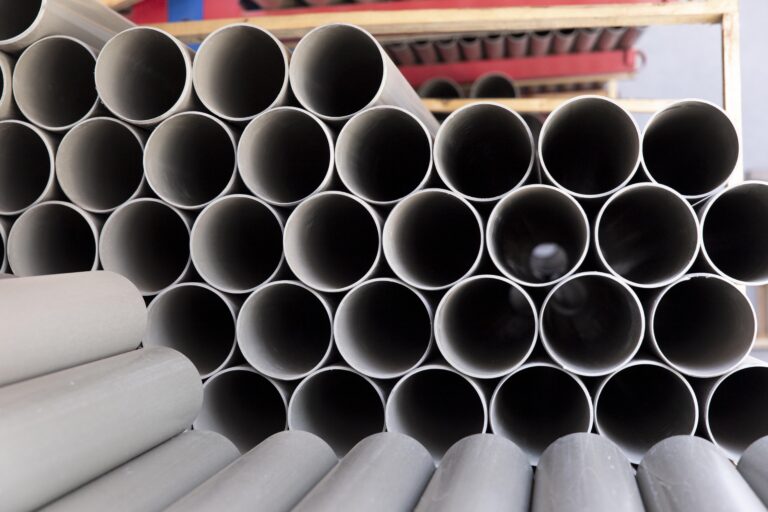
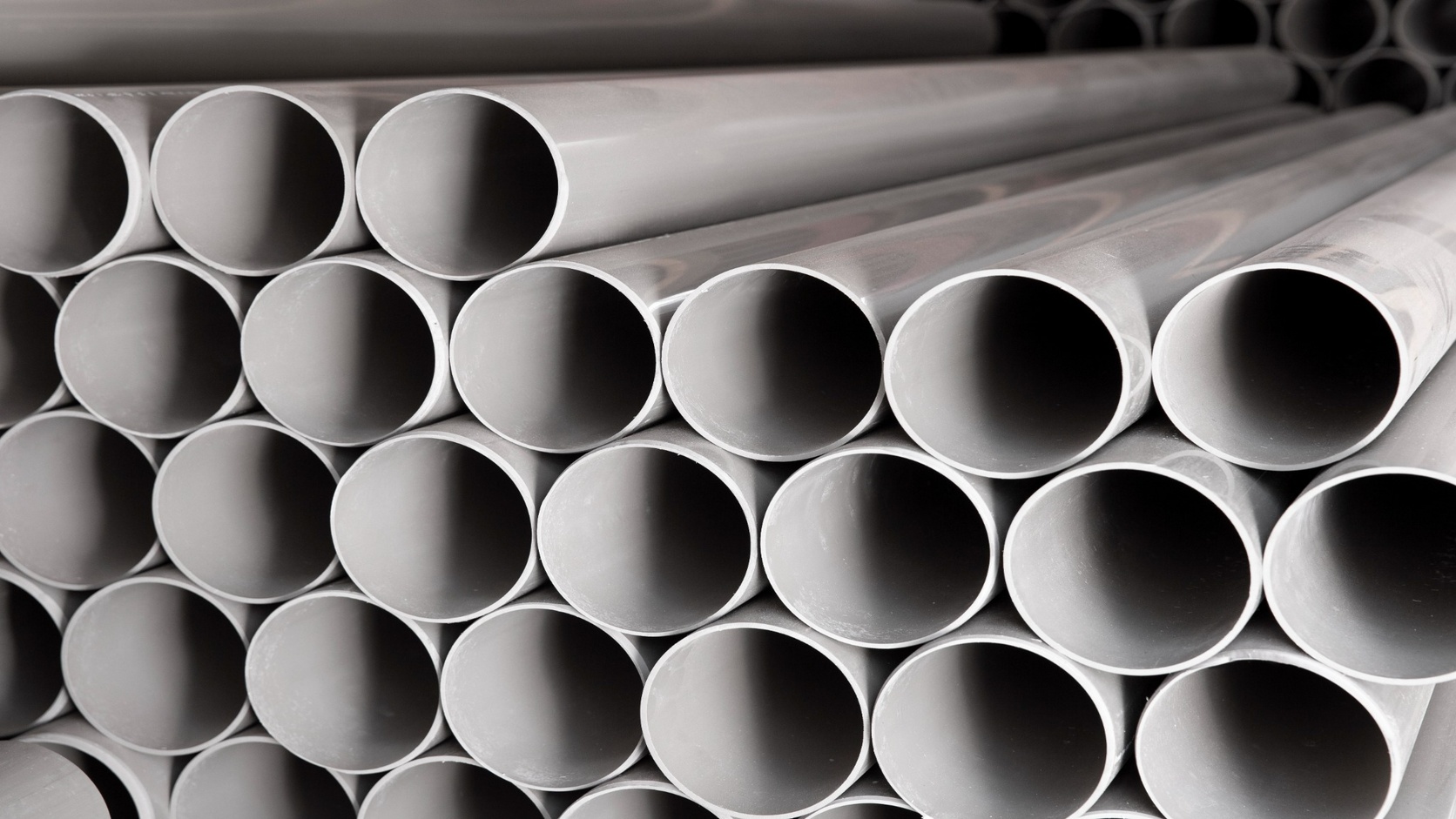
A pvc water pipe is a plastic piping system made from Polyvinyl Chloride (PVC), designed specifically for transporting water in residential, agricultural, and industrial applications. It is widely preferred due to its lightweight structure and resistance to chemical reactions.
The pvc water pipe has become a modern replacement for traditional metal pipes because it does not rust, corrode, or degrade easily over time. This makes it ideal for long-term installations in different environments, especially where water purity is important.
Types of PVC Water Pipes
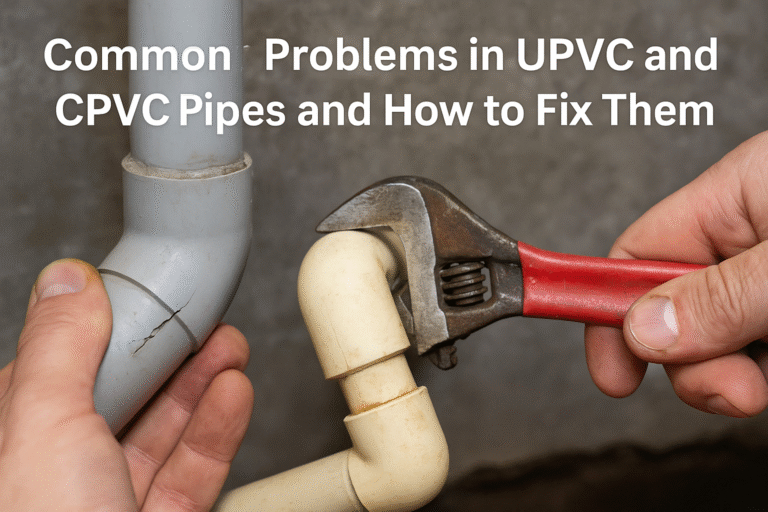
There are several types of piping systems available depending on pressure requirements and usage. The pvc water pipe is available in different categories to suit these needs.
- Rigid PVC Pipes (uPVC)
These are strong, unplasticized pipes used for high-pressure applications like domestic supply lines and irrigation systems. - Flexible PVC Pipes
These pipes are bendable and commonly used in temporary setups or light-duty applications. - CPVC Pipes
These are chlorinated variants designed for hot and cold water systems, offering better temperature resistance. - Perforated PVC Pipes
Mainly used in drainage and filtration systems, allowing controlled water flow.
Each type of pvc water pipe serves a specific purpose depending on installation requirements and pressure conditions.
Benefits of PVC Water Pipe
One of the main reasons for the popularity of the pvc water pipe is its wide range of benefits in construction and plumbing systems.
- Durability: It can last for decades without significant wear and tear.
- Lightweight design: Easy to transport and install compared to metal alternatives.
- Cost-effective: Reduces installation and maintenance costs significantly.
- Chemical resistance: Ideal for different types of soil and water conditions.
- Leak-proof joints: Ensures efficient and safe water flow.
Because of these advantages, the pvc water pipe is now a preferred choice in both residential and commercial plumbing systems.
Another important advantage is its role in modern corrosion resistant pipes technology. Unlike iron or steel pipes, PVC does not rust, which ensures cleaner water delivery and reduced maintenance costs.
Applications in Modern Water Systems
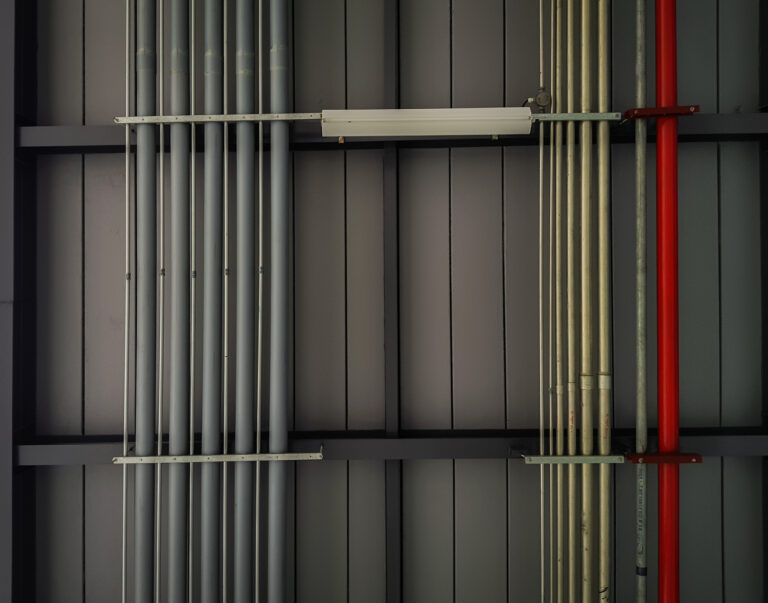
The use of PVC has expanded rapidly across various sectors. Today, water supply piping systems rely heavily on PVC due to its flexibility and performance.
The pvc water pipe is commonly used in:
- Household plumbing systems
- Agricultural irrigation networks
- Industrial water distribution
- Municipal water supply lines
- Construction and infrastructure projects
In residential use, it is often preferred as pvc pipe for drinking water because it maintains water quality and does not react with chemicals present in the water supply.
These applications show how PVC has become an essential part of modern plumbing solutions and infrastructure development.
PVC vs Traditional Water Pipes
When compared with metal and other older materials, the pvc water pipe offers several advantages. Traditional metal pipes often face corrosion, scaling, and leakage issues, which increase maintenance costs over time.
PVC pipes, on the other hand, provide:
- Longer lifespan
- Better flow efficiency
- Lower maintenance requirements
- Improved hygiene for drinking water systems
This is why PVC is widely used in systems designed for potable water pipes, ensuring safe and clean water delivery to households and businesses.
How to Choose the Right PVC Pipe
Selecting the right pvc water pipe depends on several factors. Understanding these helps ensure better performance and long-term reliability.
- Pressure rating: Choose based on water pressure requirements.
- Application type: Domestic, agricultural, or industrial use.
- Pipe thickness: Higher thickness means better durability.
- Water quality needs: Especially important for drinking water systems.
- Environmental conditions: Soil type and temperature variations matter.
For buyers comparing options, checking a pvc pipe for water supply guide can help identify suitable brands and specifications.
Leading Manufacturers and Market Availability
The PVC pipe industry in India is highly developed, with several companies offering high-quality products for different applications. If you are researching suppliers, you may explore the pvc water pipe manufacturers category to understand available options and quality standards.
You can also refer to a pvc pipe manufacturers in india to compare different brands, product ranges, and pricing structures.
These references help in selecting reliable suppliers that meet both residential and industrial requirements.
Maintenance and Installation Tips
Proper installation is essential for maximizing the lifespan of a pvc water pipe system. Even though PVC is low-maintenance, correct handling improves performance.
- Always use proper adhesive or joint fittings
- Avoid excessive bending or stress on pipes
- Ensure correct pipe diameter selection
- Protect exposed pipes from direct sunlight where possible
- Conduct periodic inspections for leaks or damage
Following these practices ensures long-lasting performance and reduces repair costs over time.
Environmental and Safety Advantages
Modern plumbing systems increasingly focus on sustainability, and the pvc water pipe supports this goal. It reduces water loss due to leakage and requires less energy for production compared to metal pipes.
Its use in water supply piping systems also ensures safe distribution of clean water, making it a reliable choice for urban and rural infrastructure.
Because of its non-reactive nature, it is widely used in systems carrying potable water pipes, ensuring safe drinking water delivery without contamination risks.
Conclusion
The pvc water pipe has transformed modern plumbing with its durability, affordability, and versatility. From residential homes to large-scale infrastructure projects, it continues to play a vital role in efficient water distribution systems.
With benefits like corrosion resistance, easy installation, and long service life, it stands out as a practical solution for modern water needs. Whether used for drinking water, irrigation, or industrial supply, PVC remains a trusted choice in today’s plumbing industry.
As infrastructure continues to evolve, the demand for reliable and efficient piping systems will only grow, and PVC will remain at the center of this development.
Other critical factors include how far apart to mount supports, whether there is sun exposure, and the weight of the pipe. In cases where you are considering alternatives, then you need to consider pvc water pipe.
When selecting piping solutions for any project, it is important to evaluate durability, pressure handling, and long-term performance. In many cases, choosing the best pvc pipe for water supply ensures better efficiency, reduced leakage risks, and reliable water flow across residential and industrial applications.
If you want to learn more about the right option for your project, explore more PVC water pipe details here to make a better decision.
Frequently Asked Questions
1. How long does PVC piping usually last?
Well-installed PVC piping can last for several decades, especially in cold-water applications with stable pressure and limited sunlight exposure. Longevity depends on pipe grade, joint quality, soil conditions, operating pressure, and protection from impact or unnecessary stress.
2. Can PVC be used for hot water?
Standard PVC is not recommended for hot water because higher temperatures can soften or weaken it. For hot-water plumbing, CPVC or another approved material is usually better. Always check temperature ratings, local codes, and manufacturer markings before installation.
3. Is PVC suitable for drinking water?
Yes, a pvc water pipe can be suitable for drinking water when it is certified for potable use and installed with approved fittings and solvent cement. Avoid drainage-grade or unmarked products, because they may not meet safety requirements for household water supply.
4. What is the difference between Schedule 40 and Schedule 80?
Schedule 80 has thicker walls and usually handles higher pressure than Schedule 40. Schedule 40 is lighter and commonly used for general applications, while Schedule 80 is preferred where extra strength, pressure resistance, or impact protection is needed.
5. Can PVC pipes be installed underground?
Yes, PVC can be installed underground if the pipe type, pressure rating, trench depth, bedding, and backfill are suitable. The line should be protected from sharp stones, heavy surface loads, and poor joint preparation to reduce the risk of cracking or leaks.