Pipe Fitting Shop Near Me – Complete India Buying Guide | Austro Pipes
Type “pipe fitting shop near me” into Google from anywhere in Hyderabad and you will instantly see dozens of listings – small hardware stores, big dealers, distributor showrooms, and brand-authorised counters scattered across Begumpet, Kukatpally, Jeedimetla, and IDA Mallapur. The problem is not finding a shop. The problem is knowing which one will actually stock ISI-marked fittings, give you the correct size, and not push duplicate-branded stock on a hurried buyer. This guide helps you cut through the noise, pick the right shop, and walk away with fittings that last.
TL;DR / Quick Answer
A reliable pipe fitting shop near you is one that stocks ISI-marked PVC, UPVC, CPVC, brass, GI and stainless-steel fittings from a recognised manufacturer, issues a proper GST bill, and lets you physically inspect the fittings before paying. In Hyderabad, authorised dealers cluster around the industrial areas of IDA Mallapur, Balanagar, and Kompally, which serve both retail and contractor demand. Always confirm the material grade, check the ISI mark on the fitting body itself, and ask for a written quotation before bulk purchases.
Pipe Fitting Shop Near Me – Complete India Buying Guide
Searching for a pipe fitting shop near you is rarely just about proximity. Most buyers – homeowners replacing a leaking line, contractors fitting out a new flat, or farmers laying irrigation laterals – actually want three things in one place: trusted brands, correct sizes, and fair billing. Before stepping out, decide what you actually need: a domestic 15 mm elbow, a 100 mm SWR branch, or a 75 mm underground drainage coupling. Match this with the application – potable water, hot water, soil-waste, or electrical conduit. This way you walk into any authorised dealer or neighbourhood hardware store with a clear bill of materials, and you avoid the classic mistake of buying a CPVC fitting where a UPVC one was needed.
Types of Pipe Fittings You Can Buy Locally
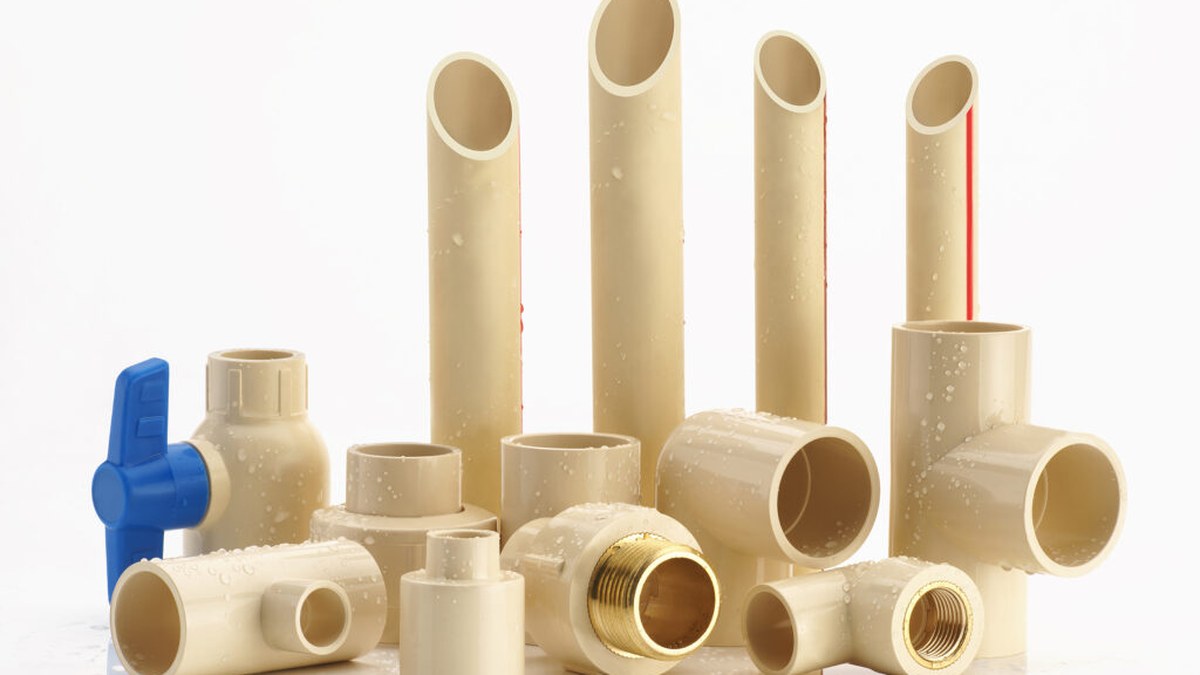
Step into any Hyderabad pipe fitting shop and you will see fittings classified first by function, then by size. Elbows (90 and 45 degree) change direction, tees branch the line, couplings join two straight runs, reducers step down diameter, unions allow future disassembly, valves control flow, and caps seal dead ends. For drainage, you will also find SWR-specific fittings like bends with access doors, P-traps, Nahani traps, and vent cowls.
The second classification is application: plumbing fittings (white UPVC, off-white CPVC), drainage fittings (grey SWR, red underground pipes), agricultural fittings (rigid PVC pressure fittings), and electrical fittings (conduit bends, junction boxes, PVC casing and capping). Specialty fittings such as DWC pipe couplings and double-socket couplers are stocked more by industrial dealers near IDA Mallapur than by neighbourhood stores. Knowing this typology saves you a second trip when the shopkeeper asks “which type, bhai?”
Pipe Fitting Materials Available in Indian Shops
Material choice is where most buyers lose money. PVC and UPVC fittings dominate the cold-water and irrigation categories – light, corrosion-free, and easy to solvent-weld. CPVC fittings are the standard choice for hot-water lines: Austro Pipes’ own CPVC pipes and fittings page notes they withstand temperatures up to 200 degrees F (93 degrees C), while its UPVC range performs best below 60 degrees C and is meant for cold-water supply and drainage. GI (galvanised iron) and forged-steel fittings still rule high-rise risers and fire-line work. Brass and copper fittings show up in premium exposed plumbing, while stainless steel fittings serve food, pharma, and coastal applications. For drainage and sewage, UPVC SWR fittings are lightweight and leak-proof. Electrical conduits are made from rigid PVC.
When checking quality, look for the ISI mark and the BIS standard number for that material – IS 4985 for UPVC pipes for potable water, IS 15778 for CPVC pipes for hot and cold water distribution, and IS 9537 for electrical conduits, all published by the Bureau of Indian Standards. Austro Pipes describes its products as ISO and ISI-certified and tests conduit pipes to ISI standards in its own labs, so an authorised dealer will have that documentation ready.
Pipe Fitting Shopping Hubs in Hyderabad and Other Indian Cities
Every metro has a pipe-fitting bazaar. In Hyderabad, the industrial hubs of IDA Mallapur, Balanagar, Jeedimetla, and Kompally host the densest dealer clusters, while Begumpet and Ameerpet serve retail walk-ins. Dealers in Sangareddy, Siddipet, and Warangal carry larger-bore UPVC stocks for rural water-supply demand across Telangana. Elsewhere, Mumbai’s Kumbharwada, Nagdevi, and Pydhonie remain the wholesale heart; Delhi’s Chawri Bazar and Hauz Qazi are the historic hubs; Bangalore’s NR Road and SP Road serve the South; Chennai’s George Town and Parry’s Corner dominate; Pune buyers head to Kasarwadi and Bhosari MIDC; and Kolkata’s Burrabazar and Ahmedabad’s Naroda GIDC round out the map. For project buyers in Hyderabad, the Austro Pipes contact page connects you with the brand’s local distribution cell, which handles bulk and dealer enquiries across Telangana and Andhra Pradesh.
How to Verify a Trusted Pipe Fitting Shop Near You
Trust signals separate a genuine shop from a fly-by-night operator. First, ask for the GST registration – a registered dealer can issue a proper tax invoice, which protects you during warranty or insurance claims. Second, look for the ISI mark stamped or printed on the fitting body, not just on the wrapper. Third, check whether the shop is an authorised dealer of the brand – most manufacturers maintain a dealer list and issue point-of-sale material. Fourth, observe stock rotation: fittings stored in direct sunlight lose impact strength, and a shop that stocks indoors or under shade takes storage seriously. Fifth, ask for the batch and manufacturing date, because old UPVC fittings can turn brittle. Finally, see if the dealer offers technical guidance on pressure ratings and jointing methods. A trusted shop will tell you when not to buy – for example, refusing to sell a PVC elbow for a hot-water line.
How Pipe Fitting Prices Work in India
Published price lists are rare because pipe fitting prices move with resin and brass commodity rates, and they vary by size, brand, quantity, and city. As a rule of thumb, UPVC fittings are the most economical, CPVC costs more than UPVC for the same size, and brass or chrome-plated fittings cost several times more. What moves the needle most is quantity: dealers typically offer better per-piece rates on bulk orders, so always ask. Compare the per-piece cost only after adding GST and transport, especially if the shop is quoting ex-warehouse from an industrial area rather than ex-shop. For project procurement, manufacturers like Austro Pipes follow a quote-based pricing model – current dealer and bulk rates are shared on request through the sales team or the website’s Get A Quote route, since prices vary by size, quantity, and commercial terms.
Online vs Local Pipe Fitting Shops – Where to Buy
Online marketplaces list thousands of SKUs and offer transparent MRP. They are convenient for standard sizes, known brands, and small repair quantities. Local shops still win on three counts: same-day availability for emergency repairs, the ability to physically inspect material quality, and on-the-spot exchange if sizes are wrong. For bulk or project procurement, hybrid buying works best: source your primary stock from a verified local dealer for speed and warranty support, and use online portals to benchmark prices. For deeper product education – installation guides, material comparisons, maintenance tips – the Austro Pipes blog is a useful companion. The bottom line: local shops for emergencies, branded dealers for trust, online for price discovery.
Checklist Before Visiting a Pipe Fitting Shop
- Note exact sizes you need (15 mm, 20 mm, 25 mm, 32 mm, 50 mm, 75 mm, 110 mm).
- Count quantities per type – elbows, tees, couplers, reducers.
- Decide material per application – UPVC for cold water, CPVC for hot, SWR for drainage.
- Carry an old sample fitting for size matching.
- Verify the ISI mark and BIS standard number for each material.
- Confirm the pressure rating your line needs (PN rating).
- Ask for a GST bill and warranty card.
- Confirm the return and exchange policy on unused fittings.
- Check stock availability before travelling to a far industrial-area dealer.
A prepared buyer gets the right fittings on the first trip – no second autorickshaw ride, no half-day wasted.
Conclusion
The best pipe fitting shop near you is not always the nearest one – it is the one that combines ISI-certified stock, transparent billing, and material-grade expertise. For Hyderabad and Telangana buyers, Austro Pipes’ network of over 3,000 dealers across Andhra Pradesh and Telangana, anchored from its Mallapur, Hyderabad manufacturing base, offers a reliable starting point, especially when paired with the brand’s quote-based pricing for CPVC, UPVC, SWR, and agricultural fittings. Use the city map, certification checks, and checklist above to walk into any shop with confidence. For project-specific enquiries or dealer onboarding, reach out through the brand’s official contact page and ask for current pricing.
Frequently Asked Questions
What is the best way to find a pipe fitting shop near me in Hyderabad?
Search Google Maps with “pipe fitting shop near me” along with your locality, then filter by strong recent reviews. Industrial hubs like IDA Mallapur, Balanagar, and Kompally host the densest authorised dealer clusters.
How do I know if a pipe fitting is ISI certified?
Look for the ISI logo stamped or embossed on the fitting body, not just the packaging, and match it with the BIS standard for that material – IS 4985 for UPVC, IS 15778 for CPVC, IS 9537 for electrical conduits.
Which pipe fitting material is best for hot water lines?
CPVC rated to IS 15778 is the standard choice for geysers, solar heaters, and kitchen hot-water lines. Austro Pipes states its CPVC range withstands temperatures up to 200 degrees F (93 degrees C), while UPVC is meant for cold-water use below 60 degrees C.
Do local pipe fitting shops give bulk discounts?
Most dealers offer better per-piece rates on larger orders, and manufacturer-authorised dealers also pass on scheme-based offers from time to time. Always ask for a written quotation for bulk quantities.
Should I buy pipe fittings online or from a local shop?
Buy online for standard sizes and price benchmarking; buy locally for same-day emergencies, physical inspection, and easier returns. For project-scale procurement, combine both – verify locally, price-check online.
What documents should a trusted pipe fitting shop provide?
A GST tax invoice, the batch number and manufacturing date, and where applicable, a manufacturer warranty card. Authorised dealers also share brand point-of-sale material and technical datasheets.