Pipe Fittings Explained: Types, Uses, and How to Select the Right Ones
By@seo
A piping system is only as reliable as its connections. Pipe fittings connect pipe sections, change the direction of flow, create branches, reduce or increase pipe size, and help connect pipes to equipment or other materials. Choosing the correct fitting is therefore essential for preventing leaks, maintaining flow, and ensuring long-term system performance.
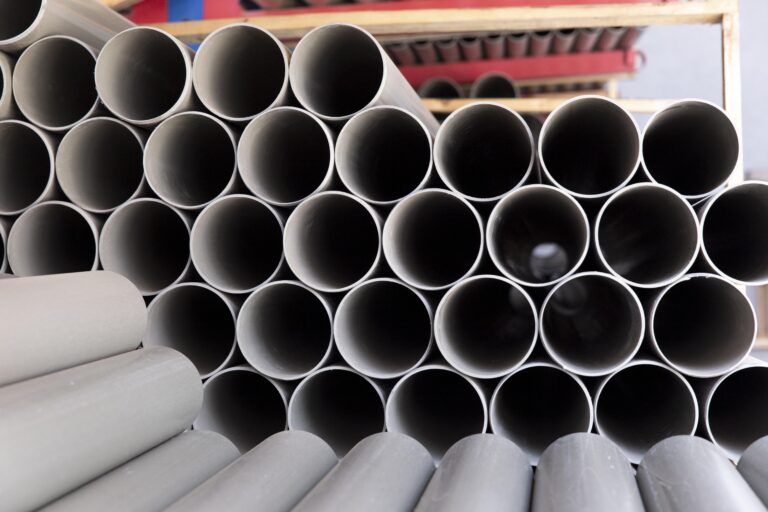
For residential and commercial projects in Jaipur, fittings may be required for water supply, drainage, sanitation, rainwater management, and other plumbing applications. PVC water pipe manufacturers play an important role in providing pipes and compatible fittings for these applications. The right selection depends on factors such as pipe material, diameter, pressure, temperature, application, and jointing method.
This guide explains the major types of fittings, their uses, common connection methods, selection factors, installation mistakes, and practical tips for choosing fittings that match the piping system.
What Are Pipe Fittings?
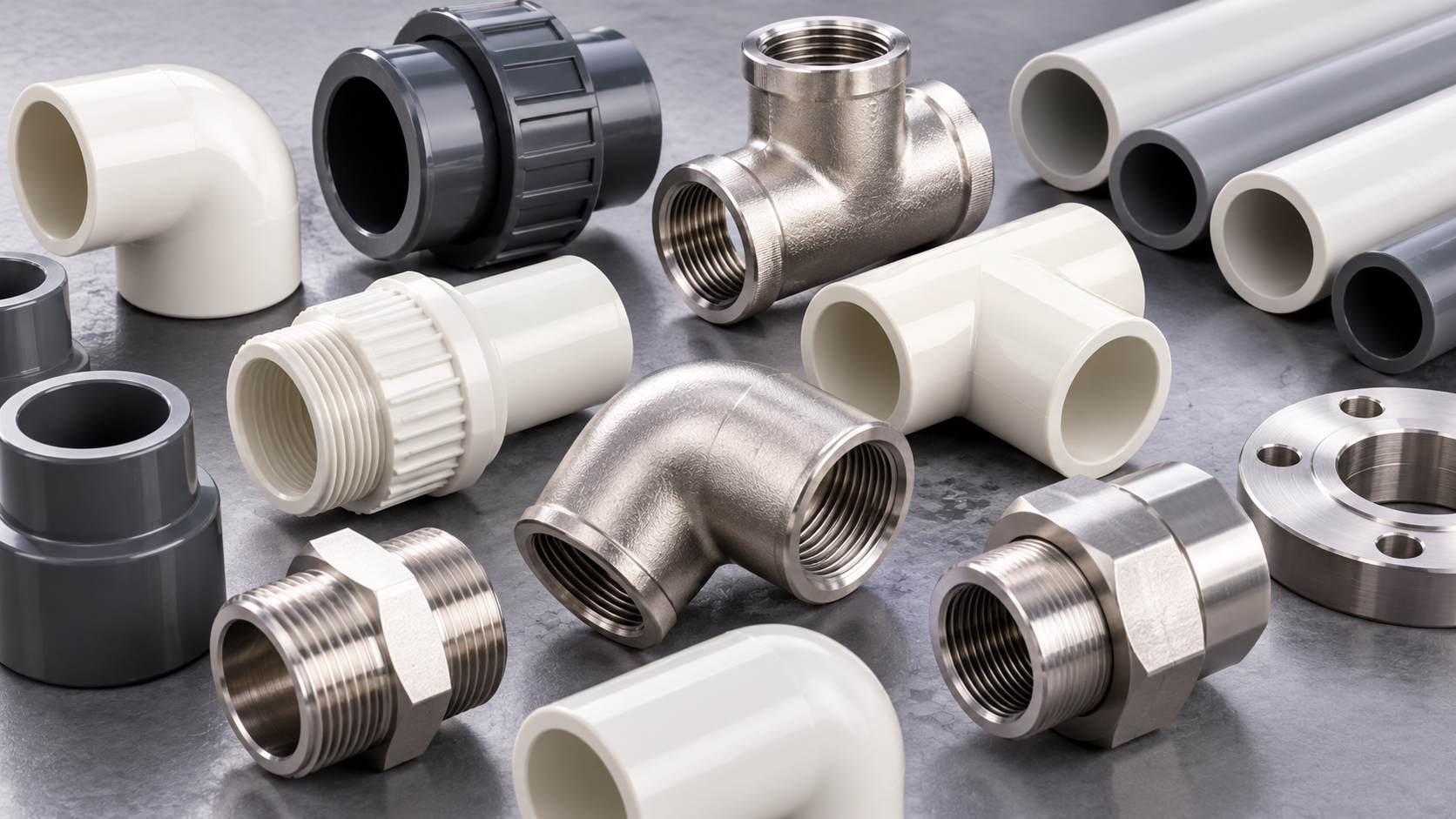
Pipe fittings are components used to connect, redirect, branch, terminate, or adapt sections of a piping system. Common examples include elbows, tees, couplings, reducers, adapters, bends, and plugs. Their main purpose is to create a functional and continuous piping network. For example, an elbow can change the direction of a pipeline, while a tee can create a branch for supplying another fixture or section of the system. In plastic piping systems, fittings are generally designed to match the pipe material and jointing method. For example, uPVC systems may use socketed fittings joined using suitable solvent cement or other specified jointing arrangements, depending on the application and product specification.Why Are Fittings Important in a Piping System?
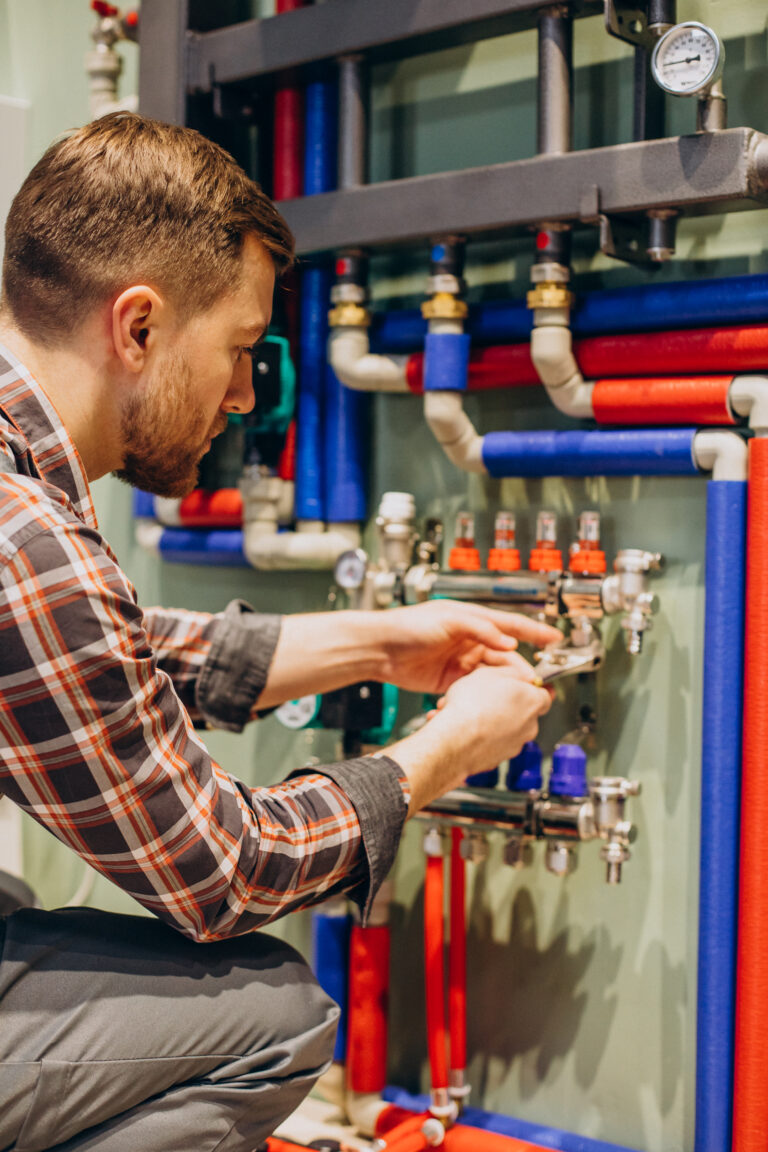
Fittings do more than simply connect two pipes. UPVC pipe fittings manufacturers provide components that help determine how a piping network is routed and how efficiently different sections work together. Good-quality, correctly matched fittings can help:- Create secure connections between pipe sections
- Change the direction of water or wastewater flow
- Create branches from a main pipeline
- Connect pipes of different diameters
- Connect piping to fixtures or other components
- Facilitate maintenance and system modifications
- Reduce the risk of leakage caused by incompatible connections
What Are the Main Types of Pipe Fittings?
The most common fittings include elbows, tees, couplings, reducers, adapters, bends, unions, and end fittings. Each serves a different function within a piping layout.1. Elbow
An elbow changes the direction of a pipeline. Common configurations include 45-degree and 90-degree elbows, although the exact options depend on the piping system. Typical uses:- Routing pipes around walls and obstacles
- Changing horizontal to vertical pipe direction
- Connecting fixtures to supply lines
- Designing compact plumbing layouts
2. Tee
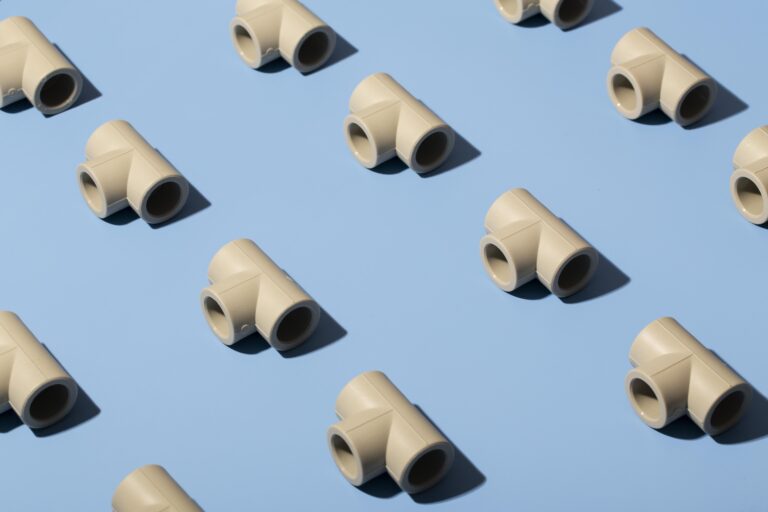
A tee has three openings and is used when a pipeline needs a branch connection. It can connect one main pipe to another line while maintaining the required flow arrangement. Typical uses include:- Creating branches in water supply systems
- Connecting multiple plumbing lines
- Diverting flow to different fixtures
- Building distribution networks
3. Coupling
A coupling connects two pipe sections, generally in a straight line. It is useful when extending a pipeline or joining two compatible pipe lengths. Couplings are particularly useful during repairs, extensions, and new installations where two straight sections need to be joined securely.4. Reducer
A reducer connects pipes of different diameters. It is used when a pipeline transitions from a larger diameter to a smaller one or vice versa. Correct sizing is important because an unsuitable reduction can affect flow characteristics and system performance.5. Bend
A bend changes the direction of a pipeline while providing a curved route. Bends are commonly used in drainage and soil-waste systems. For example, BIS’s IS 14735:1999 covers several uPVC injection-moulded fitting types for soil and waste discharge applications, including bends, tees, wyes, reducers, couplers, adaptors, and waste traps.6. Adapter
An adapter is used to connect components with different connection types, materials, or configurations. It can be useful when a plastic pipe needs to connect with another piping material, threaded component, valve, or equipment connection.7. Plug and End Fittings
Plugs and similar end fittings are used to close or terminate a pipeline. They can be useful during installation, maintenance, testing, or when a branch is no longer required.Understanding the Different Pipe Connection Methods
The connection method should match the pipe and fitting material, application, and manufacturer’s instructions. Common pipe connection methods include:- Solvent cement jointing – Used with compatible plastic piping systems where the pipe and fitting surfaces are chemically bonded using an appropriate solvent cement.
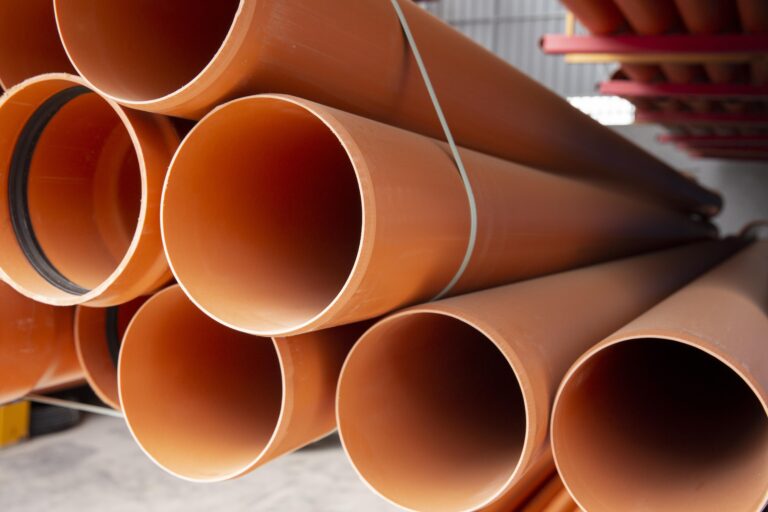
- Rubber-ring or elastomeric joints – Common in certain drainage and underground systems where a sealing ring creates the joint.
- Threaded connections – Used for compatible threaded components and transitions to valves or fixtures.
- Mechanical connections – Used where fittings are secured through mechanical components rather than solvent bonding.
- Fusion-based connections – Used with compatible thermoplastic systems where heat or specialized equipment creates the joint.
How to Choose the Right Fitting for Your Project
Selecting the right fitting requires more than matching the diameter. When sourcing products from an SWR pipe manufacturer, use the following checklist to evaluate compatibility, application requirements, standards, and installation conditions.1. Identify the Pipe Material
First determine whether the system uses PVC, uPVC, CPVC, PE, metal, or another material. AustroPipes manufactures PVC, uPVC, and CPVC piping and fitting solutions for different applications.2. Match the Pipe Size
Check the nominal diameter and actual connection dimensions. A fitting should be specifically compatible with the pipe size and system specification. Using an incorrectly sized fitting can result in poor joints, restricted flow, or leakage.3. Consider the Application
The required fitting may differ depending on whether the system is designed for:- Cold-water plumbing
- Hot-water distribution
- Soil and waste discharge
- Rainwater drainage
- Underground drainage
- Agricultural applications
- Industrial piping
4. Check Pressure and Temperature Requirements
The fitting must be suitable for the operating conditions of the system. Hot-water installations require materials and fittings designed for elevated temperatures, while drainage systems may have different requirements because they typically operate without the same pressure conditions as pressurized water lines.5. Select the Correct Jointing Method
Before purchasing fittings, confirm whether the system requires solvent cement, rubber-ring joints, threaded connections, or another approved method. The pipe and fitting should be designed to work together as a compatible system.6. Check Applicable Standards
Standards can help define requirements for dimensions, materials, performance, testing, and quality. For example, BIS lists IS 14735:1999 for uPVC injection-moulded fittings used in soil and waste discharge systems, including ventilation and rainwater applications. The standard covers fitting types such as tees, wyes, bends, reducers, couplers, adaptors, and waste traps. Always verify the relevant standard for the specific pipe and application instead of assuming that one standard applies to every fitting.Common Fitting Selection Mistakes to Avoid
Even a good piping product can perform poorly if the wrong fitting or connection method is used. Avoid these common mistakes:- Selecting a fitting based only on diameter
- Mixing incompatible pipe materials
- Using unsuitable solvent cement
- Ignoring pressure or temperature requirements
- Choosing fittings without considering the application
- Forcing a poorly matched connection
- Using damaged, cracked, or deformed fittings
- Failing to follow the manufacturer’s installation instructions
- Ignoring applicable product standards
- Not checking alignment before making permanent joints
A Simple Plumbing Fittings Guide for Homeowners and Contractors
When planning a plumbing installation, start with the system layout rather than purchasing individual components immediately. Step 1: Identify the application—water supply, drainage, wastewater, rainwater, or another purpose. Step 2: Identify the pipe material and required diameter. Step 3: Mark every location where the pipeline changes direction or branches. Step 4: Select the required elbows, tees, couplings, reducers, adapters, and end fittings. Step 5: Confirm that all components use compatible connection methods. Step 6: Check the applicable product requirements and manufacturer’s installation instructions. Step 7: Install and inspect each joint carefully before the system is put into service. This approach reduces unnecessary fittings and makes the overall installation easier to plan and maintain.What Should Jaipur Buyers Consider When Selecting Fittings?
Jaipur projects can include residential buildings, commercial properties, apartments, offices, and infrastructure-related installations. Buyers should therefore focus on application-specific requirements rather than choosing fittings based only on price. For projects in Jaipur, consider:- Local availability of matching pipes and fittings
- Correct pipe and fitting dimensions
- Expected operating temperature and pressure
- Indoor or outdoor installation conditions
- Drainage versus pressurized water applications
- Installation method and available skilled labour
- Applicable Indian Standards
- Manufacturer documentation and technical support