FRLS Conduit Pipes: How Austropipes Supports Safer Electrical Installations
Electrical wiring is one of the most critical components of any residential, commercial, industrial, or infrastructure project. While cables carry electrical current, conduits protect those cables from mechanical damage, environmental exposure, and installation-related risks. For projects where fire performance and dependable wiring protection are priorities, selecting suitable conduit materials is an important decision.
FRLS Conduit Pipes manufacturers focus on conduit solutions designed around flame-retardant and low-smoke characteristics, subject to the actual product specification and applicable testing requirements. For builders, electrical contractors, dealers, and project procurement teams, the right conduit should offer a balance of mechanical strength, dimensional consistency, electrical insulation, ease of installation, and compliance.
Austro Pipes, one of the PVC conduit pipe manufacturers in India, supports electrical installation requirements with PVC-based conduit solutions designed for practical construction applications. This guide explains what FRLS conduits mean, why they matter, what buyers should check, and how to evaluate conduit products for Indian projects.
What Are FRLS Conduit Pipes?
FRLS stands for Flame Retardant Low Smoke. In electrical applications, the term generally refers to materials or products designed to resist flame propagation and limit smoke generation under specified test conditions. However, buyers should verify the exact FRLS performance claims against the manufacturer’s technical documentation and applicable product standards.
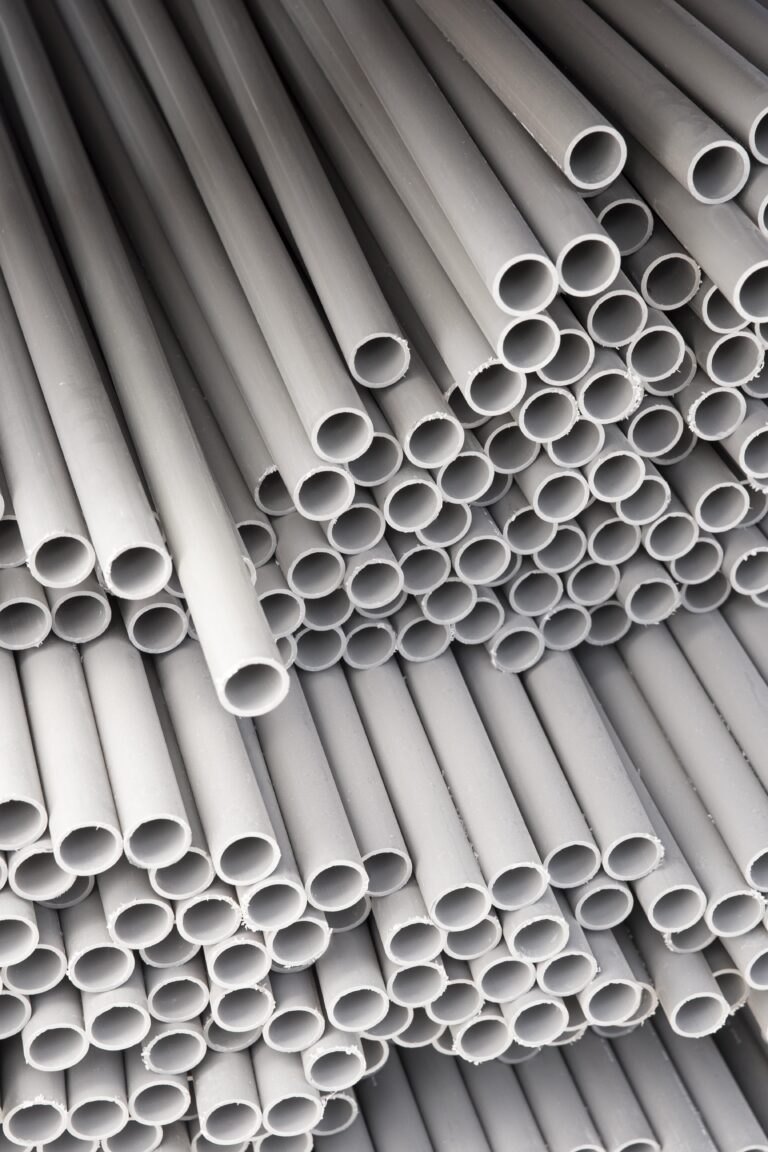
An electrical conduit provides a protected route for wires and cables. Rigid insulating conduits covered by IS 9537 Part 3 are intended for electrical installations and have requirements covering characteristics such as dimensions, mechanical properties, thermal resistance, fire resistance, and electrical performance.
For project teams, this means conduit selection should not be based only on appearance or price. Product classification, applicable standards, material characteristics, dimensions, and intended installation conditions all deserve attention.
Why FRLS Performance Matters in Electrical Installations
The main advantage of flame-retardant and low-smoke characteristics is improved fire-performance consideration around electrical wiring. If a fire occurs, limiting flame propagation and excessive smoke can help reduce additional hazards, although no conduit should be treated as a complete fire-safety system.
FRLS-oriented conduit selection can be particularly relevant in:
- Residential buildings and apartments
- Commercial complexes and offices
- Hospitals and healthcare facilities
- Schools and institutional buildings
- Industrial facilities
- Public infrastructure
- Areas with concealed electrical wiring
BIS material on electrical conduits highlights the role of IS 9537 in addressing mechanical, thermal, electrical, and fire-related characteristics of conduits.
The important point is simple: fire performance should be considered alongside mechanical strength and electrical protection rather than treated as a standalone feature.
How FRLS Conduit Pipes Protect Electrical Wiring
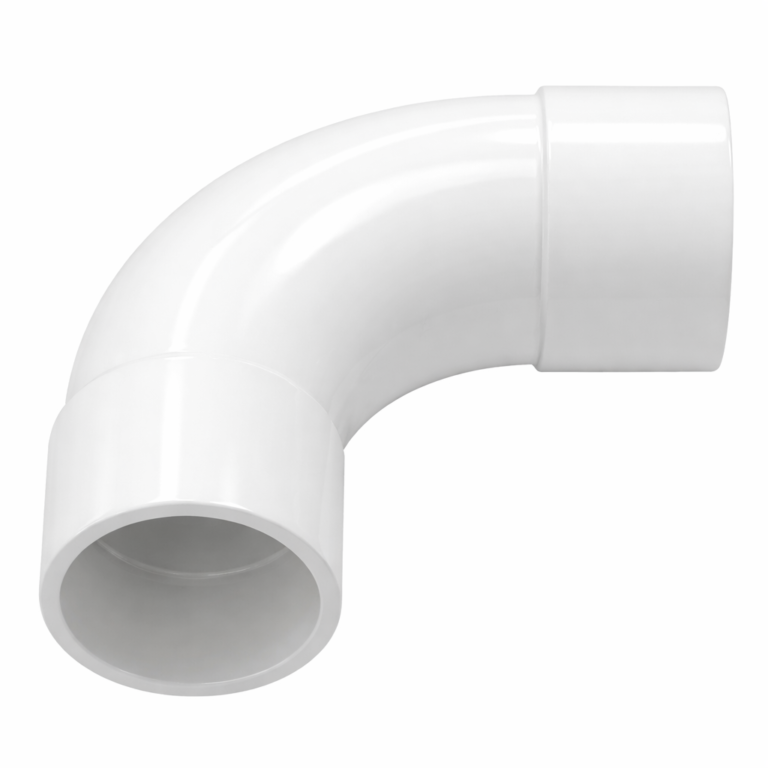
FRLS conduit systems protect cables by creating a physical pathway around the wiring. During installation, cables are routed through the conduit, while fittings and accessories help create continuous routes around bends, junctions, and connection points.
A properly selected conduit can help provide:
- Mechanical protection: Reduces exposure of cables to accidental impact, abrasion, and other physical stresses.
- Organised cable routing: Keeps electrical wiring in defined pathways.
- Insulation support: Non-metallic insulating conduits provide separation between wiring and surrounding building materials.
- Installation flexibility: Suitable sizes and fittings make routing easier in walls, ceilings, and other construction spaces.
- Long-term maintainability: Properly planned conduit routes can make cable inspection, replacement, or modification easier.
BIS testing information for IS 9537 Part 3 includes bending, compression, impact, collapse, heat, burning, electrical strength, and insulation-resistance tests.
Key Features to Look for When Choosing FRLS Conduit Pipes
Not every conduit is suitable for every project. Before selecting a product, procurement teams should evaluate its technical characteristics and intended application.
1. Compliance With Applicable Standards
For rigid insulating electrical conduits, IS 9537 is a key Indian Standard to consider. The applicable part and classification should match the actual conduit type and intended use.
BIS documentation identifies IS 9537 Part 3:1983 for rigid plain conduits made from insulating materials. It also distinguishes other conduit categories, including pliable conduit types under other parts of the standard.
2. Mechanical Strength
Conduits installed inside walls, ceilings, floors, or exposed construction areas may encounter different mechanical stresses. Buyers should consider compression, impact, bending, and collapse performance according to the installation environment.
3. Dimensional Consistency
Consistent diameter and wall thickness make installation more predictable. Poor dimensional control can create difficulties when inserting cables, joining conduits, or using compatible fittings.
4. Fire and Heat Performance
Where fire safety is a project priority, check the actual test classification and technical documentation instead of relying solely on the term “FRLS.”
5. Electrical Characteristics
The conduit should provide the required electrical properties for its intended application. BIS testing references for rigid insulating conduits include electric-strength and insulation-resistance tests.
How Austro Pipes Supports Safer Electrical Installations
Austro Pipes approaches conduit selection from a practical project perspective: the product needs to work reliably from procurement through installation and long-term use.
For builders and electrical contractors, choosing an experienced Electrical Conduit Pipe Manufacturer can simplify product selection by providing conduit solutions suited to different installation requirements.
Austro Pipes focuses on factors such as:
- Consistent product dimensions
- Suitable material characteristics
- Practical installation requirements
- Electrical wiring protection
- Availability across project requirements
- Compatibility with relevant accessories
- Quality-focused manufacturing processes
For buyers comparing ISI PVC pipe brands India, the decision should go beyond brand recognition. Checking applicable standards, test documentation, product classification, dimensions, installation requirements, and supplier consistency provides a more reliable basis for procurement.
Choosing the Right Conduit for Different Projects
The correct conduit depends on where and how the electrical system will be installed.
| Application | Important Selection Factors |
| Residential buildings | Cable protection, dimensions, ease of installation |
| Commercial buildings | Fire-performance requirements, routing, durability |
| Industrial facilities | Mechanical exposure, environmental conditions, load requirements |
| Infrastructure projects | Compliance, consistency, project specifications |
| Renovation work | Existing route compatibility and installation flexibility |
For example, a concealed residential wiring project may require a different conduit classification from an exposed industrial installation. Project specifications should therefore determine the selection rather than using one product category for every application.
Common Mistakes Buyers Should Avoid
Even a technically suitable conduit can perform poorly if it is incorrectly selected or installed.
Common mistakes include:
- Choosing only on the basis of low price
- Ignoring applicable standards
- Selecting an unsuitable conduit classification
- Using incorrect conduit sizes for the cable arrangement
- Overloading conduit pathways
- Using incompatible fittings
- Failing to protect conduit routes during construction
- Assuming every product marketed as FRLS has identical performance
- Not checking manufacturer documentation
A good procurement process should include product specifications, test requirements, project conditions, and installation practices.
How to Choose FRLS Conduit Pipe Manufacturers in India
When comparing FRLS conduit pipe manufacturers, buyers should use a structured checklist rather than relying on promotional claims.
Buyer Checklist
- Check applicable Indian Standards: Confirm which IS 9537 part and classification applies.
- Review technical documentation: Look for dimensions, material information, test results, and product classification.
- Evaluate mechanical performance: Consider bending, compression, impact, and other relevant requirements.
- Confirm fire-related claims: Verify the exact test basis for flame-retardant or low-smoke claims.
- Assess size availability: Ensure the required conduit sizes are available for the project.
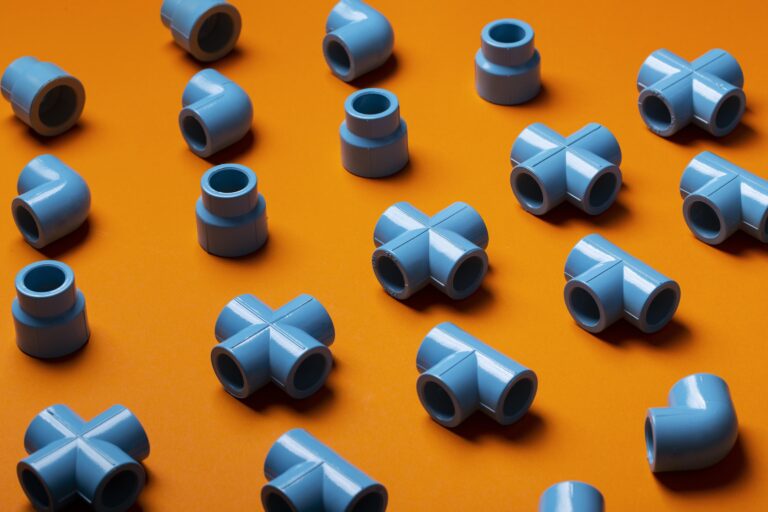
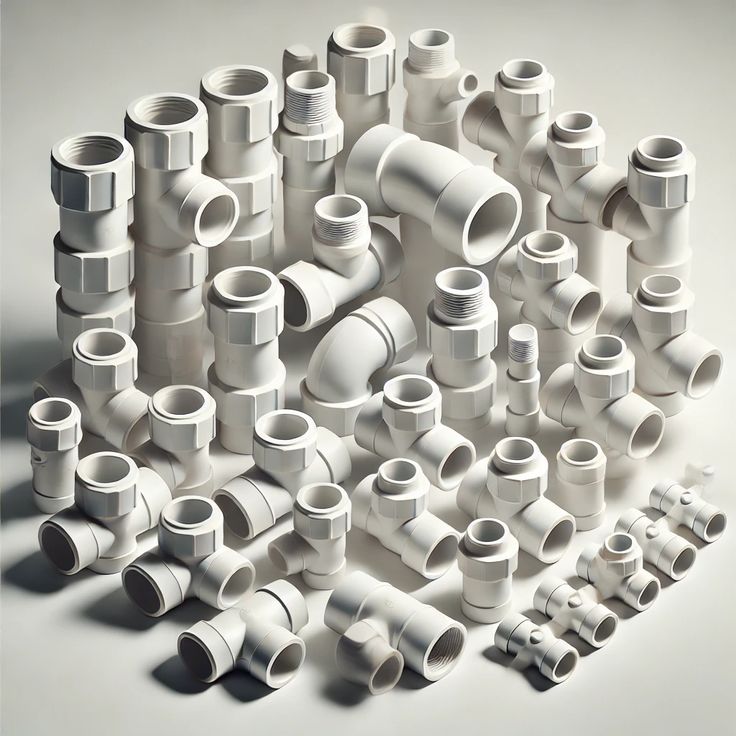
- Check accessory compatibility: Conduits, bends, junctions, and related components should work as a system.
- Consider supply consistency: Large construction projects need dependable product availability and consistent specifications.
- Match the product to the application: Underground, concealed, exposed, residential, commercial, and industrial conditions may require different considerations.
This approach can help contractors and procurement teams identify a Top electrical conduit pipe brand in India based on measurable product and supply factors rather than marketing language.
Why Product Quality Matters for Builders and Contractors
For construction companies, electrical conduit quality affects more than the wiring stage. Poor dimensional consistency or unsuitable mechanical performance can increase installation difficulties, material wastage, rework, and project delays.
Contractors also need products that are practical to cut, route, join, and install according to project drawings. Dealers and distributors, meanwhile, benefit from clear product specifications and a dependable product range that can serve different customer requirements.
Austro Pipes can be considered as part of a procurement evaluation when the project requires PVC electrical conduit solutions and the buyer wants to compare technical specifications, applicable standards, sizes, and application suitability.
Are FRLS Conduits the Same as FRLS Electrical Cables?
No. FRLS conduit and FRLS cable describe different products and functions. A cable carries electrical power or signals, while a conduit provides a protective pathway for the cable.
The FRLS designation should therefore be evaluated separately for the cable and conduit. Buyers should review the specific technical documentation and applicable standards for each product instead of assuming that the fire performance of one automatically applies to the other.
What Is the Cost of FRLS Conduit Pipes?
The price of an FRLS-oriented conduit depends on factors such as material formulation, conduit size, wall characteristics, classification, quantity, packaging, transportation, accessories, and project requirements.
For large orders, buyers should compare the total procurement value rather than simply selecting the lowest per-metre price. Product consistency, installation efficiency, wastage, accessory compatibility, and supply reliability can all influence the overall project cost.
Future of Safer Electrical Conduit Systems
Electrical installations are becoming increasingly complex as buildings incorporate more power-consuming equipment, automation, communication systems, security devices, and smart technologies.
This increases the importance of organised and adequately protected cable pathways. Future conduit selection is likely to place continued emphasis on material performance, fire-related characteristics, mechanical durability, compliance, installation efficiency, and compatibility with modern building requirements.
For manufacturers and buyers alike, the focus should remain on measurable product characteristics rather than broad marketing claims.
Conclusion
Selecting suitable electrical conduits is an important part of creating dependable wiring systems. FRLS conduit pipe manufacturers can support safer installations when their products are designed and tested for the required mechanical, thermal, fire-related, and electrical characteristics.
For Indian construction projects, buyers should verify the applicable IS 9537 requirements, product classification, dimensions, test documentation, and installation suitability before placing an order. Austro Pipes provides PVC conduit solutions for project teams evaluating electrical wiring protection requirements.
If you are planning a residential, commercial, industrial, or infrastructure project, discuss your required conduit sizes and application conditions with Austro Pipes before finalising procurement. Choosing the right specification at the beginning can make installation smoother and help create a more reliable electrical system. Learn more about suitable conduit solutions and product specifications to make an informed choice for your project.
Choose Reliable FRLS Conduit Solutions for Your Next Project
Looking for dependable electrical conduit solutions for your residential, commercial, or industrial project? Austro Pipes can help you select suitable conduit products based on your application, project requirements, and installation needs. Call us at +91 99495 04930 or email info@austropipes.com to discuss your requirements and get the right solution for your project.
Frequently Asked Questions
What does FRLS mean in electrical applications?
FRLS generally means Flame Retardant Low Smoke. It describes fire-related performance characteristics intended to reduce flame propagation and smoke generation under specified test conditions. However, buyers should verify the exact claim, test method, and product specification because FRLS performance can differ between products.
Are FRLS conduit pipes suitable for residential buildings?
They can be suitable when the product specification matches the residential installation requirements and applicable standards. The conduit size, classification, mechanical properties, installation method, and compatibility with the wiring system should all be checked before selection.
What standard applies to rigid PVC electrical conduits in India?
IS 9537 covers conduits for electrical installations. Part 3 addresses rigid plain conduits of insulating materials, while other parts address different conduit categories. Buyers should identify the applicable part and product classification for their specific conduit.
What should builders check before purchasing electrical conduit pipes?
Builders should check applicable standards, product classification, dimensions, mechanical performance, fire-related characteristics, electrical properties, manufacturer documentation, size availability, fitting compatibility, and supply consistency. Project specifications should always take priority over generic product descriptions.
How do conduits protect electrical cables?
Conduits create a physical pathway around electrical wires and cables. They help protect wiring from mechanical damage and keep cable routes organised. Depending on the material and design, they can also provide insulation and resistance to particular environmental or installation conditions.
How should contractors compare different conduit manufacturers?
Contractors should compare manufacturers using technical specifications, applicable standards, test documentation, product consistency, available sizes, accessory compatibility, supply capability, and suitability for the project environment. Comparing only prices can overlook factors that affect installation quality and long-term performance.
Is FRLS conduit the same as an FRLS cable?
No. An FRLS cable is an electrical cable with specified fire-related characteristics, while a conduit is a protective pathway for wiring. They serve different functions and should be evaluated against their respective product requirements and applicable standards.