UPVC Pipe Fittings Manufacturers: Why Socket Accuracy Prevents Water Leakage
Water leakage in piping systems is one of the most common problems faced in residential, agricultural, and industrial installations. Even a small leakage can lead to water wastage, pressure drop, and long-term damage to the entire pipeline network. One of the most important factors that ensures a leak-free system is socket accuracy in fittings. This is why the role of UPVC pipe fittings manufacturers becomes extremely important in delivering precise and durable piping solutions.
In modern plumbing systems, the quality of socket design determines how effectively two pipes join together. If the socket is not accurately designed, no matter how good the installation is, leakage problems will eventually appear. This is where manufacturing precision makes all the difference.
Importance of Socket Accuracy in UPVC Fittings
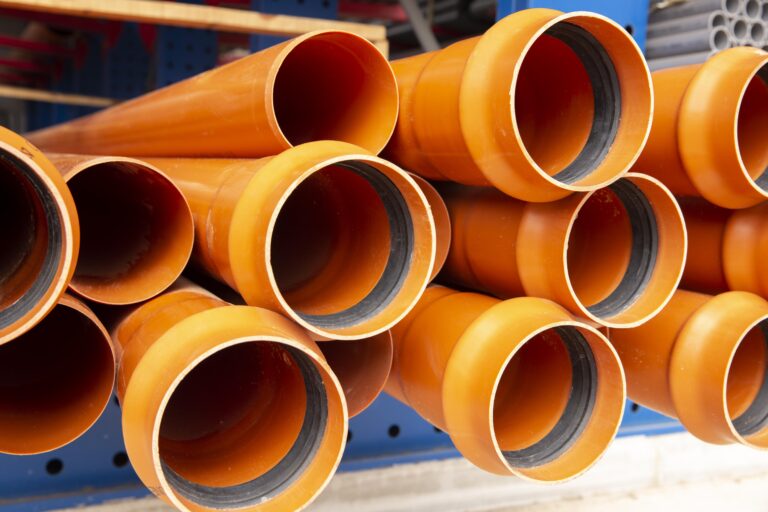
Socket accuracy refers to the exact internal and external dimensions of pipe fittings where pipes are joined using solvent cement. When the socket is manufactured with high precision, it ensures a tight and uniform grip on the pipe surface.
Leading UPVC pipe fittings manufacturers focus heavily on dimensional accuracy because even a slight variation can lead to improper bonding. A well-designed socket allows the pipe to sit perfectly inside the fitting, ensuring a uniform layer of solvent cement that creates a strong chemical bond.
On the other hand, inaccurate sockets can result in uneven bonding, weak joints, and eventual leakage under pressure. This is why precision engineering is the foundation of reliable piping systems.
How Socket Inaccuracy Leads to Leakage Problems
Leakage in UPVC pipelines often begins at the joint level. When sockets are too loose, the pipe does not form a proper seal, leaving tiny gaps where water can escape. When sockets are too tight, they can damage the pipe surface during insertion or prevent proper cement distribution.
High-quality UPVC pipe fittings manufacturers avoid these issues by maintaining strict production tolerances. They ensure that every fitting is tested for dimensional stability so that installation becomes smooth and leak-free.
Over time, poor socket design can lead to:
- Gradual water seepage at joints
- Pressure loss in the system
- Structural weakening of pipelines
- Higher maintenance and repair costs
These issues highlight why manufacturing quality cannot be ignored.
Role of Manufacturing Precision in Pipe Systems
The durability of any piping system depends on how precisely the fittings are manufactured. Modern production techniques used by UPVC pipe fittings manufacturers include automated injection molding and advanced calibration systems to ensure consistency.
Precision manufacturing ensures that every socket is identical, which helps in large-scale installations where multiple joints are involved. This uniformity reduces installation errors and improves overall system reliability.
In addition, high manufacturing standards help maintain:
- Consistent wall thickness across fittings
- Better pressure resistance
- Strong chemical bonding with solvent cement
- Long-term durability under varying conditions
These factors are essential for both domestic and industrial piping systems.
UPVC Material Strength and Its Impact on Socket Quality
UPVC (Unplasticized Polyvinyl Chloride) is known for its strength, chemical resistance, and long service life. However, the performance of UPVC fittings largely depends on the quality of raw materials used.
A reliable UPVC pipe manufacturer ensures that the material is free from impurities and properly processed to maintain structural integrity. Clean and high-grade UPVC allows better molding accuracy, which directly improves socket performance.
UPVC also offers advantages such as corrosion resistance, smooth internal flow, and resistance to harsh chemicals. These properties make it ideal for water distribution, irrigation systems, and industrial pipelines.
Importance of Quality Standards in Manufacturing
Quality control is a major part of the production process in the piping industry. Reputed UPVC pipe fittings manufacturers follow strict international standards to ensure product reliability.
These standards help maintain consistency in:
- Product dimensions
- Pressure handling capacity
- Temperature resistance
- Material composition
By following these standards, manufacturers ensure that every fitting performs efficiently under real-world conditions.
This is also why customers prefer branded products over unverified alternatives, as poor-quality fittings often lead to frequent system failures.
Growing Demand for Reliable Pipe Fittings in India
India’s infrastructure development has significantly increased the demand for durable piping systems. From agriculture to urban housing projects, the need for reliable water transport solutions is growing rapidly.
As a result, the market for pipe fittings manufacturers in India has expanded considerably. Customers are now more aware of quality differences and prefer products that offer long-term reliability rather than short-term savings.
Modern buyers focus on:
- Durability and performance
- Leak-proof assurance
- Brand trust and certification
- Low maintenance requirements
This shift in preference is pushing manufacturers to continuously improve product quality.
Installation Factors and Their Connection with Socket Design
While installation plays a role in system performance, the design of the socket determines how easy and effective the installation will be. A well-designed socket reduces the chances of human error during fitting.
Experienced UPVC pipe fittings manufacturers design their products in a way that simplifies installation. Proper socket depth and diameter ensure smooth pipe insertion without excessive force, allowing solvent cement to spread evenly.
This reduces installation time and improves the strength of the joint significantly. Even in large projects, proper socket design helps maintain uniform quality across the entire pipeline system.
Testing Methods to Ensure Leak-Free Performance
Before reaching the market, each fitting undergoes multiple quality tests to ensure reliability. These tests help detect any dimensional or structural defects that could lead to leakage.
Reputed pipe fittings manufacturer companies use advanced testing techniques such as pressure testing, dimensional analysis, and leakage detection systems.
These tests simulate real-world conditions to ensure that fittings can withstand high pressure and continuous usage without failure, making them reliable CPVC Pipe Solutions for Hot Water Lines.
By eliminating defective products at the production stage, manufacturers ensure long-term system safety and performance.
Applications of UPVC Pipe Fittings
UPVC pipe fittings are widely used across various sectors due to their durability and versatility. They are commonly used in residential plumbing systems, agricultural irrigation, industrial fluid transport, and water treatment plants.
In all these applications, socket accuracy plays a critical role in ensuring system efficiency. Even a minor leakage can disrupt operations, making precision manufacturing extremely important.
This is why UPVC pipe fittings manufacturers focus on delivering products that meet diverse application needs while maintaining high quality standards.
Technological Advancements in Manufacturing
With increasing demand, manufacturers are adopting advanced technologies to improve product quality. Automation, precision molding, and computer-controlled quality checks have significantly improved socket accuracy.
Modern UPVC pipe fittings manufacturers are also focusing on eco-friendly production methods and energy-efficient manufacturing processes. These advancements not only improve product quality but also reduce environmental impact.
Continuous innovation ensures better performance, longer lifespan, and improved safety of piping systems.
Conclusion
Socket accuracy is one of the most important factors in preventing water leakage in UPVC piping systems. Even the smallest manufacturing defect can lead to long-term performance issues. That is why choosing the right manufacturer plays a crucial role in system reliability.
High-quality UPVC pipe fittings manufacturers ensure precise socket design, strict quality control, and advanced production techniques to deliver leak-free and durable piping solutions. Their attention to detail helps reduce maintenance costs, improve system efficiency, and ensure long-lasting performance.
As infrastructure continues to grow, the demand for reliable and high-precision fittings will only increase. This makes manufacturing quality a key factor in building sustainable and efficient water management systems.
Connect With Us for Reliable Piping Solutions
Looking for durable and efficient piping solutions for your project? Get in touch with our team to explore high-quality products designed for long-lasting performance and safety. Learn more about our offerings and choose the right solution for your needs.
Call us: +91 99495 04930
Email: info@austropipes.com
Frequently Asked Questions
What is socket accuracy in piping systems?
Socket accuracy refers to the precise dimensions of a fitting’s connection point, ensuring a secure fit between components and reducing the risk of leakage.
Why do pipe joints start leaking over time?
Pipe joints may leak due to improper installation, dimensional inconsistencies, excessive pressure, material wear, or inadequate bonding during assembly.
How can water leakage affect pipeline performance?
Water leakage can reduce system pressure, increase water wastage, raise maintenance costs, and decrease the overall efficiency of the distribution network.
What factors contribute to strong and durable pipe connections?
Accurate dimensions, proper alignment, quality materials, correct installation methods, and suitable bonding agents all contribute to stronger pipe connections.
Are leak-resistant fittings important for irrigation systems?
Yes, leak-resistant fittings help conserve water, maintain consistent flow, improve irrigation efficiency, and support better resource management in agricultural applications.
How often should piping systems be inspected for maintenance?
Regular inspections should be conducted based on system usage and operating conditions to identify wear, detect leaks early, and prevent costly repairs.