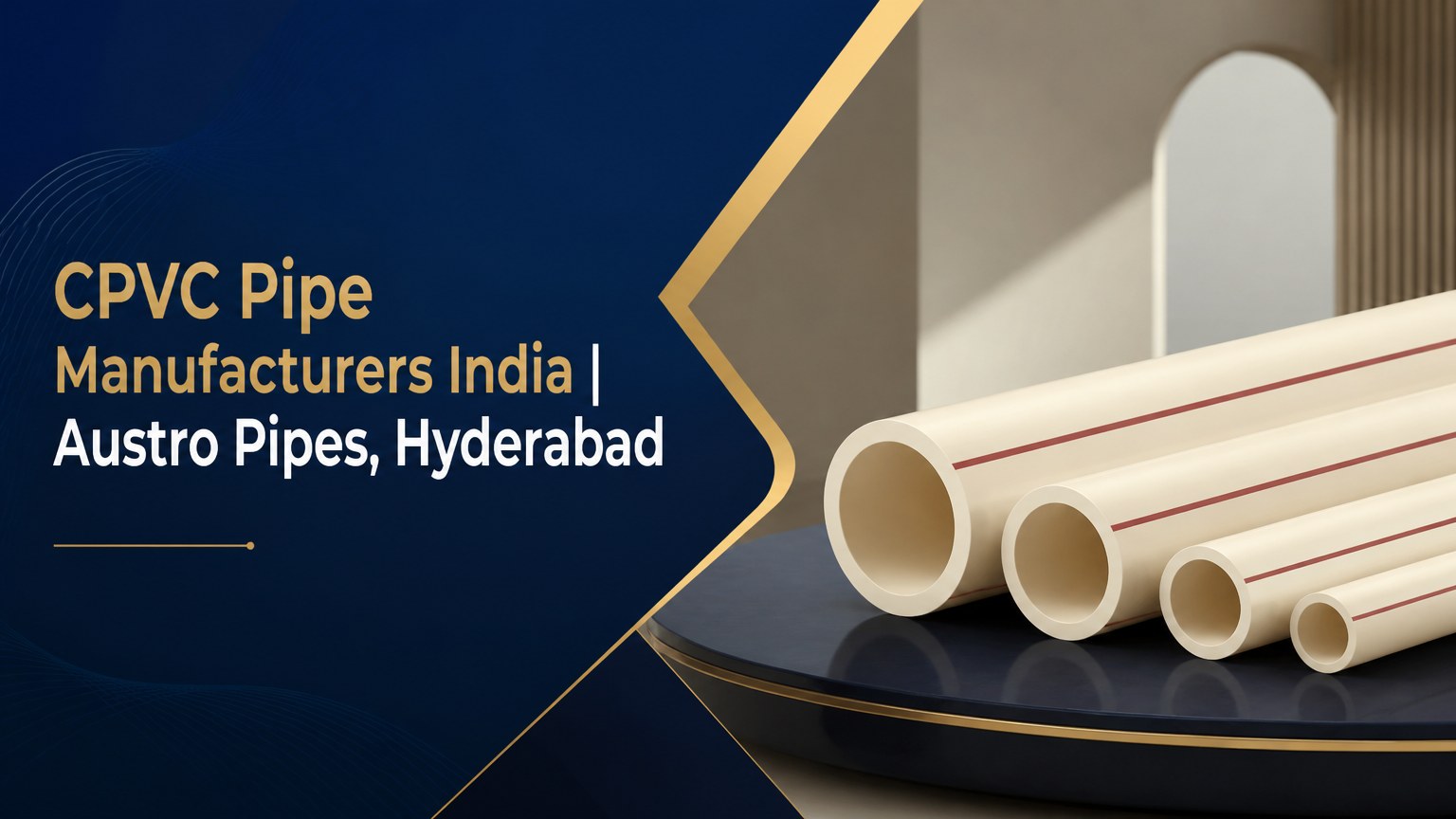
CPVC Pipe Manufacturers in India: What to Check Before You Buy
Choosing a CPVC pipe manufacturer is mostly a paperwork and fit question. The pipe itself looks similar from one supplier to the next, so the differences show up in markings, documents, product range and how well the supplier supports your project. This guide covers what to check before you place an order.
Quick answer
Shortlist manufacturers who can show valid certification for the standard that applies to CPVC pipes, mark every pipe clearly, supply the fittings that match, and give you the technical documents you ask for. Then match the product to the job and follow the manufacturer’s installation instructions.
Start with the application
CPVC is commonly used for hot and cold water lines in homes and commercial buildings. Other jobs, such as irrigation, drainage or wiring, need different pipe types. Write down what the pipe will carry, where it will run and who will install it. That one step stops most wrong orders, because it tells you which product category you actually need.
What to check on the manufacturer
- Certification: ask for the current licence and quality certificates and check that they cover the product you are buying, not only the company.
- Marking: a genuine pipe carries clear, readable markings along its body. Faded or missing marks are a reason to ask questions before buying.
- Matching fittings: pipes and fittings should come from a system designed to work together. Ask whether the supplier makes both.
- Product range: a supplier that also makes UPVC, SWR, agriculture and conduit pipes can cover several parts of a project in one order.
- Documents: request test certificates and technical data sheets for the batch you will receive.
- Support: find out how the supplier handles questions, replacements and delivery to your location.
Compare suppliers side by side
| Question | What a good answer looks like |
|---|---|
| Which standard does this pipe follow? | A named standard, shown on the pipe and in the paperwork |
| Can I see the test records? | Yes, with batch details |
| Do you supply matching fittings? | Yes, from the same product system |
| How should the pipe be joined? | Clear instructions from the manufacturer |
| Who do I contact after delivery? | A named team or contact |
Installation and jointing
Even a good pipe fails if it is joined badly. Use the solvent cement and tools the manufacturer recommends, and follow their guidance on preparation, curing and testing. Do not rely on rules of thumb from other pipe types. If your installer has questions, ask the manufacturer directly.
Local supply matters
For a live project, a manufacturer who can deliver to your area and answer questions quickly saves more time than a small difference in price. Austro Pipes is a Hyderabad manufacturer that makes CPVC, UPVC, SWR, agriculture pipes and electrical conduit, so buyers in the region can discuss several needs with one supplier.
FAQs
What is CPVC pipe used for?
It is widely used for hot and cold water plumbing in buildings. Check the product data sheet for the uses the manufacturer recommends.
How can I tell if a CPVC pipe is genuine?
Look for clear markings on the pipe, ask for certificates, and buy from a supplier who can show documents for the batch.
Should I buy pipes and fittings from the same manufacturer?
Usually yes. A matched system reduces fit problems and makes it easier to get support.
Can I use CPVC for irrigation or drainage?
Those jobs normally use other pipe types made for them. Choose the pipe by application.
How do I get advice for my project?
Share your application and site details with the manufacturer and ask for a recommendation in writing. You can contact Austro Pipes through the website.