Why Agriculture PVC Pipes Are Essential for Efficient Water Management
Best agriculture pvc pipe selection affects the stability of flow from the source to the farm, amount of pressure, and water saved. In cases where there is unpredictable rainfall and expensive pumping rates, the use of such pipes becomes necessary for easy water handling.
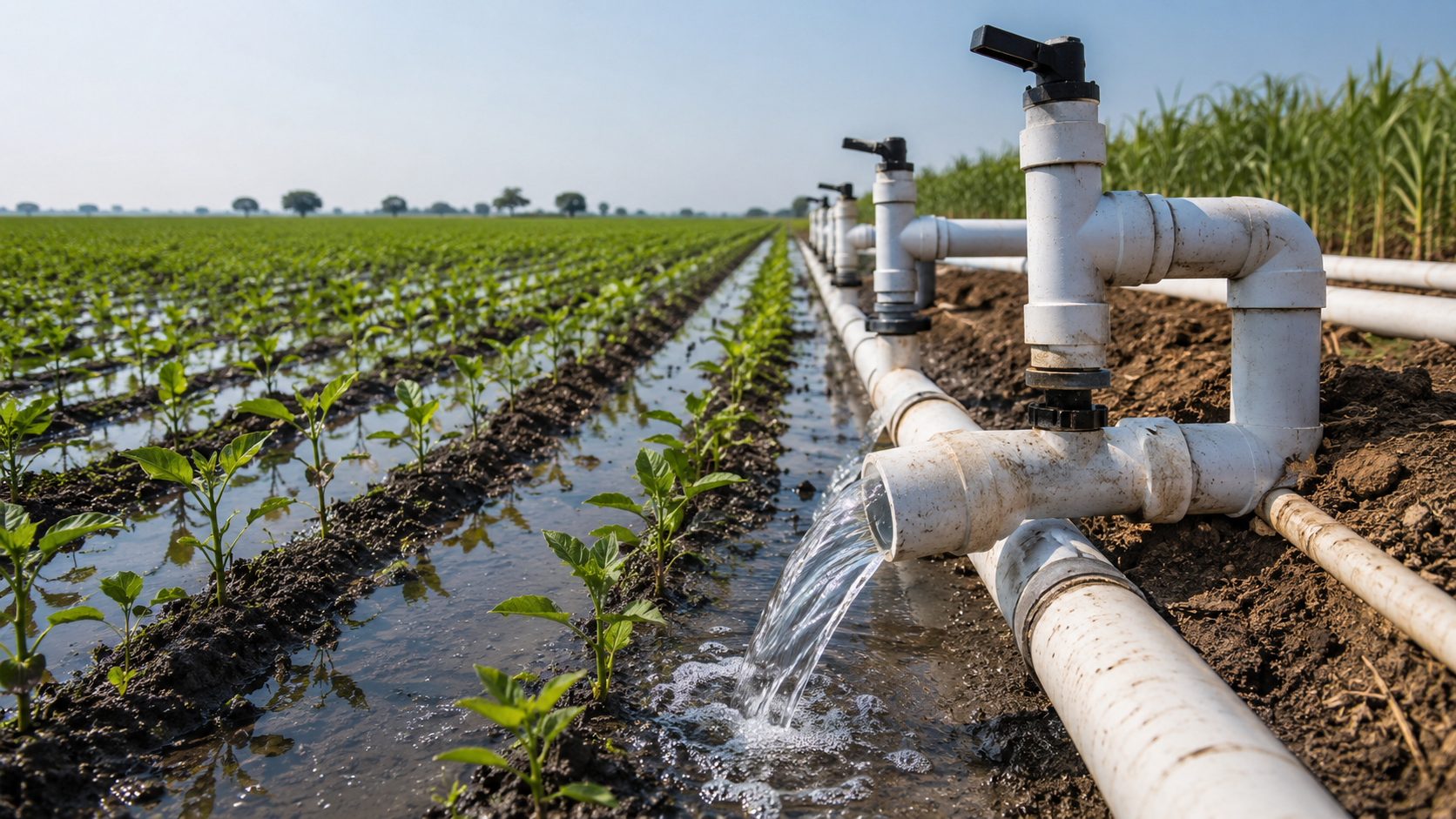
The pipes are extensively used due to their lightweight, strength, non-corrosive nature, and functionality. They transport water from borewells, canals, tanks, and pumps to rows of crops without losing too much through leaking channels.
Why Efficient Water Movement Matters on Farms
The availability of water in sufficient amounts on farms is uncommon. Whereas some farms encounter problems of drought, other farms have trouble with water distribution. Pipes play a crucial role in ensuring that water does not escape through either wastage or insufficiency.
The most effective pipes in agricultural irrigation should ensure consistent water flow and prevent leakage, cracking, and reduction in water pressure since all these factors result in costly consequences such as wasted pumping hours, increased consumption of energy, and stressful irrigation seasons.
Efficient piping helps farmers irrigate selected zones instead of flooding entire fields. This is useful for mixed cropping, orchards, nurseries, and vegetable farms.
Key Benefits of PVC Pipes in Agriculture
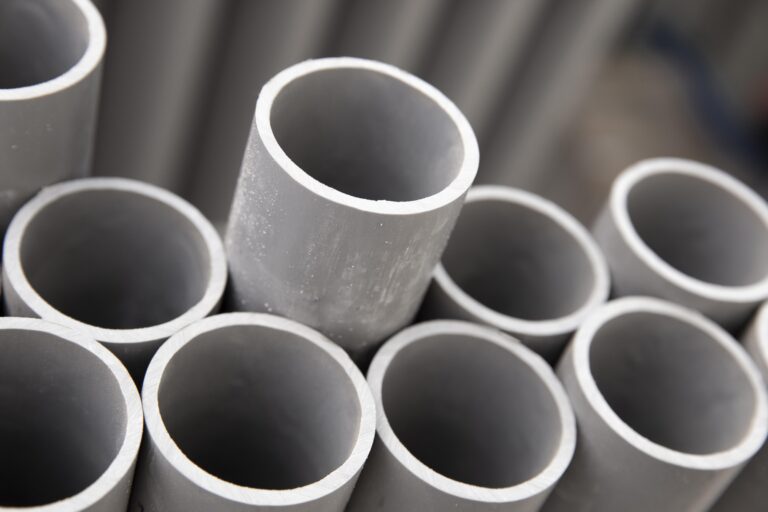
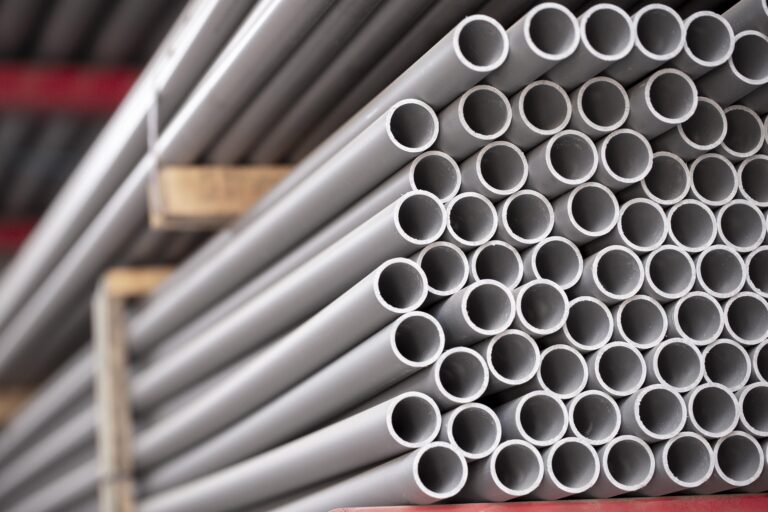
The best agriculture pvc pipe offers a useful balance of durability, affordability, and ease of handling. Unlike metal pipes, PVC does not rust in moist soil or react easily with common agricultural conditions. That makes it suitable for field installation.
The inner surface of PVC pipes is also smooth; therefore, the flow of water occurs smoothly due to the reduced friction between surfaces. This allows the farmer to ensure more even irrigation when selecting proper diameter and pressure. PVC pipes may be used for different purposes in the irrigation system – from main to suction lines and even sprinklers. The best agriculture PVC pipe offers a useful balance of durability, affordability, and ease of handling.
Another useful feature is that these pipes are easier to move, cut, and repair. It simplifies the installation process in rural places.
Reducing Water Loss Through Better Pipe Networks
Water loss is one major challenge that faces agricultural activities through the use of open systems, leakages in pipes, and faulty fittings. Any loss of water before reaching the farm makes pumping water expensive for the farmers.
Quality pipes can assist with getting water nearer to its destination on the farm. Leakage and wastage of water will be minimized if the joints are fitted right and the design is appropriate, and this allows the farmer to utilize the limited resources effectively during dry seasons.
Installation of the pipes makes it possible for the installation of additional components such as pressure controllers and filters.
Supporting Modern Irrigation Systems
Farmers have increasingly been adopting more accurate irrigation methods, and using PVC pipes suits such a change. For instance, drip irrigation systems require accurate and consistent pressure. If the main line pipe is unreliable, leaky, or of the wrong size, it is likely that the entire system will not work effectively.
The most reliable agricultural pvc pipe plays an important role as the foundation of modern irrigation. The irrigation system uses the pipes to transport water to the sub-main lines, filters, laterals, sprinklers, rain gun, or fertilizer injection. With appropriate planning, one can distribute water differently.
This flexibility is valuable for crops that need careful moisture control, such as fruits, vegetables, cotton, sugarcane, and nursery plants. Good piping helps farmers apply field knowledge more accurately.
Choosing the Right Pipe for Field Conditions
Not every farm needs the same pipe. The best agriculture pvc pipe should match the farm’s water source, pump capacity, distance, soil condition, and operating pressure. A narrow pipe may cause friction loss, while a low pressure rating may fail with a powerful pump.
Farmers should check diameter, wall thickness, pressure class, joint quality, and supplier reliability before buying. Farmers can also compare product quality, certifications, pressure ratings, and support offered by the Top PVC Pipe Manufacturers in India before making a final purchase decision. For certain high-performance applications, a pvc-o pipe may be considered because it offers strength with relatively lower weight. Still, the choice should depend on field conditions, not only product claims.
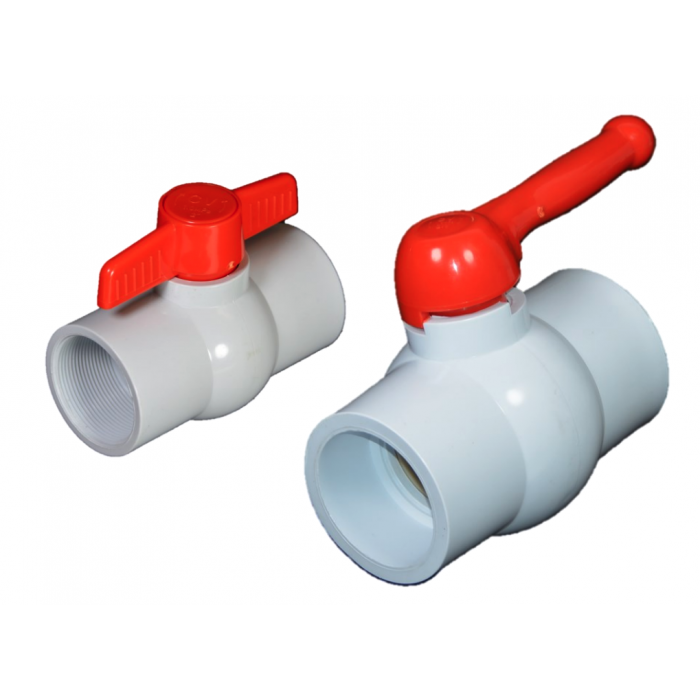
Good fittings are just as important as good pipes. Weak bends, loose joints, and poor valves can reduce the performance of an otherwise reliable system.
Durability and Long-Term Value
Pipe systems for agricultural purposes must endure harsh treatment, sunlight, soil disturbances, vibrations caused by pumps, and seasonal variation in temperatures. If you install a lower quality pipe, it will likely get cracks, leaks, or become weaker sooner than you expect. It is therefore important to understand how to identify reliable PVC pipe manufacturers by checking their certifications, manufacturing standards, industry experience, and after-sales support. Most such problems arise during flowering, fruit production, or during summer irrigation.
If you want to know what is the best agriculture pvc pipe, then remember that this type of pipe should be durable enough to resist all stresses of regular use in field conditions. The pipe should withstand underground burial as well as proper installation to increase durability.
In spite of its higher initial cost, this kind of pipe will save your money on frequent repairs.
Better Planning for Water Management
PVC piping system provides the farmers with greater control when irrigating crops on their farms. Instead of simply going by estimations or uncontrolled water flows, the farmers can distribute the water based on the stage of the plants, moisture levels in the soil, and other important factors.
Additionally, a well-planned agricultural PVC piping system is very easy to develop further. The farmer could start out by installing the pipes for basic water distribution, but could later install sprinklers, valves, filters, or any other equipment. Once the pipe system has been installed, adding anything else becomes much simpler.
The planning process will be particularly valuable for farms wishing to increase production while keeping the same amount of water.
Practical Installation and Maintenance Tips
Before installation, farmers should map the field and identify the main water source, slope, distance, and crop zones. The best agriculture pvc pipe will perform better when the system layout avoids unnecessary bends, sudden elevation changes, and undersized sections.
Pipes should be joined with compatible fittings and proper techniques. If pipes are buried, the trench should be prepared to prevent sharp stones or pressure points from damaging the line. Exposed sections should be checked regularly for cracks, loose connections, or accidental impact.
Maintenance can stay simple. Seasonal inspection before peak irrigation can catch leaks, clogged filters, or weak joints early. Small repairs made on time can prevent larger failures later.
Conclusion
A well-managed irrigation process requires that the water be transferred efficiently and with the least losses. The use of PVC pipes makes it possible. These pipes are easy to work with, are not susceptible to corrosion, and suit various farm sizes, including gardens and agricultural lands. An effectively laid-out system of pipes will enable farmers to regulate water pressure and minimize losses while directing the water to those parts of the land that require it most even in difficult weather conditions. It will also accommodate future modifications, such as valves, water filtration, automatic watering, etc. Effective PVC irrigation pipes are not necessarily those that are most expensive; they are those that match pressure, length, type of soil, and crop requirements of particular farms. Properly selected and installed pipes should be regularly inspected and tested for any potential problems.
Frequently Asked Questions
1. Why are PVC pipes commonly used in agriculture?
PVC pipes are popular because they are lightweight, corrosion-resistant, affordable, and easy to install. They help move water efficiently from pumps or storage sources to crop areas, making irrigation more controlled and reducing the chance of leakage during regular farm use.
2. How do farmers choose the right pipe size?
Pipe size depends on water flow, pump capacity, field distance, pressure needs, and crop layout. Longer lines may need wider pipes to reduce friction loss. Farmers should avoid guessing and choose sizes based on actual irrigation demand.
3. Can PVC pipes be installed underground?
Yes, PVC pipes can be installed underground if the trench is prepared properly. Underground placement protects pipes from sunlight, machinery impact, and accidental damage. Good bedding, correct depth, and careful backfilling help improve long-term pipe performance in active fields.
4. Does pipe quality affect irrigation efficiency?
Yes, pipe quality affects how evenly and reliably water reaches the field. Poor pipes may leak, lose pressure, or fail early. A dependable system helps crops receive consistent moisture and reduces unnecessary pumping, repairs, and water loss.
5. What makes the best agriculture pvc pipe a smart investment?
The best agriculture pvc pipe offers dependable flow, lower leakage risk, easier installation, and long service life. It helps farmers save water, reduce repair work, and maintain smoother irrigation across different crops, seasons, soil types, and field conditions.