Why SN-4 Form Core Pipe Supports Reliable Buried Underground Drainage Applications
SN-4 form core pipe for underground drainage systems is an important option for projects that need dependable underground wastewater and drainage arrangements. Whether you are planning drainage for a residential building, commercial property, industrial site, or infrastructure project, choosing the right pipe is essential for long-term performance.
Underground drainage pipes work in conditions that are different from above-ground plumbing. Once installed, they remain below the surface and are exposed to soil pressure, surrounding loads, moisture, and changing ground conditions. Replacing a damaged underground pipe can also involve excavation, additional labour, and project delays. Therefore, choosing a reliable Form Core Pipe SN Manufacturer is important to ensure suitable pipe strength, structural stability, and long-term performance in underground drainage applications.
Understanding SN-4 Form Core Pipe for Underground Drainage Systems
Before selecting a drainage pipe, it is important to understand what makes its construction suitable for underground use.
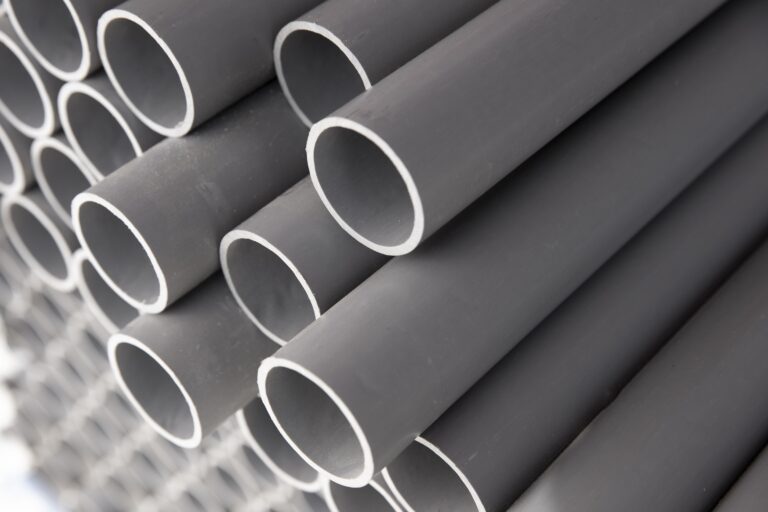
An SN4 form core pipe is a structured pipe designed with a specific wall construction. Unlike conventional solid-wall pipes, structured wall pipes use a designed wall profile to achieve the required strength and stiffness while managing material use.
The term SN4 refers to a nominal ring stiffness class of 4 kN/m². Ring stiffness describes a pipe’s resistance to deformation when external forces act on it. This property is particularly important when pipes are installed underground.
The form core construction is intended to provide a balance between structural performance and material efficiency. However, actual performance depends on the pipe material, wall design, manufacturing quality, and installation conditions.
Why SN-4 Form Core Pipe for Underground Drainage Systems Is a Suitable Choice
Underground drainage systems need pipes that can handle the conditions around them after installation. Soil pressure, traffic loads, installation depth, and ground conditions can all influence pipe performance. Choosing products from reliable PVC pipe manufacturers company in India helps ensure that the drainage system meets the required strength, durability, and application-specific performance standards.
A properly selected SN4 pipe can be suitable for buried drainage projects when its specifications match the site requirements.
Here are some important reasons why this pipe category is considered for underground drainage applications.
1. Designed to Handle External Soil Pressure
Once a drainage pipe is buried, the surrounding soil creates external pressure on its walls. The amount of pressure depends on factors such as burial depth, soil type, groundwater conditions, and surface loading.
The ring stiffness of a pipe helps determine how well it resists deformation under these external forces.
An SN 4 drainage pipe provides a defined stiffness classification that helps engineers and contractors evaluate its suitability for particular underground installations.
However, the SN4 classification alone does not guarantee suitability for every burial depth or loading condition. Proper installation design remains important.
2. Structured Wall Construction
The wall structure is another important feature to consider when choosing drainage pipes.
A structured wall drainage pipe uses a specially designed wall profile rather than relying only on a solid-wall construction. This design can help achieve the required stiffness with efficient material distribution.
For drainage projects, the wall construction should be consistent and manufactured according to the required specifications.
Buyers should check the manufacturer’s technical information to understand the pipe structure, dimensions, and performance characteristics before ordering.
3. Suitable for Different Underground Drainage Projects
Different projects have different drainage requirements. A residential building may need a smaller underground wastewater network, while a commercial or industrial development may require a larger drainage arrangement.
A properly specified SN4 pipe can be considered for suitable buried applications, including:
- Residential building drainage networks.
- Commercial property drainage systems.
- Underground wastewater collection lines.
- Suitable stormwater drainage arrangements.
- Institutional and infrastructure drainage projects.
The final selection of the SN-4 form core pipe for underground drainage systems should depend on the expected flow, pipe diameter, installation conditions, and applicable project specifications.
4. Supports Efficient Material Utilisation
Material efficiency is an important consideration in modern pipe manufacturing.
The structured construction of a form core pipe can help achieve the required performance without depending entirely on a thick solid wall. This can support efficient material use while maintaining the intended structural properties.
For project owners, this makes it useful to compare pipe design, weight, handling requirements, and technical performance rather than selecting products based only on their appearance or initial price.
Important Features of an SN4 Form Core Pipe
When comparing drainage pipes, buyers should look beyond the product name. Understanding the main technical features helps contractors and project managers make better purchasing decisions. Similarly, evaluating products from reliable PVC casing pipe manufacturers India helps buyers assess material quality, dimensional accuracy, durability, and suitability for specific project requirements before making a purchase.
Ring Stiffness Classification
Ring stiffness is one of the most important properties of an underground drainage pipe. It indicates the pipe’s resistance to deformation under external loading.
The SN4 classification represents a nominal ring stiffness of 4 kN/m². It provides a useful reference when comparing pipes for applications where the specified stiffness class is required, making it an important consideration when selecting an SN-4 form core pipe for underground drainage systems.
Consistent Wall Structure
A properly manufactured structured wall pipe should have a consistent wall profile and dimensions. Manufacturing consistency is important because variations can affect product quality and installation compatibility.
Joint Compatibility
Underground drainage systems often contain several pipe sections connected through suitable joints. Proper joint compatibility helps create a continuous drainage network.
Before purchasing, check the available jointing arrangements, sealing requirements, and compatibility with the fittings specified for the project.
Dimensional Accuracy
Correct diameter, length, and dimensional tolerances are important for smooth installation. Buyers should confirm that the supplied pipe dimensions match the project drawings and technical requirements.
Where Is an Underground Sewer Pipe SN4 Commonly Used?
An Buried sewer pipe SN4 may be considered for projects that require a suitable stiffness class for buried wastewater and drainage networks.
Its application depends on the design requirements and the conditions at the installation site.
Some common project areas include:
Residential developments: Housing societies and individual residential buildings require underground drainage networks to collect and transport wastewater.
Commercial buildings: Offices, shopping complexes, and business properties need properly planned drainage arrangements to manage wastewater from different sections.
Industrial facilities: Industrial sites may require underground drainage networks for suitable wastewater streams. The pipe material and chemical compatibility must be checked against the actual wastewater characteristics.
Institutional projects: Schools, hospitals, and other large facilities need organised drainage systems that can support regular wastewater collection.
For all these applications, the pipe should be selected according to engineering calculations, applicable standards, and installation requirements.
How to Choose the Right Form Core Pipe for Buried Drainage
Choosing the right pipe involves more than checking its stiffness classification. A reliable drainage installation starts with understanding the site and project requirements. Working with an experienced SWR pipe manufacturer also helps buyers select suitable piping solutions based on application requirements, material quality, dimensional specifications, and long-term drainage performance.
Here are some important points to consider before placing an order.
1. Understand the Installation Conditions
Start by checking the expected burial depth, soil characteristics, groundwater level, and possible surface loads.
These conditions influence the external pressure acting on underground pipes. A pipe that works well in one installation may not be suitable for another with different loading conditions.
2. Check the Required Pipe Diameter
Pipe diameter should be selected according to the expected wastewater flow and drainage design.
Using an unsuitable diameter can affect the performance of the complete drainage network. Always follow the hydraulic calculations and specifications prepared for the project.
3. Review Product Specifications
Ask the manufacturer for complete technical information, including:
- Nominal diameter and available lengths.
- Ring stiffness classification.
- Wall construction and dimensions.
- Material specifications.
- Jointing and sealing arrangements.
- Applicable product standards and test details.
These specifications help buyers compare different products more accurately.
4. Check Manufacturing Quality
Consistent manufacturing quality is important for underground drainage installations.
Inspect the pipe surface, dimensions, wall profile, and overall finish. You should also ask the manufacturer about quality-control procedures and relevant test reports.
5. Follow Correct Installation Practices
Even a good-quality pipe may not perform as expected if it is installed incorrectly.
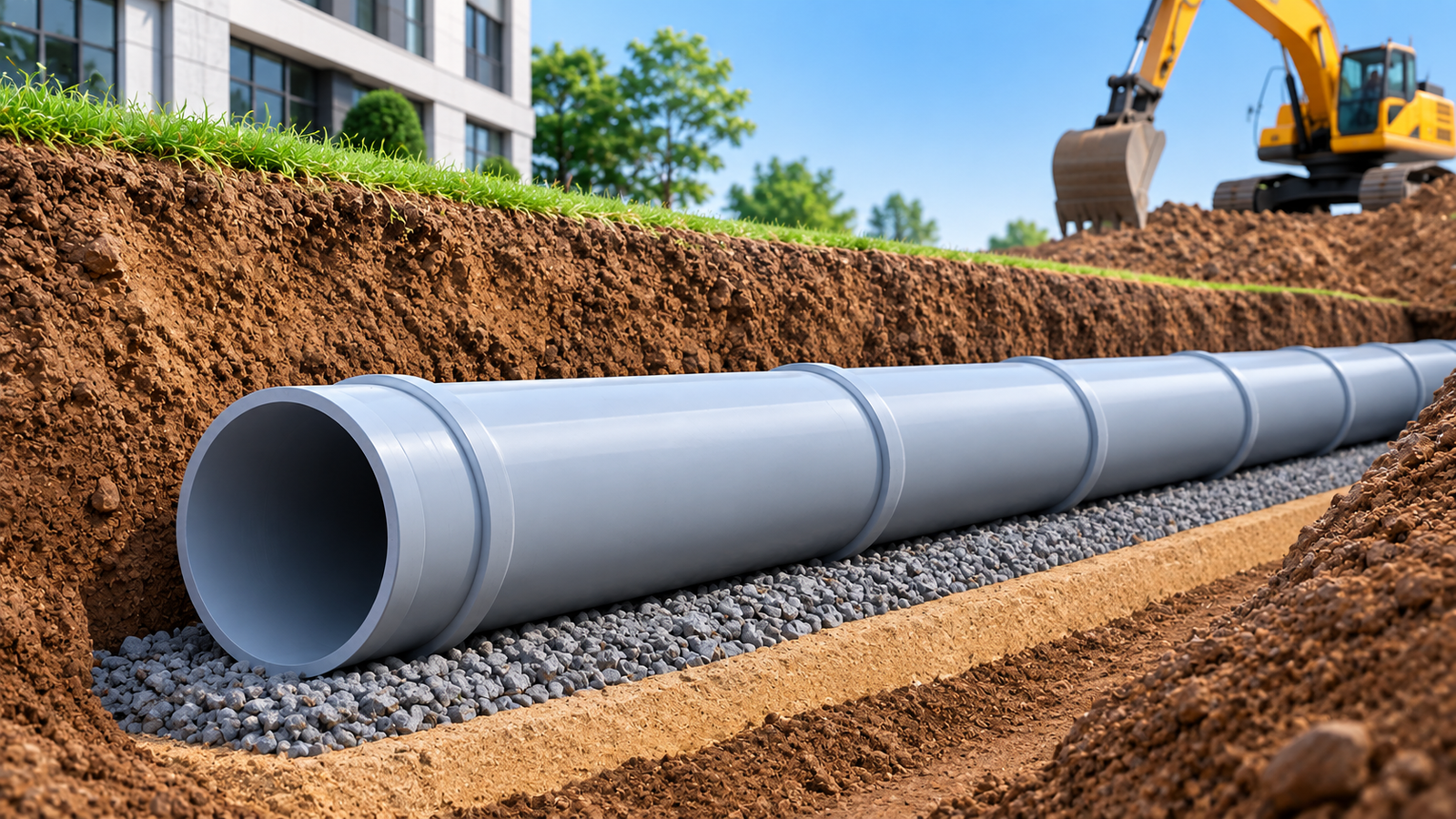
Proper trench preparation, bedding, alignment, jointing, and backfilling are essential. Suitable surrounding material and compaction methods should be selected according to the installation design and manufacturer’s recommendations.
For a form core pipe for underground drainage, correct installation is particularly important because the pipe and surrounding soil work together to manage external loads.
Final Thoughts
Choosing the right drainage pipe is an important step in building a dependable underground drainage network. SN4 form core pipes offer a structured wall design and a defined stiffness classification for suitable buried applications.
Before making a purchase, check the technical specifications, installation conditions, and manufacturer’s quality information. Choosing the right SN-4 form core pipe for underground drainage systems, combined with proper installation, can support reliable underground drainage performance.
Choose the Right Drainage Pipe for Your Project
Looking for reliable drainage piping solutions for your project? Connect with AustroPipes to understand the available product options, technical specifications, and application requirements. Get in touch with our team to discuss your requirements and make an informed purchasing decision.
Phone: +91 99495 04930
Email: info@austropipes.com
Visit AustroPipes to learn more about our piping solutions.
Frequently Asked Questions
1. What is an SN4 form core pipe used for?
An SN4 form core pipe is used in suitable underground drainage applications where a nominal ring stiffness class of 4 kN/m² is specified. Its suitability depends on burial depth, soil conditions, and external loading.
2. What does SN4 mean in an SN 4 drainage pipe?
An SN 4 drainage pipe has a nominal ring stiffness classification of 4 kN/m². This value indicates its resistance to deformation under external loading and helps engineers select pipes for suitable buried applications.
3. How is a structured wall drainage pipe different from a solid-wall pipe?
A structured wall drainage pipe has a specially designed wall profile, whereas a solid-wall pipe has a continuous solid wall. Their weight, construction, and structural performance depend on their individual specifications and design.
4. Is an underground sewer pipe SN4 suitable for every burial depth?
An underground sewer pipe SN4 is not automatically suitable for every burial depth. Soil conditions, groundwater, traffic loads, bedding, and backfilling arrangements must be evaluated before selecting the pipe.
5. What should buyers check before selecting a form core pipe for buried drainage?
When selecting a form core pipe for buried drainage, buyers should check the pipe diameter, stiffness classification, wall construction, joint compatibility, quality test reports, and manufacturer recommendations. Proper installation requirements should also be considered.