Agricultural Irrigation Pipe Manufacturer in Hyderabad
Agricultural Irrigation Pipe Manufacturer in Hyderabad
A wrong agricultural irrigation pipe wastes water every season through leakage, joint failure and sun damage, and the cost always lands after the pipes are buried or the laterals are laid. The pipe you install above or below ground decides how efficiently water reaches every root zone. If you are sourcing agricultural irrigation pipe for projects in Telangana, Andhra Pradesh or anywhere across India, this guide walks you through pipe types, the Indian Standards to check, quality checkpoints and Hyderabad-based manufacturers whose product lines cover PVC rigid, UPVC, CPVC and HDPE applications. You will also find a practical buying framework so you can match the right pipe to your farming layout, pressure requirement and budget.
Why the Right Agricultural Irrigation Pipe Matters
Across India, agriculture is one of the largest users of plastic piping, and the steady shift from flood irrigation toward drip and sprinkler systems keeps raising the bar on pipe quality. Behind that shift is a straightforward reality: farms that install the right pipe for their soil type, water source and irrigation method lose less water to leakage and friction losses, and spend less on repairs between seasons.
A pipe that is under-specified for a borewell discharge line can split under pump pressure. A pipe without adequate UV stabilisation becomes brittle when it sits in the sun between seasons. A mismatched joint type turns a simple repair into a day of digging. None of these problems is visible at the time of purchase, which is why the buying decision deserves the same care as the pump or the emitter selection.
Government support for micro-irrigation has also made quality easier to afford. Subsidy programmes for drip and sprinkler adoption mean more farmers are laying pressurised networks for the first time, and first-time buyers benefit most from understanding pipe classes before they order.
Types of Agricultural Irrigation Pipes Available in India
Flood irrigation mains and drip or sprinkler laterals each need a different pipe specification. Understanding the main types on the Indian market prevents overspending on a high-pressure pipe where gravity flow would do, or under-specifying a pipe that cracks under borewell discharge pressure.
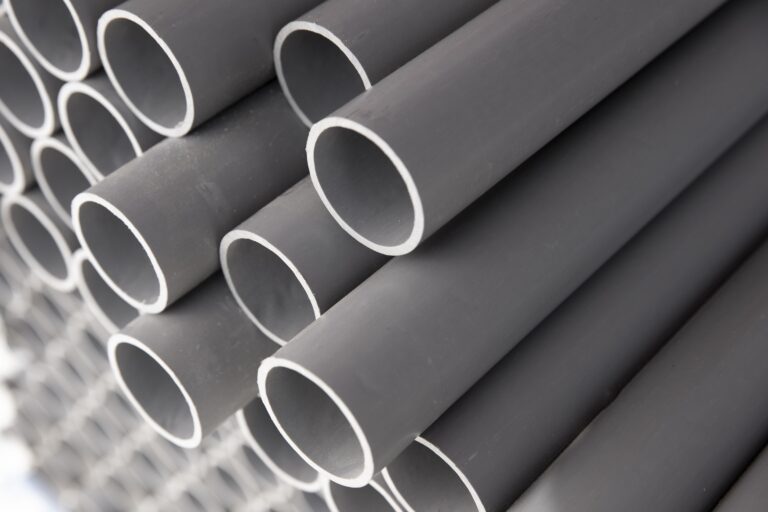
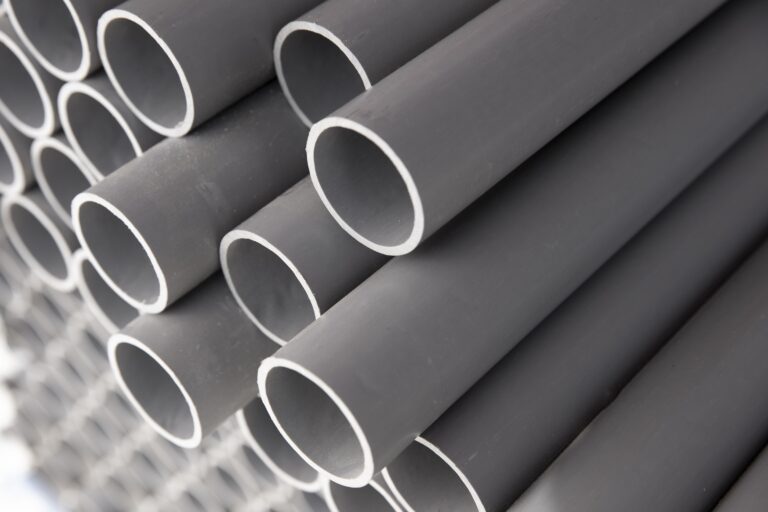
PVC rigid agriculture pipes remain the common choice for mainline and sub-main water conveyance. They are available in several pressure classes, resist soil chemicals and give long service when buried correctly. Austro PVC rigid agriculture pipes are manufactured for exactly this segment, with quality checks carried out in the company’s in-house testing lab.
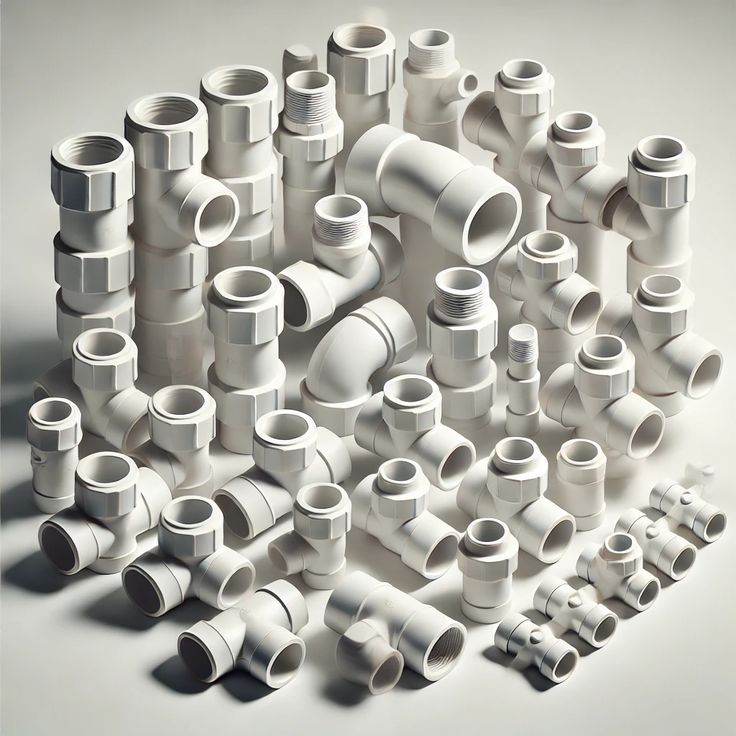
UPVC pipes are the standard material for rigid risers and connectors, because the unplasticised formulation keeps the pipe stiff and dimensionally stable. HDPE pipes, supplied in coils, suit drip and sprinkler laterals where flexibility and long continuous runs matter. CPVC appears mainly where water runs warm, such as protected cultivation and greenhouse feed lines. SWR and drainage pipes handle farm drainage and rainwater, and should never be substituted for a pressure line.
PVC vs UPVC vs HDPE: Choosing the Right Material
A clear material comparison helps buyers balance upfront cost, service life and installation effort, the three factors that shape the true cost per season of an irrigation network.
PVC rigid pipe is stiff, economical and easy to joint with solvent cement or rubber rings, which makes it practical for buried mainlines. UPVC behaves similarly and, since it carries no plasticisers, is the usual material behind most rigid agricultural pipe sold in India. HDPE is the flexible option: it coils, bends around field contours and tolerates being moved, which suits seasonal laterals. It also handles prolonged sun exposure well when it is carbon-stabilised. CPVC costs more and is normally reserved for warm-water duties rather than open-field irrigation.
For most borewell or canal-fed systems, a combination works best: rigid PVC or UPVC for the buried mains, HDPE for the laterals. Choosing one material for the whole network usually means paying for properties you do not need in one section and missing them in another.
IS Standards and BIS Certifications to Know
Buying agricultural irrigation pipe without checking the applicable IS code is one of the most expensive mistakes a farmer or contractor can make. The Bureau of Indian Standards publishes pipe-specific standards that define raw material, wall thickness, pressure classes and testing methods, and the code should appear in the pipe’s printed markings along with the manufacturer’s name and class.
IS 4985 covers unplasticised PVC pipes for water supply and is the code most commonly referenced for rigid agricultural water lines. IS 4984 applies to HDPE pipes used for water supply, including drip and sprinkler laterals. IS 13592 applies to UPVC pipes for underground drainage and sewerage, a different duty, so drainage pipe should never stand in for a water main. IS 15778 covers CPVC pipes and fittings for hot and cold water distribution. When a pipe’s marking is missing, faded or uses non-standard abbreviations, treat that as a warning sign and ask the supplier for the batch test certificate.
Alongside product standards, an ISO 9001:2015 certified quality management system at the manufacturing plant is a useful indicator of process discipline, because it means the factory’s checks are audited rather than occasional.
How to Select the Right Agricultural Irrigation Pipe
A structured buying decision removes guesswork. Work through these five steps before placing an order.
Step 1: Identify the application. Is this a borewell discharge main, an open-canal gravity feeder, a drip lateral or a sprinkler riser? The application dictates the material, the pressure class and the diameter.
Step 2: Match the IS standard. Cross-check the pipe marking. A PVC rigid agriculture pipe should show IS 4985 with its pressure class and manufacturer details printed at regular intervals. HDPE laterals should reference IS 4984.
Step 3: Verify the pressure class against actual head. Work out the total dynamic head from the pump to the highest discharge point, add a sensible safety margin, and choose a pressure class that sits comfortably above that figure. Drip laterals operate at low pressure, while borewell mains see the pump’s full head, so the two sections rarely share the same class.
Step 4: Check UV protection for above-ground runs. Any pipe that will sit in sunlight, whether a riser or a movable lateral, needs UV-stabilised material or physical shading.
Step 5: Confirm jointing and spares. Solvent-cement joints suit permanent buried lines, while rubber-ring joints allow some movement and faster laying. Make sure matching fittings are available locally before committing to a system.
Agricultural Irrigation Pipe Manufacturers in Hyderabad
Hyderabad hosts several established pipe manufacturers serving agricultural, infrastructure and plumbing markets. When comparing them, score each supplier on five practical criteria: visible IS code compliance on the pipe, the pressure-class range offered, in-house testing capability, dealer presence in your district, and willingness to share batch test certificates on request.
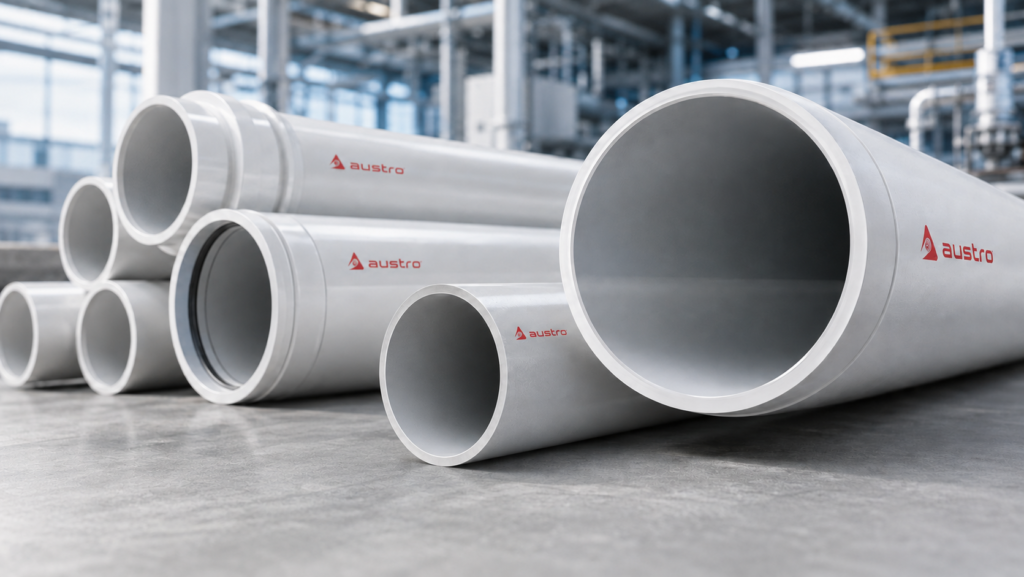
Austro Plastic Industries LLP, the company behind Austro Pipes, is a Hyderabad-based manufacturer founded in 2016. The company’s range spans PVC rigid agriculture pipes, UPVC pipes, CPVC pipes, SWR drainage pipes, DWC pipes, electrical conduit and junction boxes, manufactured under an ISO 9001:2015 certified quality system with products tested in its in-house lab as per ISI standards. For bulk orders, specifications or dealer enquiries, you can request a quote with your sizes and quantities.
Laying and Jointing: Getting the Installation Right
Even a well-chosen pipe fails early if the laying is careless. For buried mainlines, dig the trench deep enough to keep the pipe below the reach of tillage equipment and field traffic, and clear the trench bed of sharp stones before the pipe goes in. A thin layer of sieved soil under and over the pipe cushions it against point loads that slowly work into cracks. Joints should be made on clean, dry pipe ends: mud or moisture inside a solvent joint weakens the bond, and a rubber ring that is twisted or gritty will seep for years before anyone notices.
For solvent-cement joints, use the cement suited to the pipe material and follow the manufacturer’s instructions for that specific product, because PVC and CPVC use different cements and different setting behaviour. For rubber-ring joints, check that the ring sits evenly in its groove before pushing the spigot home. After the line is jointed, a simple water test before backfilling, run section by section, catches leaks while they are still cheap to fix.
Care Between Seasons
Irrigation pipe spends long idle stretches between cropping seasons, and a little attention then extends its working life. Drain above-ground lines before a long gap so standing water does not stress joints or feed algae. Shade or bury any exposed rigid pipe that will sit through a summer; UV exposure is cumulative, and a riser that looked fine after one season can turn brittle after three. Walk the line at the start of each season looking for weeping joints, cracked fittings and sections disturbed by field work, and replace doubtful pieces before the pump runs at full head. Keep a small stock of matching couplers and end caps on the farm so a damaged length can be swapped the same day instead of mid-irrigation.
Common Buying Mistakes to Avoid
The mistakes that repeat most often are simple. Buying on price per kilo alone, without checking the IS marking, invites pipes that look identical but carry thinner walls than the class requires. Choosing one pressure class for the entire network either over-spends on the low-pressure sections or under-protects the high-pressure ones. Mixing pipe and fitting brands without checking dimensional compatibility leads to joints that never quite seal. Ignoring the fittings budget until the end leaves the best pipe joined with the cheapest elbows. And skipping the batch test certificate for a large order removes the one document that matters if a lot later underperforms. Each of these is easier to avoid at the enquiry stage than to fix in the field.
Matching The Pipe To The Irrigation Method
Different irrigation methods ask different things from the pipe network. Flood and channel irrigation moves large volumes at low pressure, so the main requirement is adequate diameter and joints that stay sound under long hours of flow. Sprinkler systems need the mainline and laterals to hold steady working pressure so that every sprinkler head throws evenly; pressure class and joint quality matter more here than anywhere else. Drip systems run at the lowest pressures but demand clean water and consistent flow, so filtration and properly seated joints keep emitters from clogging or being starved of flow.
A farm that mixes methods, drip for a vegetable block and sprinklers for a fodder plot, for example, often ends up with two pressure zones. Planning the pipe class zone by zone, rather than one class across the whole farm, keeps the system balanced and the budget sensible.
The Water Source Shapes The Choice Too
Borewell-fed systems put the pump’s full discharge head on the rising main and the first stretch of pipe, so that section takes the hardest duty on the farm and deserves the appropriate pressure class and careful jointing. Canal-fed systems usually work at gentler pressures but bring silt and debris, which makes smooth-bore pipe and clean joints valuable over long seasons. Tank-fed and gravity layouts run at low pressure throughout, where the priority shifts to diameter selection so that flow does not fall away at the far end of the field.
Telling the manufacturer or dealer your water source, pump capacity and field layout turns a generic enquiry into a useful specification conversation, and it is usually the difference between a system that works on day one and one that needs rework after the first season.
Conclusion
Selecting an agricultural irrigation pipe is an engineering decision that affects water efficiency, crop yield and running cost for years. Map your application to the correct IS standard, match the pressure class to the real system head, protect above-ground runs from the sun, and source from a manufacturer whose testing and certification you can verify. Do those four things and the pipe network becomes the quietest part of the farm: laid once and working season after season.
Frequently Asked Questions
What is a good agricultural irrigation pipe for borewell systems?
PVC rigid pipes conforming to IS 4985, in a pressure class matched to the pump’s total head, are the usual choice for borewell mainlines. For sub-mains and drip laterals, HDPE pipes conforming to IS 4984 offer the flexibility and UV resistance needed for field-level distribution.
How do I check if an agricultural irrigation pipe is genuine?
Verify that the pipe carries the IS code marking, the manufacturer’s name, its pressure class and a batch number, printed at regular intervals. Ask for the batch test certificate, in-house or NABL-accredited, before accepting a bulk delivery.
What size agricultural irrigation pipe should I use for my field?
The right size depends on the pump’s discharge, the crop layout and the irrigation method rather than on acreage alone. A local micro-irrigation dealer or the manufacturer’s technical team can calculate the diameter from your pump and field plan.
Is UPVC better than PVC for agricultural pipes?
UPVC is PVC without added plasticisers, and it is the standard material for rigid irrigation pipes in India. In everyday trade usage the two terms often describe the same rigid pipe; what matters is that the pipe conforms to its IS code and carries proper markings.
Does Austro Pipes supply agricultural pipes outside Telangana?
Yes. While the company’s manufacturing base and dealer network are centred on Telangana and Andhra Pradesh, supply enquiries are accepted from across India.
What certifications should an agricultural irrigation pipe have?
Look for ISI marking under the relevant IS code, IS 4985 for rigid PVC and IS 4984 for HDPE, and ask whether the manufacturer runs an ISO 9001:2015 certified quality system.
How long does a PVC agricultural irrigation pipe last?
Service life depends on correct sizing, burial depth, joint quality and sun exposure rather than a fixed number of years. Pipes that run within their rated pressure class and are protected from prolonged direct sunlight generally give long, trouble-free service, while pipes run at or above their rating, or left in the sun season after season, age faster.
What is the difference between agricultural irrigation pipe and plumbing pipe?
Agricultural irrigation pipes are built for outdoor conveyance, above ground or buried, with formulations suited to field conditions. Plumbing pipes, whether supply or SWR, are rated and jointed for building interiors and should not be interchanged with field pipe.