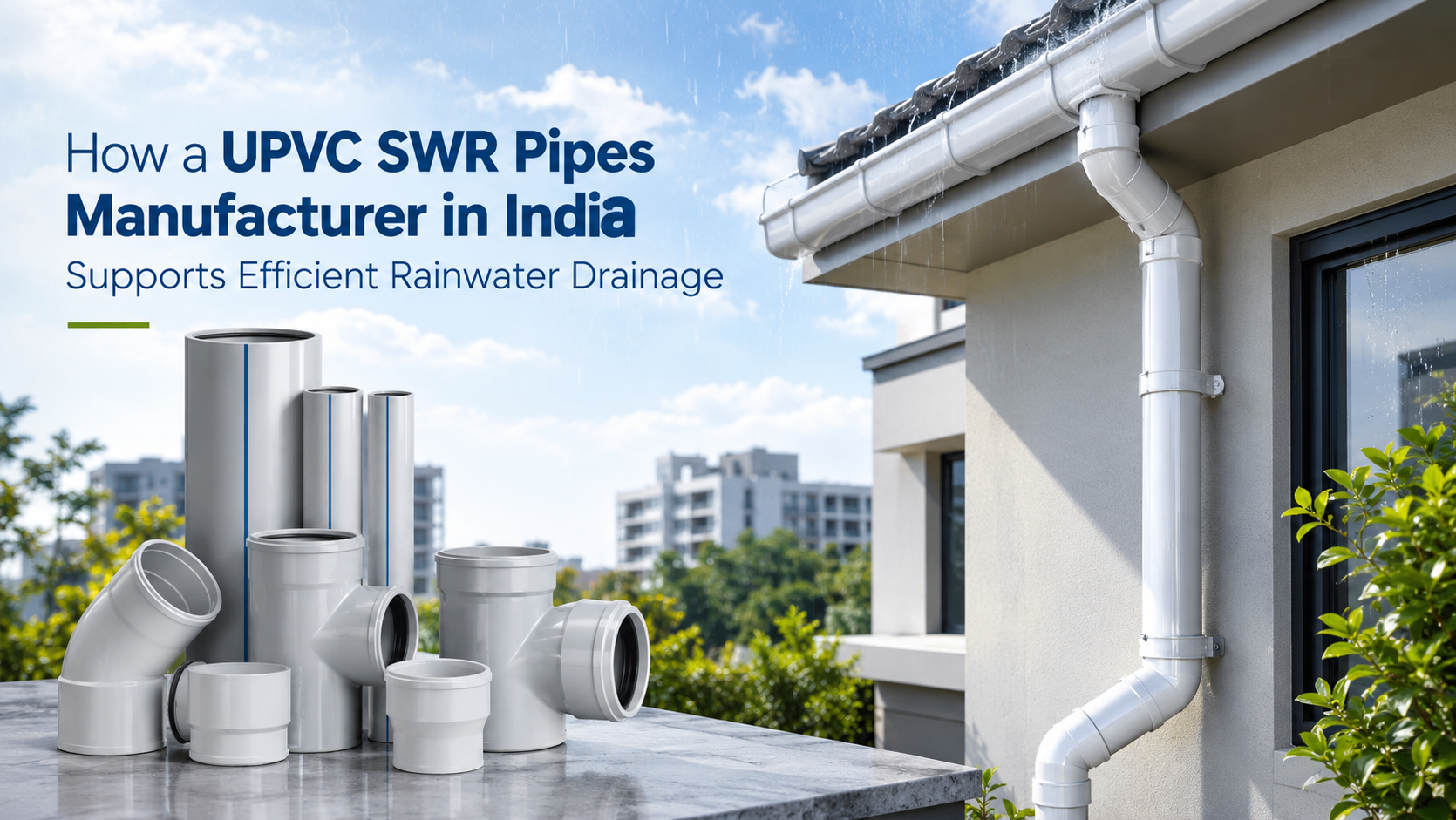
How a UPVC SWR Pipes Manufacturer in India Supports Efficient Rainwater Drainage
By@seo
Rainwater drainage plays an important role in protecting buildings from water accumulation, dampness, wall damage, and drainage blockages. An effective system depends on correctly sized pipes, compatible fittings, proper installation, and regular maintenance. Choosing a reliable UPVC SWR Pipes Manufacturer in India helps builders, contractors, architects, and property developers source suitable piping products for building drainage applications.
Unplasticized polyvinyl chloride (uPVC) soil, waste, and rainwater pipes are commonly used to carry rainwater from rooftops and other collection points towards designated drainage outlets. Their performance depends on product quality, system design, and installation practices. This article explains how manufacturers support efficient rainwater drainage and what buyers should consider when selecting products for residential, commercial, and industrial buildings.
Routine inspections before and during the rainy season can help identify developing problems early. Rainwater should also be discharged in accordance with the building design and applicable local requirements.
What Are uPVC SWR Pipes for Rainwater Drainage?
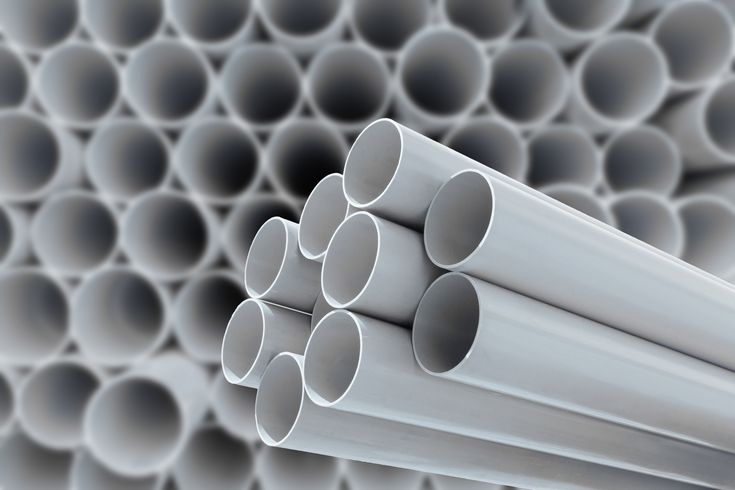
uPVC SWR pipes are rigid plastic pipes designed for soil, waste, and rainwater discharge applications. They form part of a drainage network that carries water away from roofs, terraces, and other designated collection points without relying on pressurised water delivery. These pipes are used in building drainage systems because they are lightweight, resistant to corrosion, and available in different sizes and compatible fittings. The correct product must be selected according to the intended application, expected water flow, and applicable technical requirements.How a uPVC SWR Pipes Manufacturer in India Supports Drainage Efficiency
A manufacturer contributes to drainage performance by supplying pipes and fittings that suit the building’s design and installation conditions.1. Consistent Product Quality
Consistent dimensions, smooth internal surfaces, and properly formed pipe ends help create reliable drainage connections. Quality checks can help identify dimensional variations and manufacturing defects before products reach installation sites. Buyers should request relevant technical specifications and test documentation rather than relying solely on product appearance or price.2. Suitable Pipe Sizes and Fittings
Rainwater systems need pipes with adequate capacity to handle the expected runoff. Manufacturers support project planning by providing suitable size options and compatible bends, junctions, and other fittings. Correct sizing depends on factors such as roof area, local rainfall intensity, the number of outlets, and the drainage layout. An undersized system may overflow during heavy rainfall, while an unsuitable layout can restrict water movement.3. Compatibility With Building Requirements
A dependable supplier helps buyers identify products appropriate for the intended installation. A project may require vertical rainwater downpipes, horizontal drainage connections, or fittings that connect different sections of the system. For relevant PVC-U soil, waste, and rainwater drainage applications, buyers can review IS 13592:2013 through the Bureau of Indian Standards (BIS). The applicable standard and product requirements should be confirmed for the specific application.Key Benefits of uPVC Drainage Pipes
uPVC drainage pipes offer several practical advantages when selected and installed correctly.- Corrosion resistance: Unlike conventional metal pipes, uPVC does not rust, making it suitable for many building drainage applications.
- Lightweight construction: Easier handling can simplify transportation and installation at construction sites.
- Smooth internal surfaces: These can help rainwater flow efficiently when the system is correctly sized and maintained.
- Low routine maintenance: The material does not require rust-prevention treatments, although inspections and cleaning remain necessary.
- Installation flexibility: Compatible fittings can help installers create drainage routes around building layouts.
Important Factors When Choosing uPVC SWR Pipes for Rainwater Drainage
Selecting suitable pipes involves more than comparing prices. Contractors and purchasing teams should evaluate the following factors before placing an order.Check Standards and Technical Documentation
Ask for the applicable product standard, dimensional specifications, test reports, and relevant conformity documentation. For compatible injection-moulded uPVC drainage fittings, IS 14735:1999 is another standard worth checking with reference to the proposed application. Verify any certification claims independently through the relevant official records.Evaluate Size and Flow Requirements
Pipe diameter should match the calculated runoff and drainage design. Consider roof dimensions, rainfall conditions, gutter capacity, outlet positioning, and the route towards the discharge point. A qualified plumbing or drainage professional can determine appropriate pipe sizes and gradients for the project.Inspect Fittings and Jointing Options
The pipes, bends, junctions, and connectors should be compatible with one another. Follow the manufacturer’s instructions for joint preparation, sealing, support spacing, and installation. Poorly assembled joints may leak, while inadequate support can cause misalignment or unwanted stress.Compare Supply and After-Sales Support
A suitable SWR pipe manufacturer in India should provide clear specifications, consistent product availability, and responsive technical assistance. For larger construction projects, also evaluate delivery schedules, order quantities, packaging, and replacement procedures.Common Rainwater Drainage Problems and Their Solutions
Even good-quality pipes can perform poorly when the overall system is incorrectly designed or maintained.| Common problem | Practical solution |
| Overflow during heavy rainfall | Review pipe sizing, roof runoff calculations, and outlet capacity. |
| Blockages caused by leaves and debris | Clean roof outlets, gutters, and accessible drainage sections regularly. |
| Leaking joints | Check fitting compatibility and follow the specified jointing procedure. |
| Water collecting near foundations | Direct discharge towards an appropriate outlet and provide suitable site drainage. |
| Pipe misalignment or sagging | Install adequate supports and maintain the required gradient. |