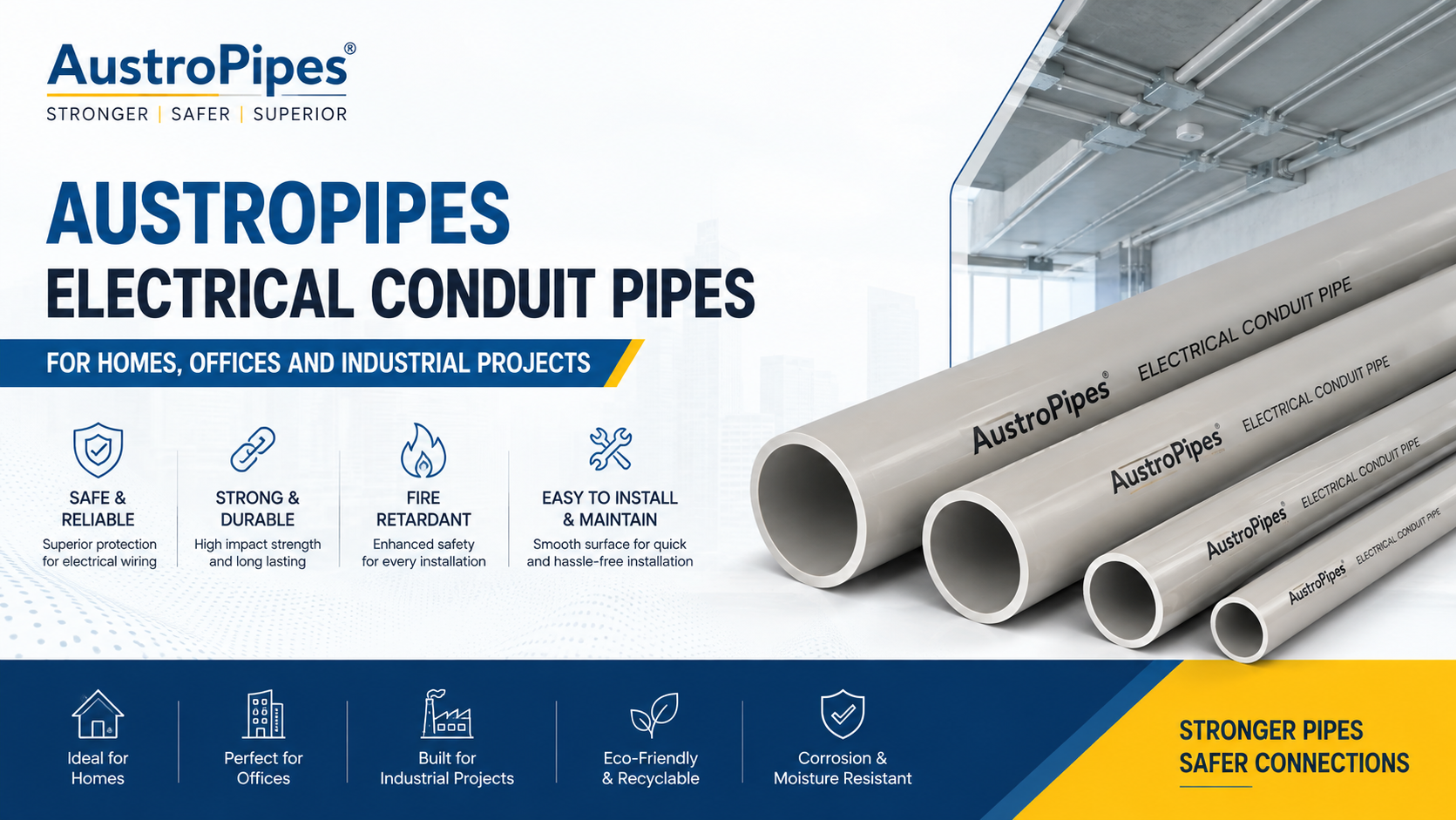
Austropipes Electrical Conduit Pipes for Homes, Offices and Industrial Projects
Electrical wiring needs more than properly sized cables. The conduit surrounding those cables also plays an important role in protecting wiring from physical damage, moisture, heat, dust and installation-related stress. For residential buildings, offices and industrial facilities, selecting a suitable conduit system can improve wiring protection and make future maintenance easier.
For quality and reliable electrical conduit solutions, choosing experienced PVC conduit pipe manufacturers in India can help ensure consistent product quality and dependable performance.
AustroPipes conduit pipes are designed for applications where electrical cables need an organised and protected routing path. When evaluating a Top electrical conduit pipe brand in India, buyers should look beyond price and consider factors such as material quality, dimensions, mechanical strength, electrical insulation, installation conditions and applicable standards.
This guide explains how electrical conduit pipes work, where they are used, what to check before purchasing, and how to select the right option for different building and project requirements.
Call us: +91 99495 04930
What Are Electrical Conduit Pipes?
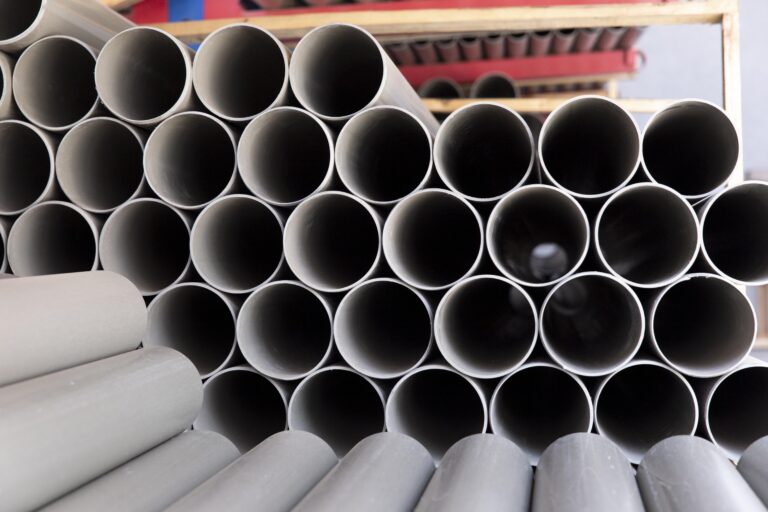
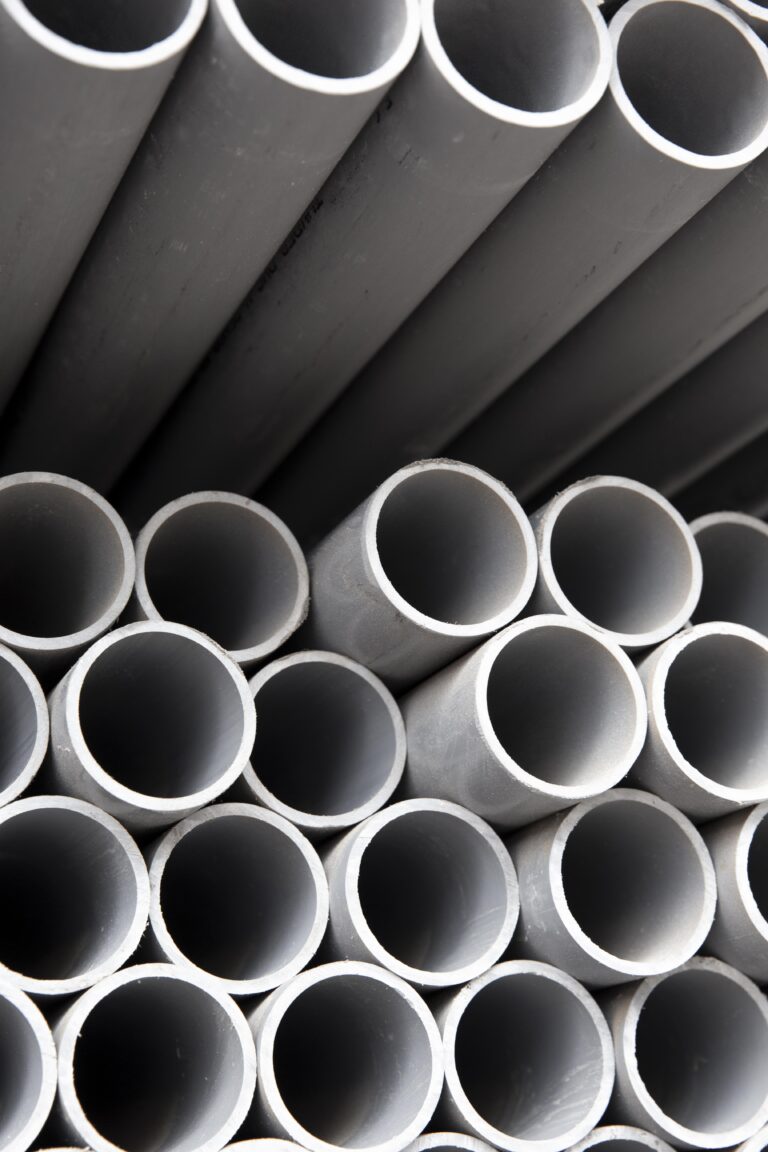
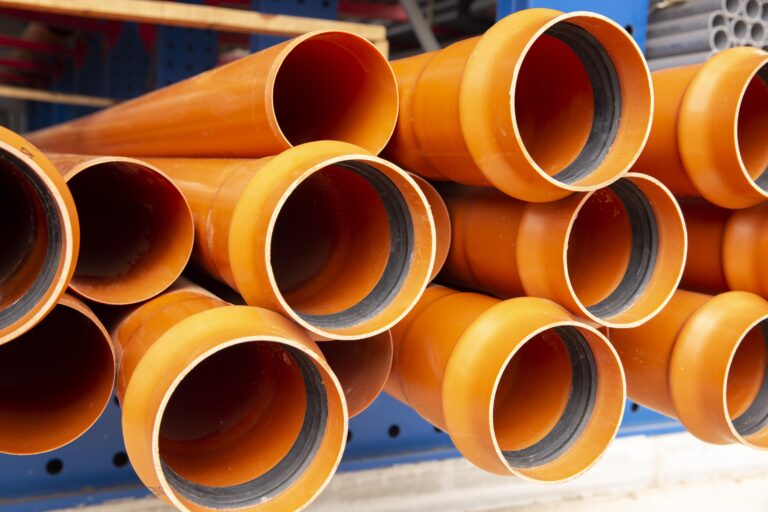
Electrical conduit pipes are protective tubes used to route and safeguard electrical wires and cables. They create a defined pathway for wiring while helping reduce exposure to mechanical impact, dust and other environmental conditions.
Rigid insulating conduits are covered by Indian Standard IS 9537, including Part 3 for rigid plain conduits made from insulating materials. BIS documentation describes these conduits in terms of requirements and testing related to dimensions, mechanical properties, heat resistance, burning resistance and electrical characteristics.
For a building project, conduit selection should therefore be treated as part of the electrical installation design rather than simply as an accessory for cables.
Why Are Conduit Pipes Important for Electrical Installations?
The primary purpose of a conduit is to provide a protective route for electrical conductors. A suitable conduit system can also make wiring layouts more organised and accessible for inspection or maintenance.
Key benefits include:
- Protection from physical damage: The conduit provides a barrier around electrical wires.
- Better cable organisation: Multiple wires can be routed through defined pathways.
- Electrical insulation: Non-metallic insulating conduits can provide separation between cables and surrounding surfaces.
- Cleaner installations: Concealed and exposed wiring can be routed in a more systematic manner.
- Simpler maintenance: Properly planned routes can make cable identification and replacement easier.
- Reduced exposure to environmental conditions: The appropriate conduit can help protect wiring from dust, moisture and other site conditions.
The exact level of protection depends on conduit type, installation method, environment and the requirements of the electrical system.
How Do AustroPipes Conduit Pipes Work?
An electrical conduit acts as a protective pathway between the point where wiring begins and the point where it terminates. During installation, conduits are routed through walls, ceilings, floors or other designated spaces, after which electrical wires or cables are pulled through the conduit.
A typical installation involves:
- Planning the wiring route: Determine cable paths, bends, junction points and access locations.
- Selecting the conduit size: Choose a diameter that can accommodate the intended cables without creating unnecessary congestion.
- Cutting and joining: Conduit sections are cut and connected using suitable accessories and installation practices.
- Securing the route: The conduit is fixed appropriately according to the installation environment.
- Pulling the cables: Wires are routed through the completed conduit pathway.
- Inspecting the installation: Check alignment, joints, accessibility and cable routing before final closure.
Good planning matters because excessive bends, overcrowding or poorly positioned junctions can make cable installation and future maintenance difficult.
Where Can Conduit Pipes Be Used?
AustroPipes conduit solutions can be considered across different project environments, provided the selected product and installation method match the application requirements.
1. Residential Projects
Homes commonly require conduits for lighting circuits, power outlets, appliances, air-conditioning systems, communication wiring and other electrical services.
For residential construction, the conduit should be selected according to whether the wiring is concealed inside walls and ceilings or installed in more exposed areas.
2. Offices and Commercial Buildings
Office buildings often have a larger number of electrical and communication circuits. Conduits help keep these routes organised while providing protection to the wiring.
Applications can include:
- Lighting and power circuits
- Workstation wiring
- Data and communication routes
- HVAC-related electrical connections
- Common-area electrical systems
- Service and maintenance pathways
A well-planned conduit layout is particularly useful in commercial spaces where wiring may need to be modified as layouts change.
3. Industrial Projects
Industrial environments can expose electrical systems to greater mechanical and environmental demands. Manufacturing facilities, warehouses and processing areas may therefore require conduit systems selected according to the site’s operating conditions.
Before choosing a product, project teams should consider exposure to impact, temperature, moisture, chemicals, vibration and other site-specific factors.
How to Choose the Right Conduit Pipe for a Project?
Choosing the Top electrical conduit pipe brand in India should not be based on brand name alone. The actual product characteristics and project requirements should guide the decision.
Consider these factors:
Material and Insulation
The conduit material should provide the required mechanical and electrical properties for the intended application. PVC and other insulating materials are commonly used where non-metallic electrical protection is suitable.
Conduit Size
Select the diameter based on the number, type and size of cables being routed. Oversized conduits may increase material and installation costs, while undersized conduits can create congestion and make cable pulling difficult.
Mechanical Strength
Check whether the conduit can withstand the expected installation and operating conditions. BIS testing references for rigid insulating conduits include bending, compression, impact and collapse-related tests.
Heat and Fire Performance
Temperature and fire-related requirements should be considered based on the project environment. Do not assume that every conduit has the same performance simply because it is made from a similar material.
Installation Environment
A concealed residential installation and an exposed industrial installation may have very different requirements. Consider moisture, sunlight, temperature, physical exposure and other environmental influences before selecting the conduit.
Standards and Marking
For applicable products, buyers should verify relevant Indian Standards and product markings. BIS documentation for IS 9537 Part 3 includes requirements covering marking and conformity-related testing.
Why Product Quality Matters More Than Just Price
A low purchase price does not necessarily mean a lower total project cost. Conduit quality can influence installation efficiency, cable protection and maintenance requirements over the life of a building. Choosing a reliable Electrical Conduit Pipe Manufacturer can help ensure consistent product quality, proper specifications and dependable performance for electrical installations.
When comparing the best electrical conduit pipe in India, project buyers should evaluate:
- Dimensional consistency
- Wall thickness and uniformity
- Mechanical performance
- Electrical insulation characteristics
- Resistance to heat and burning where applicable
- Ease of cutting, joining and routing
- Product markings and documentation
- Availability of compatible accessories
- Supplier consistency and technical support
BIS laboratory information for IS 9537 Part 3 shows that testing can include dimensions, construction, bending, compression, impact, heat resistance, burning resistance, electrical strength and insulation resistance.
Common Mistakes to Avoid When Installing Conduit Pipes
Even a good conduit can perform poorly when installation practices are inadequate.
Using the Wrong Size
Overfilled conduits can make cable pulling difficult and may complicate future maintenance. Select conduit dimensions according to the wiring design rather than choosing a size only because it is readily available.
Creating Too Many Sharp Bends
Excessive or poorly planned bends can increase pulling difficulty. Plan routes so cables can be installed and maintained without unnecessary stress.
Ignoring the Installation Environment
A conduit suitable for one indoor application may not automatically be appropriate for an exposed or demanding industrial environment.
Mixing Incompatible Components
Conduits, bends, junction boxes, couplers and other accessories should be compatible with the selected system and installation method.
Skipping Inspection
Before walls, ceilings or other concealed areas are closed, inspect the conduit route, joints, supports and cable pathways.
What Should Buyers Check Before Ordering?
For contractors, builders, electrical consultants and procurement teams, a simple evaluation process can reduce selection errors.
Step 1: Define the application — residential, commercial or industrial.
Step 2: Identify the cable types and approximate quantity.
Step 3: Determine the required conduit diameter and installation route.
Step 4: Review mechanical, thermal and environmental requirements.
Step 5: Check applicable Indian Standards and product documentation.
Step 6: Confirm availability of compatible fittings and accessories.
Step 7: Compare suppliers based on quality, consistency, technical information and overall project value rather than price alone.
For buyers researching ISI PVC pipe brands India, standards compliance and product documentation should be part of the comparison process instead of relying only on marketing descriptions.
AustroPipes for Different Project Requirements
AustroPipes can be considered when planning electrical conduit requirements for residential, commercial and industrial construction. The right selection depends on the application’s wiring design, environmental conditions, installation method and applicable technical requirements.
For reliable electrical conduit solutions, choosing experienced PVC pipe manufacturers company in India can help ensure consistent product quality and dependable performance across different installation requirements.
Conclusion
Choosing the Top electrical conduit pipe brand in India should start with the project’s actual electrical and environmental requirements rather than price alone. For homes, offices and industrial facilities, a suitable conduit system can provide organised cable routing, physical protection and easier maintenance.
AustroPipes conduit solutions can be evaluated based on application, conduit size, material, mechanical performance, installation environment and relevant Indian Standards. For procurement teams and contractors, checking product documentation and matching the conduit to the project’s conditions is the most practical way to make a reliable selection.
Looking for suitable electrical conduit solutions for your next project? Connect with AustroPipes to discuss your project requirements and product options.
Choose AustroPipes for Reliable Electrical Conduit Solutions
Planning an electrical installation for a home, office, or industrial project? Connect with AustroPipes to discuss your conduit pipe requirements and get suitable product guidance for your application.
Call us: +91 99495 04930
Email: info@austropipes.com
Frequently Asked Questions
What is the main purpose of an electrical conduit pipe?
An electrical conduit pipe provides a protective pathway for electrical wires and cables. It helps shield wiring from physical damage and environmental exposure while keeping cable routes organised. The appropriate conduit type depends on the installation environment, cable arrangement, mechanical requirements and applicable electrical standards.
Are PVC conduits suitable for residential electrical wiring?
PVC and other insulating conduits can be suitable for residential applications when the product is designed for the intended electrical installation and installed correctly. The required size, mechanical properties, heat performance and applicable standard should be checked before selection.
How do I choose the right conduit size?
Choose the conduit size based on the number and dimensions of cables, the planned routing and installation requirements. The conduit should provide adequate space for cable installation and maintenance without creating unnecessary congestion. Electrical design requirements and applicable installation practices should guide the final selection.
What standards apply to rigid insulating electrical conduits in India?
IS 9537 covers conduits for electrical installations. Part 3 specifically addresses rigid plain conduits made from insulating materials. BIS documentation includes requirements and test methods covering characteristics such as dimensions, mechanical properties, heat resistance, burning resistance and electrical performance.
Are conduit pipes useful in industrial projects?
Yes, conduits can provide a structured and protective route for electrical wiring in industrial facilities. However, industrial applications often involve more demanding environmental conditions, so factors such as impact, temperature, moisture, chemicals and installation exposure should be assessed before choosing a conduit system.
What should contractors check before buying conduit pipes?
Contractors should check the required conduit size, material, mechanical performance, electrical characteristics, applicable standards, product markings, compatibility with accessories and suitability for the installation environment. For larger projects, consistent supply and technical documentation are also useful procurement considerations.
Why should buyers compare more than just conduit prices?
The cheapest conduit may not provide the required performance or installation convenience for a particular application. Buyers should compare dimensions, strength, electrical characteristics, standards-related documentation, accessory compatibility, availability and expected project requirements to understand the overall value of the product.