Why CPVC Pipes and Fittings Manufacturer Suits Hot and Cold Water Plumbing Systems
A CPVC pipes and fittings manufacturer plays an important role in providing reliable plumbing solutions for residential, commercial, and industrial buildings. Every building needs a proper water supply system that can carry hot and cold water to bathrooms, kitchens, washbasins, and other connected areas. Choosing suitable pipes and fittings is important because the plumbing network needs to handle regular water flow, temperature changes, and daily usage.
In modern construction, CPVC (Chlorinated Polyvinyl Chloride) is a commonly used material for hot and cold water plumbing systems. It offers useful properties such as corrosion resistance, lightweight construction, and the ability to handle hot water when products are correctly specified. These features make CPVC a practical choice for different plumbing requirements.
However, a plumbing system depends on more than the pipe material alone. The quality of fittings, manufacturing process, product dimensions, and installation method also affect overall performance. This is why selecting a reliable manufacturer is an important decision for builders, plumbers, contractors, and property owners.
Why CPVC Pipes Are Used in Hot and Cold Water Plumbing Systems
Water supply systems need pipes that can perform under different temperature conditions. In a typical home, cold water travels to washbasins, toilets, and kitchen taps, while hot water is supplied to showers, geysers, and other outlets.
CPVC is designed for these plumbing applications when the product meets the required specifications. It can handle hot and cold water within its rated temperature and pressure limits.
Some important reasons for its use include:
- Temperature resistance: CPVC plumbing products are designed to carry hot water within their specified operating limits.
- Corrosion resistance: Unlike conventional metal pipes, CPVC does not rust, which helps maintain the condition of the water supply network.
- Lightweight material: CPVC pipes are easier to handle, transport, and move around construction sites.
- Smooth internal surface: Their smooth bore supports water movement and helps reduce the chances of scale deposits under suitable conditions.
- Installation convenience: Compatible fittings and joining methods make it possible to create different plumbing layouts.
These characteristics make CPVC suitable for many modern plumbing projects. However, the correct pipe class, size, pressure rating, and installation method should always be considered before selecting a product.
How a CPVC Pipes and Fittings Manufacturer Supports Plumbing Projects
A CPVC pipes and fittings manufacturer supports plumbing projects by producing components designed to work together in hot and cold water supply networks. The manufacturer is responsible for maintaining product quality, dimensional consistency, and suitable material properties.
A well-planned plumbing network requires straight pipes, elbows, tees, couplers, reducers, and other fittings. When sourcing components from reliable UPVC pipe fittings manufacturers, it is important to ensure that each fitting serves its intended purpose and is compatible with the selected pipe system.
Here are some important ways manufacturers support building projects.
1. Maintaining Consistent Material Quality
The quality of raw materials affects the performance and reliability of CPVC products. Manufacturers need to follow suitable production processes and quality checks to maintain consistency.
The material should have the properties required for its intended plumbing application. Consistent production also helps ensure that pipes and fittings meet the required dimensions and specifications.
For builders and contractors, this means they can plan plumbing installations using products with predictable characteristics.
2. Offering Different Pipe Sizes
Every building has different water supply requirements. A small residential property may need a different pipe arrangement compared to a hotel, office building, hospital, or commercial complex.
Manufacturers offer different pipe sizes to support various water supply layouts. Selecting the correct diameter is important because it affects water flow, pressure, and the overall functioning of the plumbing network.
The required size should be decided according to the building layout, number of water outlets, expected demand, and plumbing design.
3. Providing Compatible Fittings
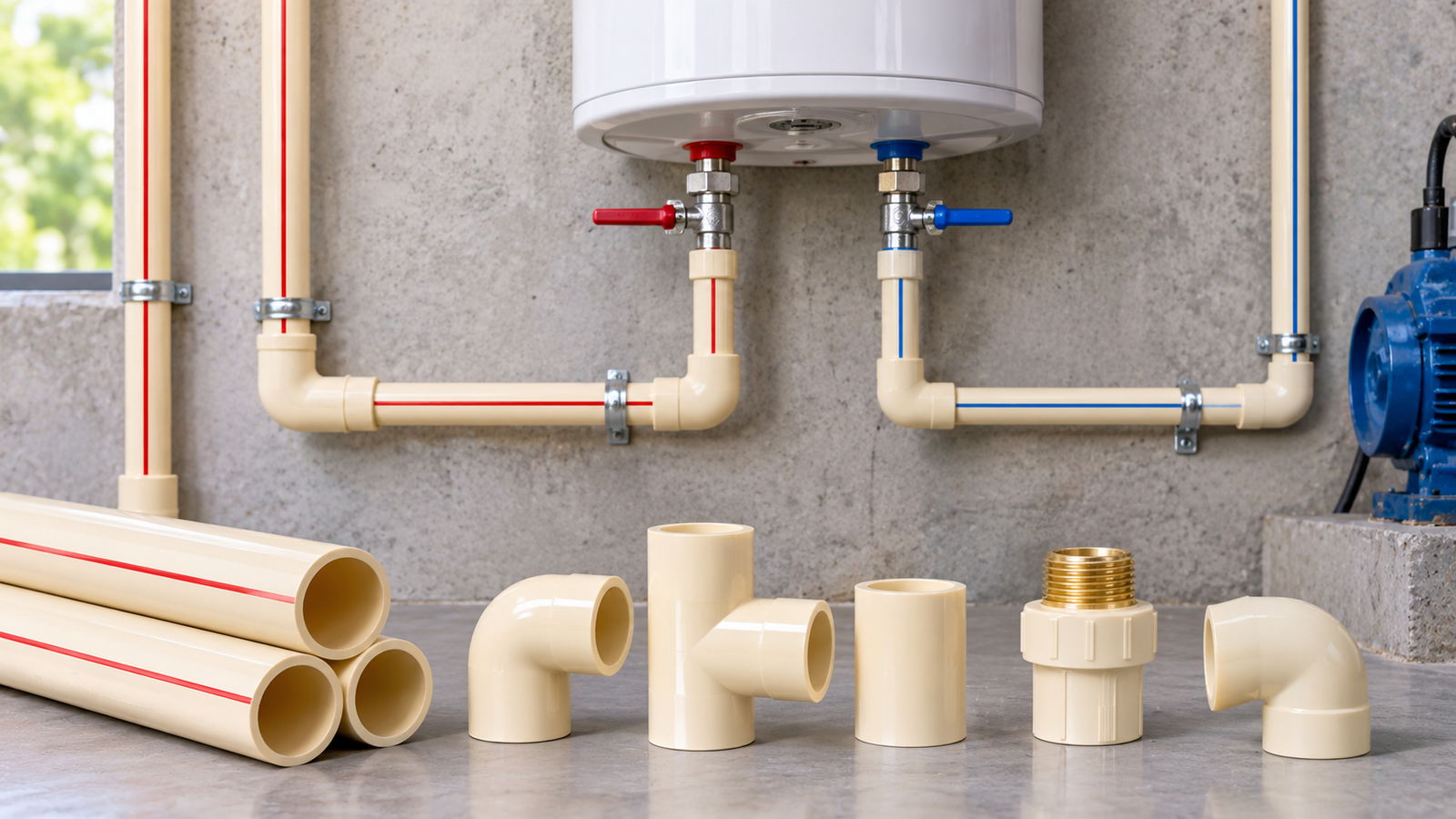
Pipes alone cannot create a complete water supply system. Fittings are needed to connect different sections, change the direction of water flow, and create branch connections.
Manufacturers provide components such as:
- Elbows for changing the direction of pipes.
- Tees for creating branch connections.
- Couplers for joining two pipe sections.
- Reducers for connecting pipes of different sizes.
- Adapters for connecting compatible plumbing components.
Using compatible fittings helps create a properly connected water supply network. Correct joining procedures are equally important to reduce the possibility of leakage.
4. Supporting Long-Term Plumbing Performance
Plumbing pipes are usually installed inside walls, beneath floors, or above false ceilings. Once construction is complete, accessing these pipes for repairs can become difficult.
This makes product selection important during the construction stage. A reliable manufacturer focuses on product specifications and quality controls to support the intended application.
Proper installation, suitable operating pressure, and regular inspection of accessible plumbing components also contribute to long-term performance.
Why Choose a CPVC Pipe Manufacturer in India for Building Applications?
When planning a plumbing project, buyers often look for a CPVC pipe manufacturer in India that can provide suitable products for local construction requirements.
India has residential developments, commercial buildings, hospitals, hotels, and industrial facilities with different water supply needs. Manufacturers serving these projects need to offer products in suitable sizes and specifications.
Before selecting a manufacturer, consider the following points.
Product Range: Check whether the manufacturer offers pipes and fittings in the sizes required for your project. A suitable product range makes plumbing planning easier.
Material Specifications: Review product details, including material information, dimensions, pressure ratings, and temperature limitations.
Quality Testing: Ask about manufacturing checks and relevant product testing. This helps you understand how the manufacturer maintains product consistency.
Applicable Standards: Check whether the products comply with the relevant Indian Standards and project-specific requirements.
Supply Availability: For larger projects, consistent product availability is important. Delays in receiving pipes and fittings can affect construction schedules.
A careful review of these points can help contractors and developers make an informed purchasing decision.
How Hot and Cold Water CPVC Pipes Support Modern Plumbing
Hot and cold water CPVC pipe are designed to support water supply systems where both temperature conditions need to be managed through the same plumbing network.
In residential buildings, cold water generally comes from the main supply or storage tank. Hot water may be supplied through a geyser or water heating system. Both supply lines need appropriate pipe materials and connections.
CPVC products are suitable for many such applications because they are designed to handle specified temperature and pressure conditions.
Hot Water Supply
Hot water lines connect heating equipment to showers, bathroom taps, kitchen outlets, and other fixtures. CPVC pipes designed for hot water applications can carry heated water within their rated operating limits.
Correct product selection is important because water temperature and operating pressure influence the performance of the plumbing system.
Cold Water Supply
Cold water lines carry water from the main supply or storage tank to different outlets. CPVC can also be used in these applications, provided the selected products meet the plumbing requirements.
Its corrosion-resistant properties make it a useful option for water distribution systems.
Better Plumbing Planning
Using a compatible CPVC pipe and fitting system helps plumbers plan hot and cold water lines more effectively. When comparing products from the biggest PVC pipe manufacturers, plumbers should also consider material compatibility, fitting quality and product standards. Separate lines should be designed according to the building’s water supply layout and applicable plumbing practices.
What Makes a CPVC Plumbing Pipe Manufacturer Suitable for Construction?
Choosing a CPVC plumbing pipe manufacturer involves checking more than the appearance or price of the products. Builders and contractors should understand the manufacturer’s ability to provide suitable pipes and fittings for the intended application.
A good manufacturer should focus on material quality, production consistency, product dimensions, and technical specifications.
It is also useful to check whether the manufacturer provides installation guidance and product information. This can help plumbers understand the correct joining method, operating limits, and handling requirements.
For large construction projects, consistent product specifications are particularly important. Using compatible components throughout the plumbing network helps maintain a uniform installation approach.
Buyers should also consider the manufacturer’s ability to meet project quantities and delivery schedules. This becomes important when plumbing work is carried out across multiple floors or building sections.
Conclusion
CPVC has become a useful material for modern hot and cold water plumbing because of its corrosion resistance, lightweight construction, and ability to handle specified operating temperatures. It is often considered when evaluating the best PVC pipe for water supply, particularly for residential and commercial applications where the correct products are selected and installed properly.
Choosing a dependable CPVC pipes and fittings manufacturer helps builders, contractors, and plumbers access compatible products for different plumbing requirements. However, material quality, pipe dimensions, pressure ratings, fittings, and installation practices should all be considered before making a final decision.
Whether you are planning plumbing for a new house, apartment complex, office, or commercial building, selecting suitable CPVC products at the beginning can help create a well-organised water supply network. A properly designed and installed system supports reliable hot and cold water distribution for everyday building needs.
Get in Touch with AustroPipes
Looking for reliable CPVC pipes and fittings for your plumbing projects? Connect with AustroPipes to learn more about our product range and find suitable piping solutions for your requirements.
Call us at: +91 99495 04930
Email: info@austropipes.com
Frequently Asked Questions
1. What should I check before choosing a CPVC pipes and fittings manufacturer?
Before selecting a CPVC pipes and fittings manufacturer, check its product range, material specifications, available sizes, pressure ratings, quality testing, and applicable standards. Also confirm whether the manufacturer provides compatible fittings for your plumbing project.
2. How do I find a reliable CPVC fittings supplier?
A reliable CPVC fittings supplier should offer compatible fittings, consistent product dimensions, clear technical specifications, and dependable product availability. Check whether the fittings match the pipe system you plan to install.
3. Can a CPVC pipe manufacturer India supply products for commercial buildings?
Yes, a CPVC pipe manufacturer India may offer different pipe sizes and fittings for residential and commercial plumbing applications. Check the manufacturer’s product specifications and confirm whether they meet your building’s water supply requirements.
4. Are hot and cold water CPVC pipes suitable for residential plumbing?
Yes, hot and cold water CPVC pipes are commonly used in residential plumbing because they are designed to handle both water temperatures within their specified operating limits. Select products according to the required temperature and pressure conditions.
5. What should I consider when selecting CPVC pipe fittings for buildings?
When choosing CPVC pipe fittings for buildings, consider pipe compatibility, fitting dimensions, water pressure requirements, temperature limits, and installation instructions. Using suitable fittings helps create properly connected hot and cold water supply lines.