Best PVC Pipe for Home and Agricultural Use: What You Should Know Before Buying
Choosing the best pvc pipe is not only about picking the thickest or most expensive option. A pipe that works for a balcony tap may not survive near a pump, and a farm line has very different demands from a concealed bathroom supply. PVC is popular because it is light, rust-free, and affordable, but the quality gap between products can be wider than it first appears.
Before buying, look at where the pipe will be used, how much pressure it must handle, how it will be joined, and whether it will stay indoors, underground, or exposed to sun. Those details decide how reliably your water system performs. That’s why choosing from the best PVC pipe manufacturers in India matters so much, since a trusted brand ensures consistent quality and long-term durability. With so many best PVC pipe manufacturers in India competing on price and quality, comparing their certifications and product range before buying is always a smart move.
What Makes the best PVC pipe a Good Choice?
The best pvc pipe is the one that suits the job, not just the one with a bold label. Good pipe should have a smooth inner surface, even wall thickness and clear printed markings. These details influence flow, joint strength, and leak resistance.
For homes, consistency matters because many lines are hidden inside walls or below flooring. Repairing a concealed leak can cost far more than choosing a better product at the start. For farms, the pipe may need to handle long runs, pump pressure, seasonal movement, and rougher handling.
Start With the Application
A home supply line, rooftop tank connection, borewell outlet, garden line, and field irrigation network should not all be treated the same. Each one carries water under different conditions. Some work with low gravity pressure, while others face sudden force from pumps and valves.
For domestic water supply, people usually want long-lasting water pipes that are safe, neat, and low maintenance. For agriculture, the focus often shifts to flow rate, strength, and ease of repair. The best pvc pipe for a kitchen or bathroom may be unnecessary for a short garden line, while a light-duty pipe may be risky on a main farm pipeline.
Check Pressure Rating Carefully
Pressure rating should be one of the first things you check. It tells you how much internal pressure the pipe is designed to handle. If a pump is pushing water through the system, pressure can rise sharply.
A high pressure pvc pipe is useful near pump outlets, main distribution lines, and irrigation systems where water force is not steady. Using an underrated pipe in these areas may lead to bulging, joint leaks, or sudden bursting.
The best pvc pipe for pressure-based use should match the pump capacity, distance, elevation changes, and valve layout. Guesswork can be expensive here, so it is worth asking a trained plumber or irrigation technician when the system is large.
Compare Quality Beyond Price
Price can be a helpful filter, but it should not be the only one. A cheap pipe may look similar from the outside yet have uneven thickness, weak material, or poor dimensional accuracy. These weaknesses usually show up after installation.
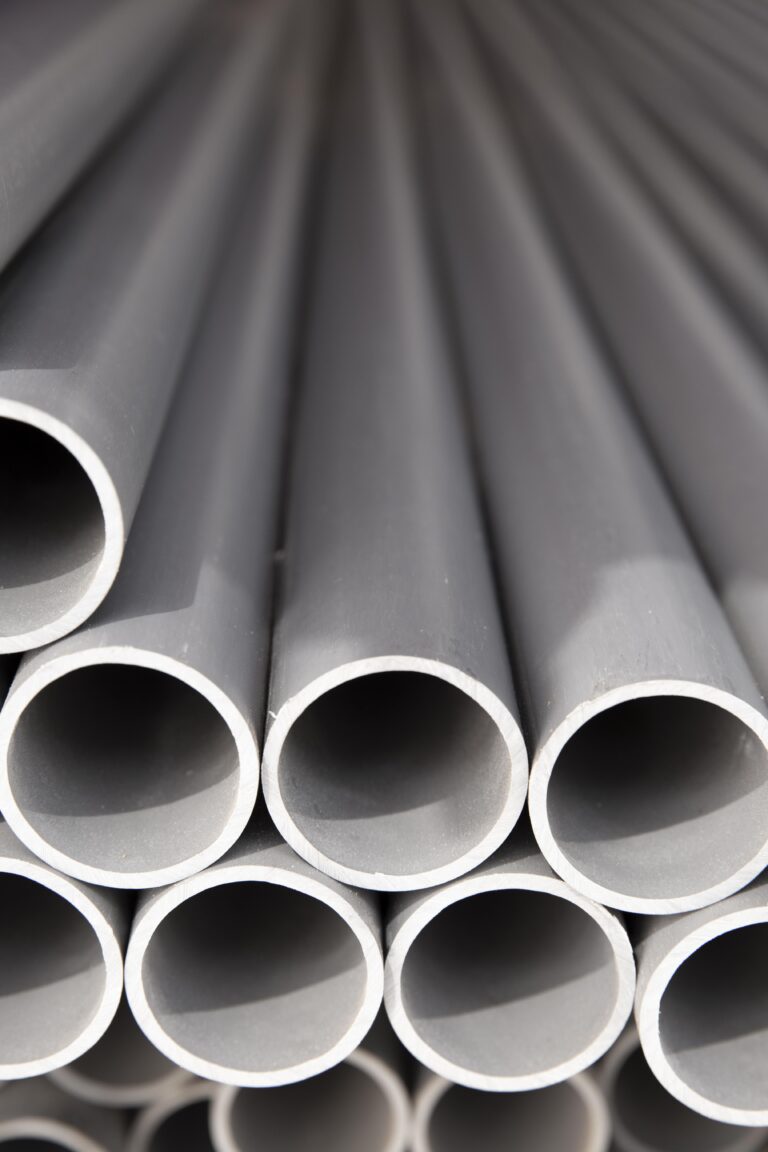
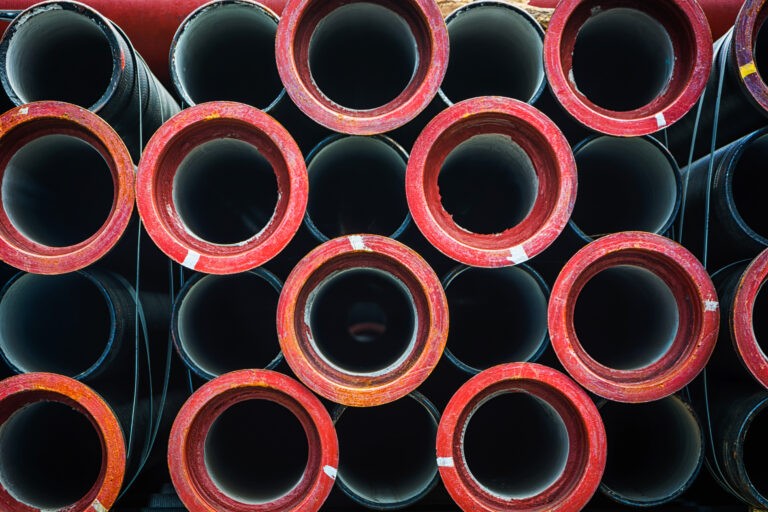
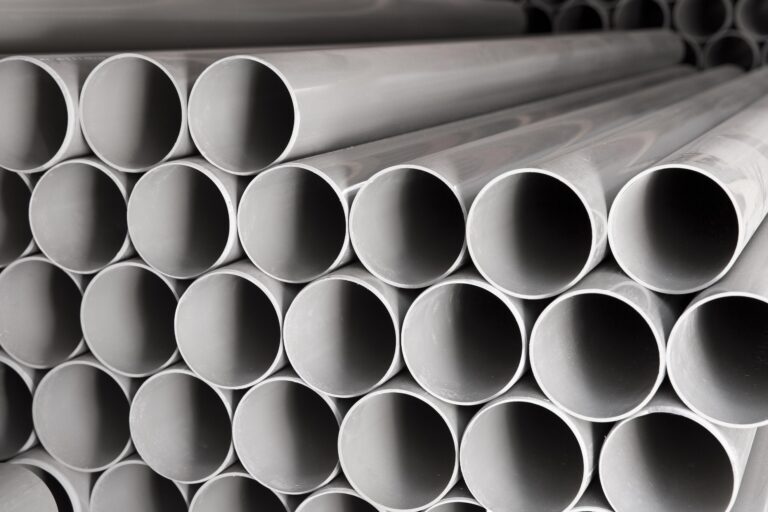
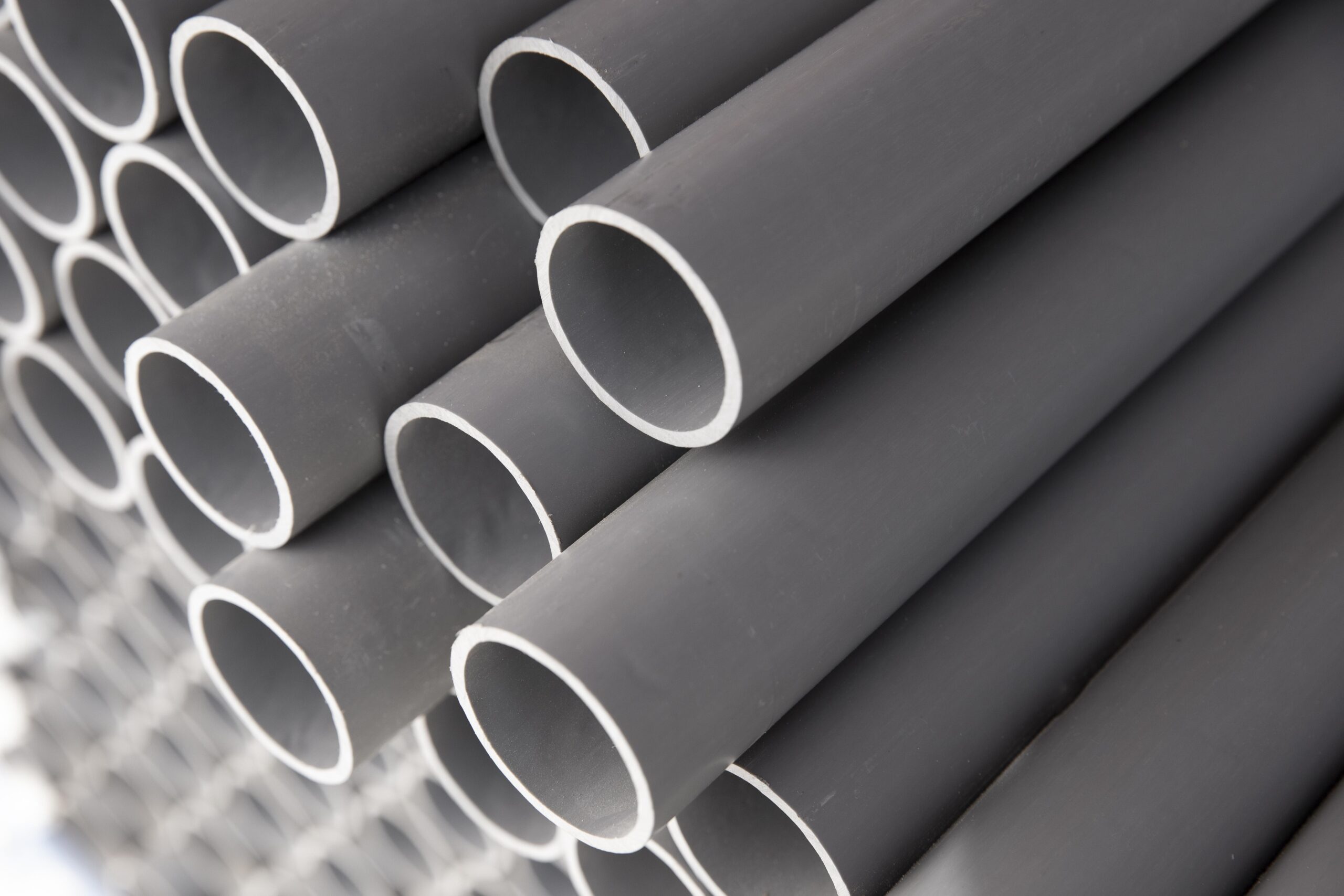
When making a pvc pipe quality comparison, check the pressure class, wall thickness, certification, brand reputation, finish, and warranty. Look at the cut edge if possible. A clean, uniform cross-section usually signals better manufacturing control.
Also inspect for cracks, bubbles, faded patches, dents, or rough inner surfaces. A smooth pipe improves flow and reduces the chance of sediment gathering inside. The best pvc pipe should feel consistent, straight, and properly finished.
Choose the Right Diameter
Diameter affects how much water moves through the line. A pipe that is too narrow may reduce flow, increase pump load, and make sprinklers or taps perform poorly. A pipe that is much wider than needed can add unnecessary cost.
For homes, plumbers usually size pipes according to fixture demand and layout. For farms, distance and slope matter more. Long lines lose pressure through friction, so a field supplied from a faraway pump may need a different size than a nearby garden section.
Do not copy another property blindly. Their water source, pump strength, soil level, and usage pattern may differ from yours. A simple sizing check can prevent weak flow and wasted electricity.
Match Pipes, Fittings, and Installation Method
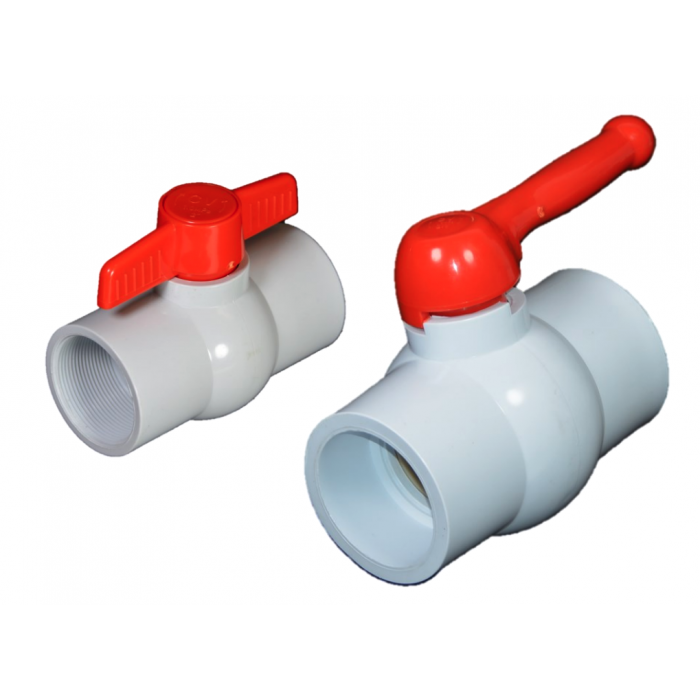
Even strong pipe can fail if the fittings are poor or the joints are rushed. Elbows, tees, couplers, valves, and solvent cement should match the pipe size and pressure class. Forced fittings can create stress cracks, while loose fittings often leak under pressure.
For concealed home plumbing, clean cuts and proper alignment are essential. For field use, fittings should tolerate movement and regular handling. If lines are removed or shifted seasonally, durability at the joints matters as much as pipe strength.
The best pvc pipe performs well only when the whole system is compatible. Pipe quality, fittings, adhesive, support spacing, and curing time all work together.
Think About Sunlight, Soil, and Handling
PVC resists moisture well, but long sun exposure can weaken unsuitable pipes. If the line will remain above ground, ask whether it is suitable for outdoor conditions or requires protection. Shade or burial can extend service life.
Underground lines need careful trench preparation. Remove sharp stones, use proper bedding, and avoid dumping heavy backfill directly onto the pipe. Poor trenching can damage even a good product.
For farms, durable pvc pipes for irrigation should handle practical realities: uneven land, seasonal work, pump cycles, and occasional movement. The pipe should not only look strong on day one but continue performing after repeated use.
Practical Buying Checklist
Start by noting the application, water source, pump details, required length, and whether the pipe will be hidden, buried, or exposed. Then compare pressure rating, diameter, wall thickness, certification marks, and compatible fittings.
Buy from a reliable dealer who stores stock properly. Pipes left in harsh sunlight for long periods may not be ideal, even if they are technically new. Avoid pieces that look bent, faded, cracked, or damaged at the ends.
The best pvc pipe is usually a sensible balance of strength, fit, brand trust, and installation support. If repairs would be difficult or water supply is critical, choose a slightly safer specification instead of the bare minimum. When selecting the best PVC pipe for water supply, it’s worth paying extra attention to pressure rating and certification, since these directly affect leak resistance and long-term reliability.
Conclusion
Buying PVC pipe is a practical decision, but it deserves more thought than a quick look at price and size. A good pipe should match your water source, pressure level, installation location, and long-term maintenance needs. For a home, that may mean safe concealed plumbing and reliable fittings. For a farm, it may mean stronger lines, better flow, and resistance to everyday handling. Check the markings, pressure class, wall thickness, diameter, and surface finish before you buy. Use compatible fittings and give joints enough curing time, because installation quality matters as much as product quality. The best PVC pipe is the one that fits your actual use, works smoothly with the full system, and keeps water moving without frequent repairs. Choose carefully once, and the benefits will quietly show for years, even when daily use is demanding season after season. Explore more options and compare specifications before you finalize your choice, so the decision fits your needs perfectly.
Get in Touch with Us
Still not sure which PVC pipe is right for your project? Our team is happy to help you choose the correct specification, size, and grade based on your exact requirements. Reach out to us today for expert guidance and genuine, ISI-certified products.
Call us: +91 99495 04930
Email: info@austropipes.com
Frequently Asked Questions
What should I check first before buying PVC pipe?
Start with the usage area and water pressure. The best pvc pipe should match the application, pipe diameter, pressure class, and fittings. Also check for certification marks, smooth finishing, visible defects, and the supplier’s storage conditions too.
Can PVC pipes be used for farm irrigation?
Yes, PVC pipes are commonly used for farm irrigation because they are lightweight, rust-resistant, and easy to join. Choose the right diameter and pressure rating based on pump capacity, field size, and the irrigation method you plan to use.
How can I identify a poor-quality PVC pipe?
Look for uneven wall thickness, rough surfaces, cracks, bubbles, faded color, missing markings, or badly shaped ends. Poor-quality pipes may appear acceptable at first, but they often leak, crack, or lose strength under pressure, especially near pumps or buried joints.
Does a thicker pipe always last longer?
Not always. Thickness helps, but material quality, pressure rating, installation, and fittings matter too. A properly rated pipe from a reliable brand can outperform a thicker pipe made with weak material or poor manufacturing control over a typical service life.
Should outdoor PVC pipes be covered?
Outdoor PVC pipes should be protected if they face strong sunlight for long periods. Use outdoor-suitable products, provide shade, bury the line where practical, or follow manufacturer guidance to reduce brittleness and extend service life, especially in hot, open areas.