A Complete Guide to FRLS Conduits vs Normal PVC Pipes
In the case of wiring, most individuals would only think of wires, switches, and circuit breakers. However, only a few consider the importance of the conduit pipe that shields wires within walls and ceilings. The reason is straightforward. A faulty conduit will definitely turn into an electrical hazard during overheating or fire events.
This is precisely the reason why the comparison of FRLS and Normal PVC Conduit has gained traction in modern residential, office, factory, hospital, and commercial construction.
The selection of conduits is no longer purely based on cost considerations. Rather, safety, durability, resistance to fire, and longevity have never been more essential.
What Is an FRLS Conduit?
FRLS means Fire Retardant Low Smoke. The conduit pipes are made from special materials that are resistant to fire and generate minimal smoke in case they come into contact with heat.
The FRLS PVC conduit pipe is made from superior material that enhances fire resistance. In cases of short-circuiting and accidental fires, the conduits minimize the spread of flames and the production of toxic fumes.
This makes the feature very significant when the conduit pipes are used in enclosed spaces like apartments, shopping centers, hospitals, educational institutions, and office buildings.
What Is a Normal PVC Conduit?
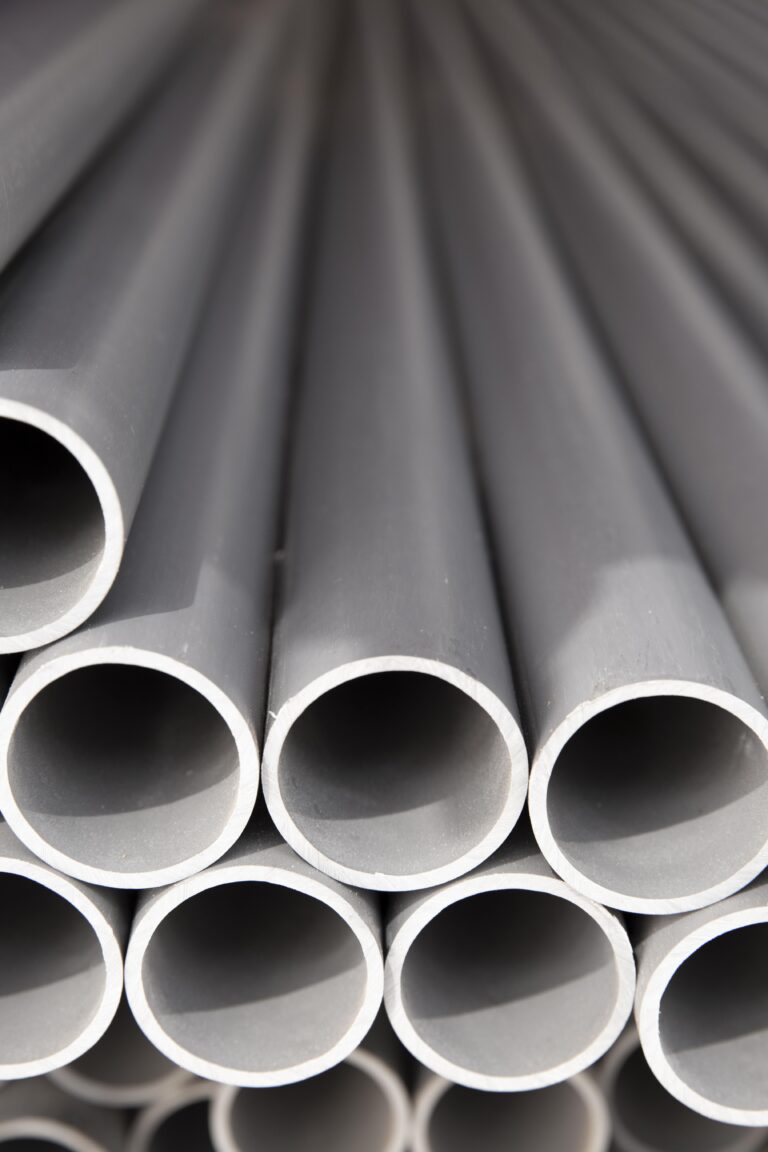
PVC conduits are ordinary plastic conduits that are used to protect electric wiring. PVC conduits are cheap and easy to install.
However, despite their efficiency in protecting electric wires from damage, ordinary PVC conduits are not made with fire safety in mind. In the case of extreme heat, ordinary PVC conduits might melt easily and produce heavy smoke.
Here, the significant difference between FRLS and PVC conduit comes into play.
Why Fire Safety in Electrical Conduits Matters
Fires caused by electricity occur more often than one would expect. Studies on fire safety indicate that electrical malfunctions play an important role in residential and commercial fire accidents globally.
Apart from the wiring itself, the materials that form the conduits housing the wiring may also affect how quickly a fire spreads within a structure.
For instance, think about a scenario where there is a short circuit occurring within a crowded residential building during the night. Having conduits that slow down the spread of flames and minimize smoke formation can help residents evacuate safely.
That is why more contractors are choosing FRLS conduits in current construction projects.
Key Differences Between FRLS and Normal PVC Conduits
FRLS conduits are made exclusively to enhance the safety level during the fire emergency. PVC conduits are designed to protect wires from damage.
Fire resistance is one of the major distinctions between these two types of conduits. FRLS conduits can hinder the process of spreading the flame. PVC conduits can become flammable when subjected to high temperature levels.
The second criterion is smoke emission. FRLS conduits emit very little smoke during fire accidents. PVC conduits can emit dense smoke that might cause poor visibility and breathing problems during the accident.
FRLS conduits are recommended for installation in areas where human life requires more attention, such as hospitals, malls, schools, office buildings, and skyscrapers. PVC conduits are used in regular residential projects that do not require much safety.
Heat resistance is the third criterion of the comparison. FRLS conduits are produced to withstand higher temperatures and perform longer during electrical faults.
Though FRLS conduits are more expensive than PVC conduits, today most constructors find them to be better investments.
Where FRLS Conduits Are Commonly Used
Conduits made of FRLS materials are now more favored in:
- Apartment towers
- Healthcare facilities
- Learning institutions
- Shopping centers
- Data centers
- Industries
- Hotels and business complexes
This is due to the strict fire safety requirements that must be complied with in places where many people may be inside the building.
Are Normal PVC Conduits Still Useful?
Yes, definitely.
Standard PVC pipes continue to be effective in many smaller-scale residential constructions, especially when cost considerations and low fire safety standards prevail.
They continue to be in use due to their:
- Affordability
- Ease of installation
- Lightness
- Wide availability
But contractors must consider whether the savings are worth foregoing enhanced fire safety.
Strength and Durability Comparison
The FRLS conduit is more than just resistant to fire. There are many high-quality FRLS conduits available that are also mechanically strong and have a long lifespan.
Ideal conduits must be able to withstand:
- Internal wiring temperature
- Moisture
- Wall pressure when erected
- Electrical loading
There have been advancements in FRLS technology over the last few years. Most FRLS conduits today are flexible yet structurally strong.
Choosing the Right Brand Matters
The production quality for conduits varies significantly among brands. Despite having a similar appearance, their functionality may be entirely different when subjected to practical use cases.
This is why contractors prefer to compare Austro Pipes with normal PVC conduit.
Reputable brands emphasize the following characteristics for their conduits:
- Uniform wall thickness
- High-quality raw materials used
- Fire resistant properties
- Impact resistant features
- Durability
It is important that conduits are not easily breakable when installed and do not become brittle even after several years in the walls.
Cost vs Long-Term Value
Another myth is that FRLS conduits are very costly. In truth, the cost disparity is rather insignificant compared to the total budget for the construction project.
But let’s take a step back and look at the overall benefits:
- Enhanced safety
- Increased compliance with contemporary standards
- Decreased likelihood of fires
- Increased lifespan of the products
- More protection for expensive electrical wiring
Putting in a little extra effort now will save you from significant expenses in the long run.
How to Identify a Good FRLS Conduit
Before purchasing any conduits, ensure that you have checked:
- ISI marking
- Brand image
- Fire resistance characteristics
- Consistent pipe thickness
- Durability
The best suppliers must always indicate the FRLS properties of the products on the package.
Which One Should You Choose?
It all depends upon your project type and safety requirements.
FRLS conduits must be chosen when:
- Safety is of paramount importance
- Electrical load in the building is large
- Project is commercial or industrial
- Protection is of high importance
PVC conduits can be used in case of:
- Financial constraint in your project
- It’s a simple residential wiring job
- Requirements related to fire safety are not stringent
However, these days even small scale residential projects are opting for a more protected system due to increased safety consciousness among modern house owners.
Final Thoughts
While electrical conduits can remain out of sight in concealed locations behind walls, it does not minimize the importance of their function in our lives on a daily basis for years and years to come without much thought.
Choosing either FRLS or PVC pipe for your electrical wiring project should not only be based on technical specifications but also in making safer decisions.
A top-quality electrical conduit system could provide long-term benefits in ensuring electrical safety and decreasing fire risks in addition to peace of mind for many years to come, whether you have a residential, commercial, or industrial building.
Sometimes, safe investments can go unseen.
Frequently Asked Questions
What does the acronym FRLS stand for in conduit pipes?
FRLS stands for Fire Retardant Low Smoke. These conduits prevent fire from spreading, and when overheated, they emit lesser smoke than regular conduits.
Are FRLS conduits superior to ordinary PVC conduits?
Yes, they provide increased fire resistance, minimal smoke emission, and greater safety during electrical faults.
Are FRLS conduits applicable in houses?
Yes, they are popular in contemporary housing constructions due to their improved safety features.
Are FRLS conduits more expensive?
Yes, they are more expensive compared to conventional PVC conduits but they offer more safety value over time.
Can FRLS conduits survive for long periods?
The vast majority of the highest-quality FRLS conduits can last longer.