What Are UPVC SWR Pipes? Uses, Benefits, and Installation Guide
In modern construction, drainage systems play a vital role in maintaining hygiene and structural safety. One of the most reliable solutions widely used today is UPVC SWR piping. If you are planning a residential or commercial project, understanding what are UPVC SWR pipes used for in drainage systems can help you make better decisions.
This guide explains everything—from uses and features to installation—while helping you understand why these pipes are preferred in today’s plumbing systems.
What Are UPVC SWR Pipes?
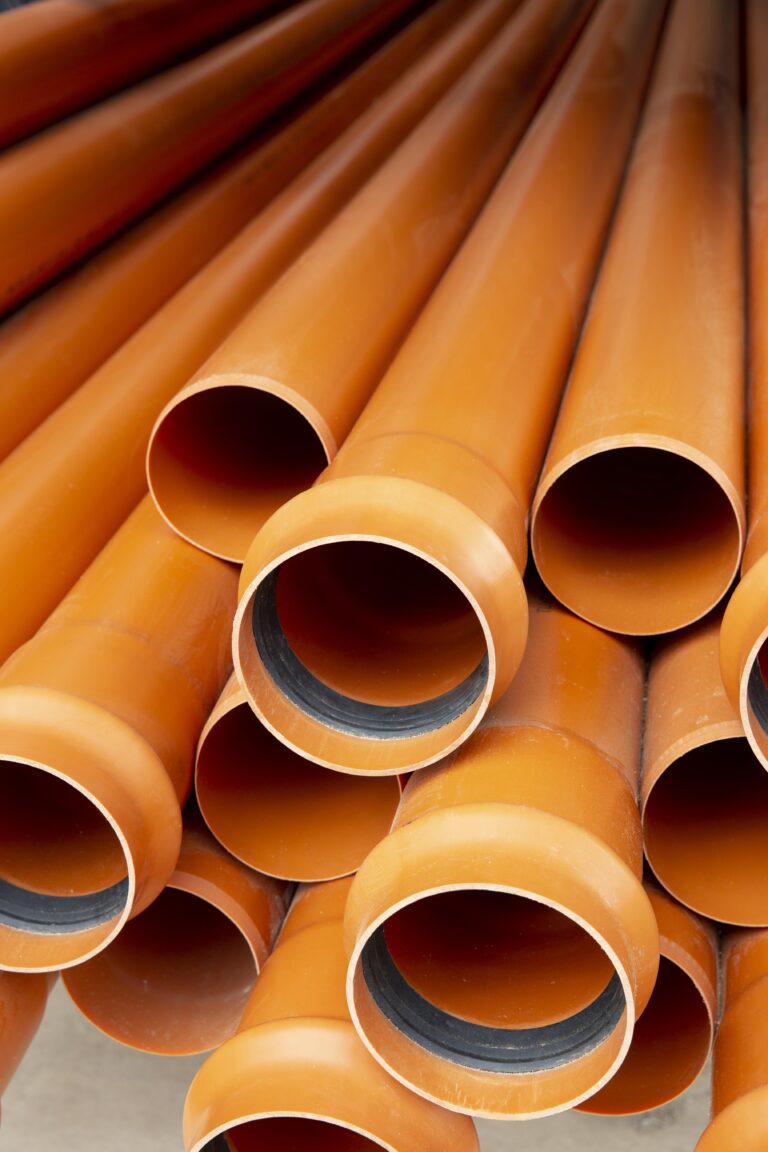
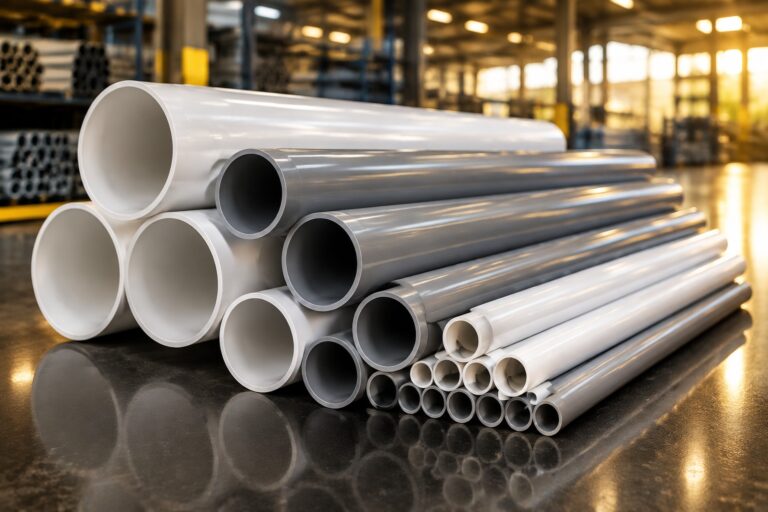
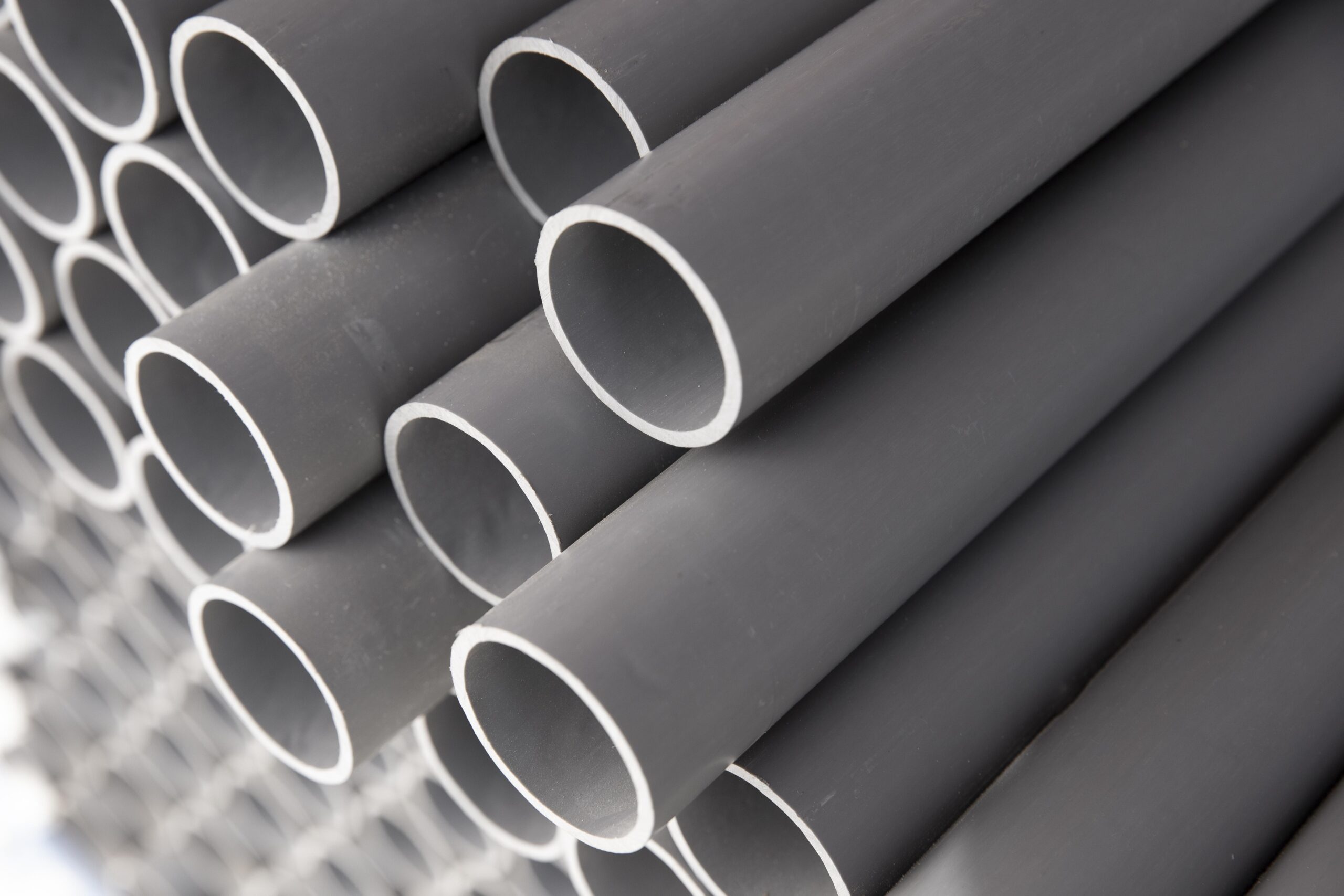
UPVC SWR pipes (Soil, Waste, and Rainwater pipes) are specially designed pipes made from unplasticized polyvinyl chloride. These pipes are used for efficient disposal of soil waste, wastewater, and rainwater in drainage systems.
If you’re wondering what are UPVC SWR pipes used for in drainage systems, they are primarily used to carry waste from toilets, bathrooms, kitchens, and rooftops safely away from buildings. Their corrosion-resistant and lightweight properties make them ideal for long-term use.
UPVC SWR Pipes Used for in Drainage Systems
Understanding UPVC SWR pipes used for in drainage systems helps you see their importance in construction. These pipes are commonly used for:
- Soil discharge from toilets
- Wastewater removal from kitchens and bathrooms
- Rainwater drainage from roofs
- Ventilation in plumbing systems
Because of their versatility, UPVC SWR pipes used for in drainage systems are essential for maintaining a clean and efficient drainage network in residential and commercial buildings.
Features of SWR Pipes for Residential Drainage Systems
When selecting drainage materials, knowing the features of SWR pipes for residential drainage systems is crucial. These pipes are designed with performance and durability in mind.
Some key features of SWR pipes for residential drainage systems include:
- Corrosion resistance: Unlike metal pipes, they do not rust or degrade
- Lightweight design: Easy to transport and install
- Smooth inner surface: Ensures better flow and reduces clogging
- High durability: Long lifespan with minimal maintenance
- Leak-proof joints: Prevent water seepage and contamination
These features of SWR pipes for residential drainage systems make them a preferred choice for modern homes.
Benefits of UPVC SWR Pipes for Soil and Waste Systems
There are several benefits of UPVC SWR pipes for soil and waste systems that make them superior to traditional materials like cast iron or clay pipes.
- Cost-effective solution: Affordable compared to metal piping systems
- Low maintenance: Requires minimal repairs over time
- Chemical resistance: Can handle harsh wastewater without damage
- Eco-friendly: Recyclable and safe for the environment
- Easy installation: Reduces labor costs and time
Because of these advantages, the benefits of UPVC SWR pipes for soil and waste systems make them highly suitable for both small and large projects.
How UPVC SWR Pipes Work in Rainwater Drainage
Efficient rainwater management is essential to prevent waterlogging and structural damage. Understanding how UPVC SWR pipes work in rainwater drainage is key to designing a reliable system.
These pipes collect rainwater from rooftops through downpipes and channel it safely into drainage systems or storage tanks. The smooth inner surface ensures quick water flow, reducing the risk of blockages.
Additionally, the design allows proper ventilation, which helps maintain pressure balance within the system. This explains how UPVC SWR pipes work in rainwater drainage effectively even during heavy rainfall.
UPVC SWR Pipe Installation Guide Step by Step
Proper installation is crucial for performance and longevity. Here is a simple UPVC SWR pipe installation guide step by step:
Step 1: Planning and Measurement
Measure the required pipe length and layout before starting installation.
Step 2: Cutting the Pipe
Use a proper pipe cutter to ensure clean and accurate cuts.
Step 3: Cleaning the Edges
Remove burrs and dust to ensure tight connections.
Step 4: Applying Lubricant or Cement
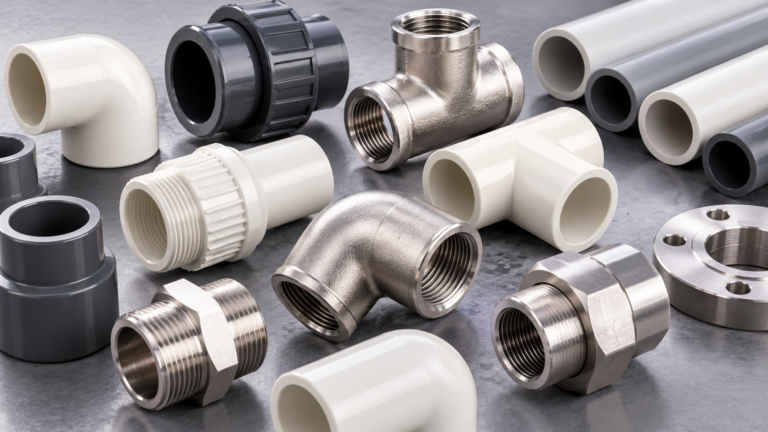
Depending on the joint type (ring-fit or solvent), apply lubricant or adhesive.
Step 5: Joining the Pipes
Insert the pipe into the fitting and ensure proper alignment.
Step 6: Securing the System
Use clamps to hold pipes firmly in place.
Step 7: Testing
Check for leaks before final use.
Following this UPVC SWR pipe installation guide step by step ensures a durable and leak-proof drainage system.
Why Choose UPVC SWR Pipes?
Choosing the right piping system is essential for long-term performance. With their durability, affordability, and efficiency, UPVC SWR pipes are a smart choice for modern drainage systems.
From understanding UPVC SWR pipes used for in drainage systems to exploring the benefits of UPVC SWR pipes for soil and waste systems, it is clear that these pipes offer unmatched reliability.
Final Thoughts
UPVC SWR pipes have become an integral part of modern plumbing due to their efficiency and durability. By understanding what are UPVC SWR pipes used for in drainage systems, along with their features and installation process, you can ensure a well-designed drainage system.
Whether it’s learning how UPVC SWR pipes work in rainwater drainage or following a proper UPVC SWR pipe installation guide step by step, these pipes provide a long-lasting and cost-effective solution for residential and commercial projects.
Frequently Asked Questions (FAQs)
What are UPVC SWR pipes used for in drainage systems?
They are used for carrying soil waste, wastewater, and rainwater safely away from buildings.
What are the key features of SWR pipes for residential drainage systems?
The main features of SWR pipes for residential drainage systems include durability, corrosion resistance, and smooth water flow.
What are the benefits of UPVC SWR pipes for soil and waste systems?
The benefits of UPVC SWR pipes for soil and waste systems include low cost, easy installation, and long lifespan.
How UPVC SWR pipes work in rainwater drainage?
They collect and channel rainwater efficiently from rooftops to drainage systems without blockage.
What is the installation process for SWR pipes?
Follow the UPVC SWR pipe installation guide step by step for proper installation and leak-free performance.