Why UPVC Pipes for Residential Plumbing Systems Support Efficient Water Distribution
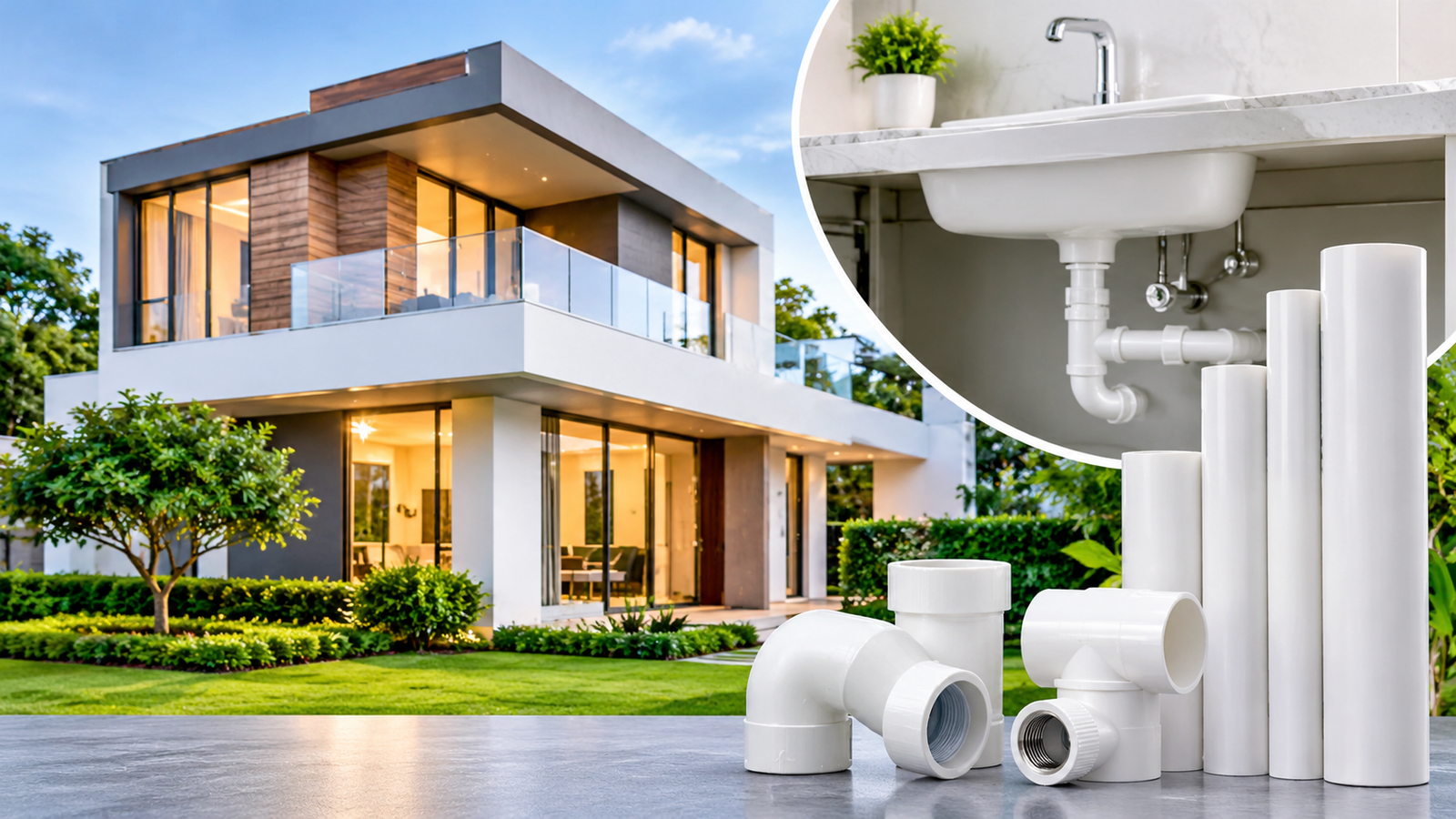
UPVC pipes for residential plumbing systems play an important role in maintaining a reliable water supply throughout a home. From kitchen taps and bathroom showers to overhead tanks and household water connections, every home needs a properly planned plumbing network. Choosing suitable pipes helps maintain smooth water flow, reduce maintenance concerns, and support the long-term performance of the plumbing system.
Imagine moving into a newly constructed house. The bathrooms look complete, the kitchen is ready, and the water tank has been installed. However, behind the walls and beneath the floors, an important system connects everything: the plumbing network. If the pipes are not suitable for the application, homeowners may face leakage, water supply problems, or repeated repair work.
Why UPVC Pipes for Residential Plumbing Systems Are Important
A residential plumbing network needs to distribute water from its source to different areas of the house. These connections may include bathrooms, kitchens, washing areas, water storage tanks, and outdoor taps. When comparing products from the largest PVC pipe manufacturers, homeowners should also consider their suitability for specific residential plumbing applications.
UPVC pipes for residential plumbing systems provide a practical solution for creating these water distribution networks when the pipe specifications match the intended application.
Here are some reasons why they are commonly considered for residential plumbing projects.
1. Support Smooth Water Flow
A plumbing system should deliver water efficiently to different parts of the house. The internal surface of UPVC pipes is generally smooth, which helps water move through the pipeline with less friction compared with rougher internal surfaces.
Proper pipe sizing and system design are also important. If the pipe diameter is too small for the required water demand, homeowners may experience reduced flow at certain outlets.
Selecting the correct pipe size helps maintain suitable water distribution across the building.
2. Resistance to Corrosion
One of the useful properties of UPVC material is its resistance to rust and corrosion.
Unlike conventional metal pipes, UPVC does not rust when exposed to water under normal operating conditions. This makes it suitable for many residential plumbing applications.
Its corrosion-resistant properties can help maintain the condition of the pipeline over time, provided the pipes are installed and used according to the manufacturer’s specifications.
3. Lightweight and Easy to Handle
Construction workers and plumbers need materials that are convenient to transport and install.
UPVC pipes are relatively lightweight compared with many traditional metal piping materials. This makes handling easier during transportation, cutting, and installation.
Their lightweight nature can also make them convenient for residential construction projects where pipes need to be routed through different sections of the building.
4. Low Maintenance Requirements
A properly installed UPVC plumbing system generally requires limited routine maintenance.
Since the material does not rust, homeowners do not have to deal with the same corrosion-related concerns associated with some metal pipes.
However, joints, fittings, valves, and connections should still be inspected when necessary. Good installation practices play an important role in reducing future plumbing problems.
How UPVC Pressure Pipes for Water Support Residential Supply
Water distribution systems need pipes that can handle the pressure created by pumps, overhead tanks, and other water supply arrangements. A reliable UPVC SWR Pipes Manufacturer also offers suitable piping solutions for efficient drainage and residential plumbing requirements.
UPVC pressure pipes are manufactured for applications where the pipeline needs to carry water under specified pressure conditions.
For example, consider a two-storey house with an underground water storage tank and an overhead tank. Water may travel through a pump-operated pipeline before reaching the storage tank. From there, it is distributed to different household connections.
The pipes used in these arrangements must be selected according to the working pressure and installation requirements.
Understanding Pressure Ratings
Not every UPVC pipe is designed for the same pressure conditions. Different products are manufactured with specific pressure ratings and dimensions.
Before purchasing, check the following:
- The pressure rating mentioned in the product specifications.
- The pipe diameter required for the water supply.
- The expected operating pressure of the system.
- The temperature and installation conditions.
- Compatibility with fittings and connecting components.
Selecting a pipe with the correct pressure rating helps reduce the possibility of pressure-related failures.
Suitable Applications
Pressure-rated UPVC pipes may be used in residential water supply networks, including:
- Water distribution from storage tanks.
- Pump-connected water supply lines.
- Internal and external water supply arrangements.
- Connections between different plumbing sections.
The exact application should always match the manufacturer’s recommendations and relevant plumbing requirements.
Benefits of Using UPVC Pipes for Home Plumbing
When planning a new house or renovating an existing property, homeowners often compare different pipe materials.
UPVC pipes for plumbing offer several practical benefits that make them worth considering for suitable water distribution applications.
1. No Rusting Problems
Metal pipes may experience corrosion depending on the material and surrounding conditions. UPVC does not rust, making it a useful alternative for many water supply installations.
This property can help maintain the condition of the plumbing network and reduce corrosion-related maintenance concerns.
2. Smooth Internal Surface
The smooth internal surface of UPVC pipes helps water flow through the system efficiently.
It can also reduce the tendency for certain deposits to accumulate compared with rougher pipe surfaces. However, water quality and installation conditions can still affect pipeline performance.
3. Convenient Installation
UPVC pipes are available in different sizes and can be connected using compatible fittings and suitable joining methods.
Their lightweight structure makes them easier to move around residential construction sites.
Plumbers should follow the manufacturer’s instructions for cutting, joining, solvent cement application, and installation to achieve reliable connections.
4. Long-Term Practical Use
Homeowners generally want plumbing materials that can perform consistently without frequent replacement.
Suitable UPVC pipes can provide long-term service when they are selected for the correct application, protected from unsuitable environmental conditions, and installed properly.
This makes product specifications and installation quality important considerations during purchasing.
How a Residential UPVC Pipe System Supports Better Water Distribution
A well-designed UPVC pipe system connects different water supply points throughout a home.
Think about the plumbing requirements of a typical family house. Water may need to reach two bathrooms, a kitchen sink, a washing machine connection, and outdoor cleaning areas.
Without proper planning, the plumbing layout can become complicated. Incorrect pipe sizing or poorly placed connections may also affect water delivery.
A properly planned system helps organise these connections.
Separate Water Supply Routes
A residential plumbing layout may include separate routes for different sections of the building.
For example, one pipeline may supply the kitchen, while another provides water to the bathrooms. The arrangement depends on the building design and water requirements.
Planning these routes carefully helps plumbers organise connections and makes the system easier to understand during maintenance.
Correct Pipe Sizing
Pipe diameter affects water flow and pressure throughout the plumbing network.
A pipe that is too small may restrict the required flow, while an unnecessarily large pipe may increase material costs.
Plumbers should calculate the required pipe sizes according to water demand, pipeline length, pressure conditions, and the number of connected outlets.
Compatible Fittings and Connections
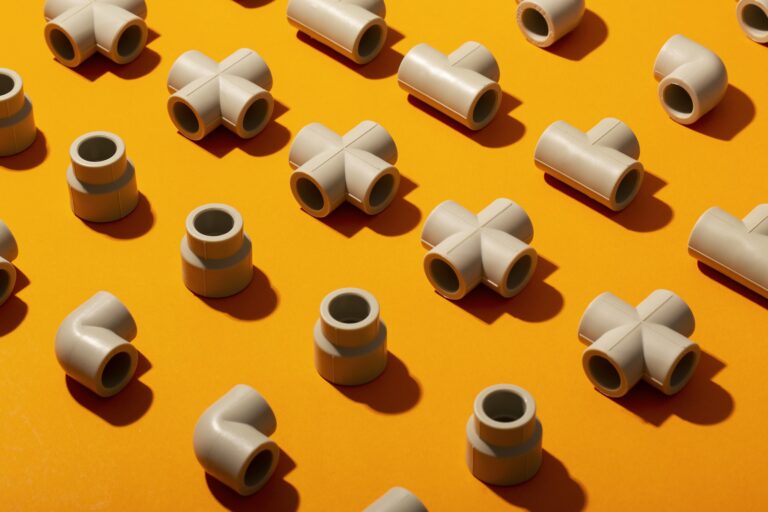
A plumbing network requires more than straight pipes. It also uses elbows, tees, couplers, reducers, and other fittings.
These components help connect different sections and change the direction of the pipeline.
Using compatible fittings and following the correct joining procedure helps create a reliable plumbing arrangement.
What to Check When Selecting UPVC Water Supply Pipes
Choosing suitable UPVC water supply pipes requires attention to product specifications rather than appearance alone.
Whether you are a homeowner, builder, contractor, or plumber, checking the following details can help you make a better purchasing decision.
Pipe Dimensions and Thickness
Check the available pipe diameters and wall thicknesses before purchasing.
The dimensions should match the plumbing design and intended application. Different sizes may be needed for different sections of a house.
Pressure Rating
Always verify the pressure rating mentioned by the manufacturer.
The selected pipe should be suitable for the operating pressure of the water distribution system. Avoid assuming that every UPVC pipe can be used for pressure applications.
Manufacturing Quality
Product quality affects the performance and reliability of the plumbing network.
Look for pipes with consistent dimensions, a smooth finish, and clear product markings. You should also check relevant manufacturing standards and quality documentation.
Suitable Fittings
Pipes and fittings should be compatible with each other.
Using unsuitable connectors or incorrect joining materials can create weak joints and increase the possibility of leakage.
Manufacturer Information
Choose products from manufacturers that provide clear technical specifications and installation guidelines.
Reliable product information helps plumbers understand the correct application, pressure limits, and installation requirements.
Conclusion
UPVC pipes offer a practical solution for many residential water distribution requirements. Their lightweight structure, corrosion resistance, and smooth internal surface make them suitable for various home plumbing applications. Choosing a reliable UPVC pipe manufacturer also helps ensure consistent product quality and dependable plumbing solutions.
Choosing the right pipe specifications, compatible fittings, and proper installation methods is essential for reliable performance. With careful planning, homeowners and builders can develop an organised plumbing system that supports everyday water requirements.
Enquire About Quality UPVC Pipes Today!
Looking for reliable UPVC piping solutions for residential plumbing? Contact AustroPipes to discuss your requirements and find suitable products for efficient water distribution.
Call Now: +91 99495 04930
Email: info@austropipes.com
Frequently Asked Questions
1. Why are UPVC pipes for residential plumbing systems suitable for homes?
UPVC pipes for residential plumbing systems are suitable for many homes because they are lightweight, corrosion-resistant, and have smooth internal surfaces that support efficient water flow.
2. What are UPVC pressure pipes for water used for?
UPVC pressure pipes for water are used in water supply networks where pipes must handle specified operating pressure, such as pump-connected pipelines and residential water distribution systems.
3. How do UPVC pipes for home plumbing help reduce maintenance?
UPVC pipes for home plumbing do not rust like conventional metal pipes. Their corrosion-resistant properties help reduce rust-related maintenance concerns when the pipes are used correctly.
4. What should I consider when installing a residential UPVC pipe system?
When installing a residential UPVC pipe system, consider pipe dimensions, pressure ratings, water demand, compatible fittings, and the manufacturer’s installation instructions.
5. Are UPVC plumbing pipes suitable for overhead tank connections?
UPVC plumbing pipes can be suitable for overhead tank connections when their pressure ratings, dimensions, and specifications match the water supply arrangement and installation requirements.