How a PVC Junction Box Manufacturer in India Supports Safer Electrical Wire Connections
By@seo
Electrical wire connections need proper protection to reduce the risk of accidental contact, damaged insulation, and wiring faults. A PVC junction box manufacturer in India supports safer electrical installations by supplying enclosures that help protect wire joints, organise cable connections, and integrate with suitable conduit systems.
PVC junction boxes are commonly used in residential, commercial, and industrial electrical installations. However, safety depends on more than the box itself. The right dimensions, material quality, secure cover, compatible conduit connections, and correct installation all contribute to reliable performance.
For electricians, contractors, builders, and electrical product distributors, understanding these factors helps them select suitable junction boxes for different applications. This article explains how PVC junction boxes support wiring safety and what to consider when choosing a supplier such as AustroPipes.
What Is a PVC Junction Box?
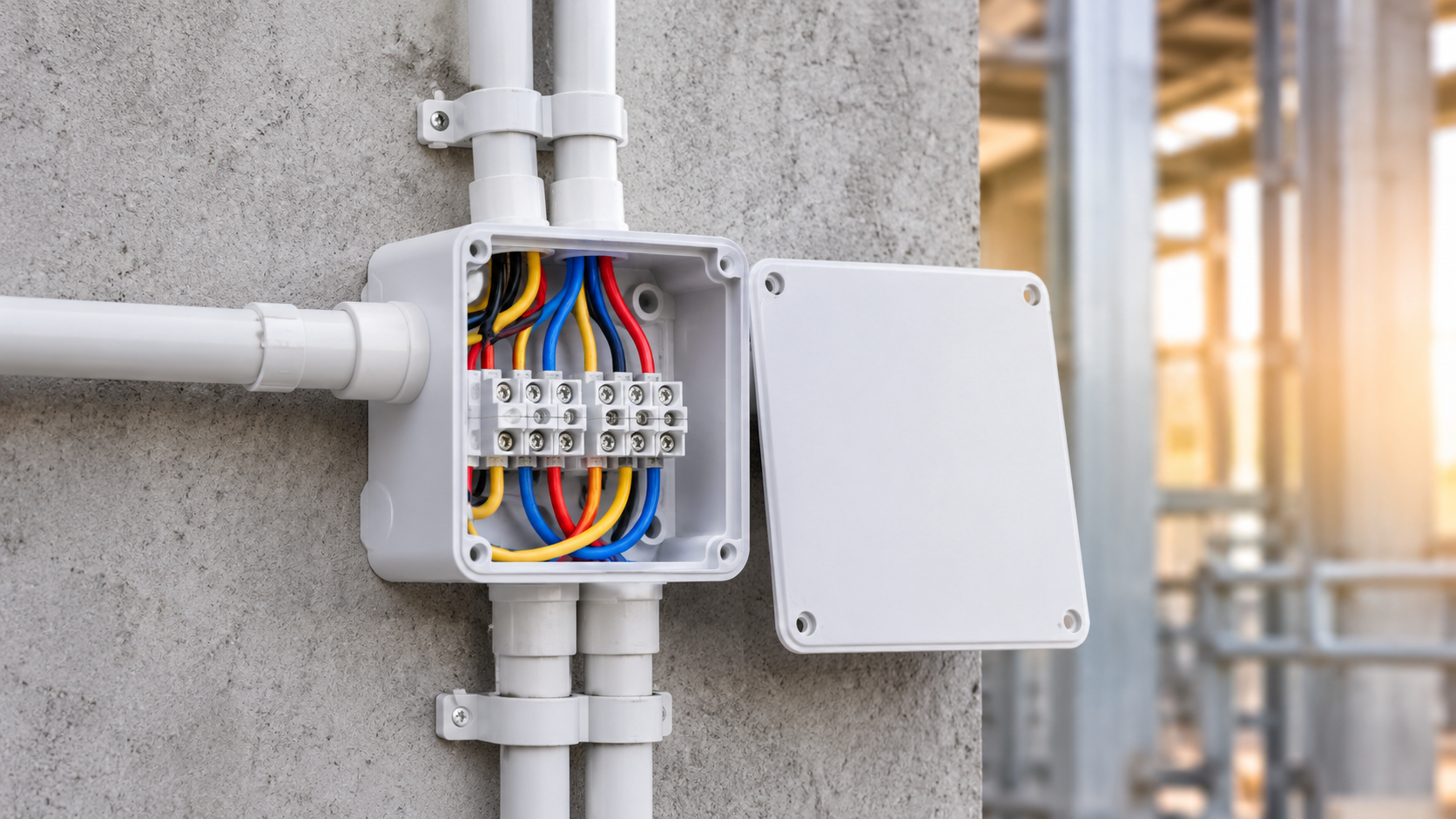
A PVC junction box is an enclosure designed to contain and protect electrical wire connections where two or more conductors meet or where a circuit branches into different directions. It helps keep connections organised and reduces exposure to accidental physical contact. These boxes are generally made from polyvinyl chloride (PVC), a plastic material valued for its electrical insulating properties and resistance to corrosion. Their suitability for a particular installation depends on the product’s design, temperature rating, mechanical strength, and intended operating conditions. A junction box may be installed in walls, ceilings, or other suitable locations, depending on the electrical layout and product specifications. It should remain accessible wherever inspection or maintenance is required.How a PVC Junction Box Manufacturer in India Supports Electrical Safety
A reliable manufacturer contributes to electrical safety through appropriate product design, consistent manufacturing quality, and compatibility with the intended wiring system.1. Helps Protect Wire Connections
A properly selected enclosure keeps wire joints contained and reduces the likelihood of accidental contact with exposed connections. It also provides a physical barrier against incidental impacts and other environmental influences within the limits of its design. The box must be correctly sized so that conductors, connectors, and other permitted components fit without overcrowding. Electrical connections should be made using suitable connectors rather than relying on twisting wires together without an appropriate joining method.2. Supports Electrical Insulation
PVC is an electrically insulating material, making it useful for electrical enclosures and conduit accessories. A suitable PVC electrical connection box provides an insulating housing around enclosed connections. However, the enclosure does not eliminate every electrical hazard. Damaged insulation, loose terminals, excessive heat, moisture entering an unsuitable box, or incorrect wiring can still create risks. Proper installation and inspection remain essential.3. Keeps Wiring Organised
Junction boxes help organise branching circuits and connection points. An orderly arrangement makes it easier for qualified electricians to identify wiring routes, inspect connections, and carry out maintenance. When connected to compatible conduits, the box can also help create a more structured wiring system. This is particularly useful in buildings with multiple lighting points, switches, sockets, or other electrical circuits.4. Helps Reduce Physical and Environmental Exposure
A suitable enclosure can help protect connections from dust, incidental contact, and other environmental conditions specified for the product. The actual level of protection depends on its construction, cover design, installation method, and any applicable ingress-protection rating. For damp, dusty, or outdoor locations, installers should choose products specifically rated for those conditions. A standard indoor junction box should not automatically be assumed suitable for wet environments. PVC pipe manufacturers in India also offer products designed for different installation environments and application requirements.Key Features to Check When Choosing a Junction Box
When sourcing from a PVC junction box manufacturer in India, buyers should assess product specifications rather than choosing solely on price or appearance.- Material quality: Check the consistency, finish, and suitability of the PVC for the intended application.
- Mechanical strength: The enclosure should withstand the expected handling and installation conditions without cracking or deforming.
- Dimensions and capacity: Ensure there is adequate space for the conductors and connectors, following applicable wiring requirements.
- Cover fit: The cover should fit securely and remain in place as designed.
- Conduit compatibility: Entry points and dimensions should match the intended conduit system.
- Environmental suitability: Verify the specified protection level for the installation location.
- Product consistency: Reliable dimensions and finish can help simplify installation across multiple projects.
- Technical documentation: Review available specifications, ratings, installation instructions, and applicable conformity information.
How to Choose the Right Manufacturer or Supplier
A dependable supplier should understand the needs of the electrical distribution market and provide clear product information. Before placing a bulk order, compare the following factors.Manufacturing Quality and Consistency
A PVC conduit box manufacturer should maintain consistent dimensions, clean moulding, and suitable finishing. Consistency matters because poorly fitting boxes or incompatible entry points can complicate installation and may compromise the intended enclosure arrangement.Product Range and Compatibility
Check whether the supplier offers junction boxes in suitable sizes and configurations for the intended wiring applications. Compatibility with conduit fittings and other accessories can help simplify procurement and reduce installation difficulties. A wiring junction box supplier should be able to explain the intended use of its products and provide specifications that help buyers assess compatibility.Documentation and Technical Support
Ask for product datasheets, material specifications, applicable ratings, and installation guidance. Where relevant, verify claims of compliance against the applicable Indian Standards and the product’s actual documentation rather than relying on general marketing statements. For larger projects, also assess order quantities, delivery timelines, packaging, and the supplier’s ability to maintain consistent product availability.Common Junction Box Selection and Installation Mistakes
Even a well-manufactured box cannot compensate for poor installation. Avoid these common mistakes:- Overcrowding the enclosure: Too many wires or connectors can make connections difficult to inspect and may create installation problems.
- Using an incompatible box: Incorrect dimensions or entry points can interfere with conduit connections and secure fitting.
- Leaving the cover loose: An improperly secured cover can expose internal connections to accidental contact.
- Ignoring environmental conditions: A product intended for indoor use may not provide adequate protection outdoors or in damp areas.
- Hiding inaccessible connections: Junction boxes should be positioned so that inspection and maintenance can be carried out as required.
- Assuming PVC makes the installation completely safe: Correct conductor sizing, suitable connectors, circuit protection, and workmanship are still necessary.
Where Are PVC Junction Boxes Used?
PVC junction boxes are used in various electrical applications, depending on the product’s design and rating.- Residential buildings: Organising connections for lighting, switches, and other circuits.
- Commercial properties: Managing wiring branches in offices, retail premises, and similar buildings.
- Industrial facilities: Housing suitable electrical connections in designated areas where the product meets the operating conditions.
- New construction projects: Integrating wiring connections with compatible conduit systems during electrical installation.
- Renovation and maintenance: Providing appropriate enclosures for accessible connection points in existing installations.