UPVC Pipe Manufacturers: What to Check Before You Choose One
UPVC Pipe Manufacturers: What to Check Before You Choose One
UPVC – unplasticized polyvinyl chloride – is one of the most widely used piping materials in Indian homes, farms and buildings. It is rigid, does not corrode, and handles cold-water supply lines, drainage and many agricultural applications without the rust and scaling problems of metal pipes. But the material is only half the story. The manufacturer behind the pipe decides whether what reaches your site actually performs the way UPVC should. This guide explains what separates a careful UPVC pipe manufacturer from a careless one, and the checks worth doing before you place an order.
TL;DR
- UPVC is a rigid, corrosion-free piping material suited to cold-water supply, drainage and agriculture; it is not designed for hot-water lines.
- ISI certification against the relevant Indian Standard is the single most useful filter when comparing manufacturers.
- Check the manufacturer’s range: a serious UPVC producer offers matching fittings, not just pipes.
- Ask for the standard the pipe is made to, and confirm the mark on the pipe itself matches it.
- Consistency between batches matters more than any single sample; buy from a manufacturer whose quality you can verify.
- Follow the manufacturer’s instructions for jointing, handling and installation – they override generic advice.
What UPVC actually is, in plain terms
Regular PVC becomes flexible because plasticizers are added during manufacturing. UPVC skips the plasticizers, which keeps the material rigid and gives it its full name: unplasticized polyvinyl chloride. That rigidity is what makes UPVC pipes stiff, strong in straight runs, and resistant to the slow sagging that flexible plastics can show over time.
For a buyer, the practical picture is simple. UPVC pipes do not rust, do not corrode in most soil and water conditions, and do not add taste or odour to the water they carry. They are light compared to metal, which makes transport and installation easier, and their smooth inner surface keeps flow consistent. The trade-off is temperature: UPVC is a cold-water material. For hot-water lines, CPVC is the related material designed for that job, and confusing the two is one of the most common buying mistakes in the piping aisle.
Where UPVC pipes are commonly used
Understanding where UPVC fits helps you judge whether a manufacturer’s range actually covers your project.
Cold-water supply. UPVC pipes are widely used for potable water distribution in homes and buildings, because the material does not corrode or contaminate the water it carries.
Drainage and soil lines. UPVC soil, waste and rainwater systems are a standard choice in residential and commercial construction for moving wastewater out of a building.
Agriculture. Borewell casing, suction and delivery lines, and field irrigation all use rigid UPVC pipes because they handle outdoor conditions and rough handling well.
Electrical and cable protection. Rigid UPVC conduits protect wiring in walls and underground runs.
A manufacturer that makes pipes for several of these applications understands the material’s different demands. One that makes a single generic pipe for everything deserves a few more questions.
Why the manufacturer matters more than the material name
Two pipes can both be labelled UPVC and behave very differently in the ground. The difference comes from the raw material grade, the extrusion process, and the discipline of the factory’s quality checks. None of these are visible on a shop shelf, which is why the manufacturer’s reputation and certifications carry so much weight.
A careful manufacturer controls the formulation of the compound, keeps wall thickness consistent along the pipe, and tests finished pipes against the standard they claim to meet. A careless one can produce pipes that look identical but crack at joints, deform under load, or become brittle earlier than expected. You cannot see any of this with the naked eye. You can only buy the discipline, which means buying the manufacturer.
The ISI mark: your first and fastest filter
In India, the Bureau of Indian Standards issues licences that allow manufacturers to stamp the ISI mark on products that conform to a specific Indian Standard. Different UPVC products have different standards – one for water supply pipes, others for agriculture pipes, casing pipes, SWR systems and so on.
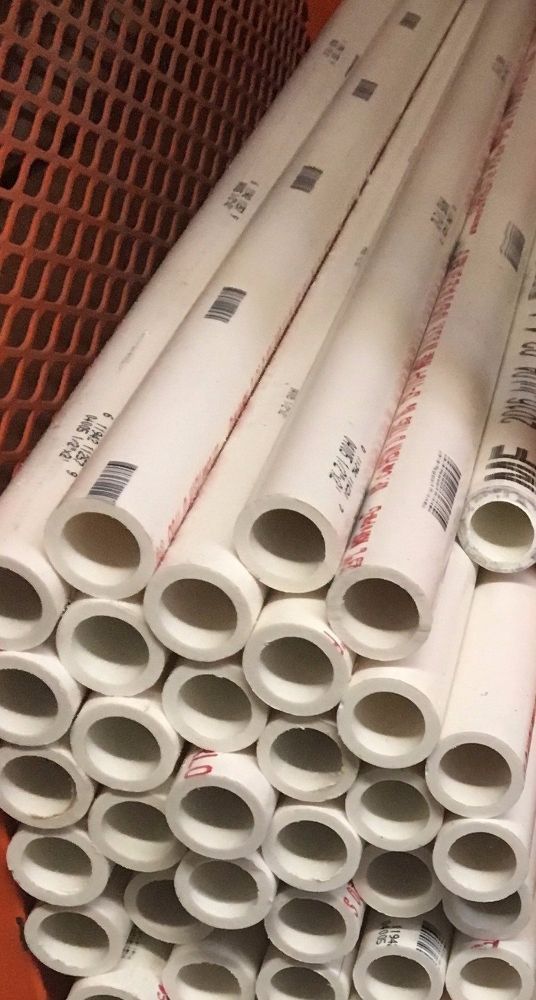
When you evaluate a UPVC pipe manufacturer, the ISI mark is the fastest meaningful filter you have. It tells you the factory’s process has been assessed against the relevant standard and that the product is made under a licence that can be verified. Look for the mark on the pipe itself, along with the standard number and the licence number printed alongside it. A pipe with no standard reference is a pipe with no verifiable promise behind it.
Keep the check general and practical: confirm the mark exists, confirm it names a standard that matches your application, and buy through channels where the product can be traced back to the manufacturer. That is as far as most buyers need to go.
What a serious manufacturer’s range looks like
A manufacturer’s catalogue tells you a lot about how seriously they take the business of piping.
Pipes and matching fittings. A pipe is only as good as its joints, and joints depend on fittings made to the same tolerances. A serious UPVC manufacturer offers elbows, tees, couplers, reducers and end caps designed to work with their pipes, so every joint in your system comes from one accountable source.
Multiple sizes and pressure classes. Real projects need options. A range of diameters and classes lets you match the pipe to the job instead of forcing one pipe into every role.
Application-specific lines. Dedicated ranges for agriculture, SWR drainage, casing or conduit show the manufacturer understands that different jobs stress pipes differently.
Clear documentation. Product literature that names the standard, the intended application and the installation method – without hiding behind marketing language – is a good sign. So is a company that answers technical questions directly.
Questions worth asking before you order
A short conversation with the manufacturer or their dealer resolves most of what a catalogue cannot tell you.
- Which Indian Standard is this pipe made to, and is the ISI mark printed on the pipe?
- Is this pipe intended for my application – supply, drainage, agriculture or conduit?
- Do you make the matching fittings, or will I be mixing brands at the joints?
- What jointing method do you recommend, and is there a solvent cement or thread sealant you specify?
- How should the pipes be stored and handled before installation?
- If a length arrives damaged or out of tolerance, how is replacement handled?
The answers matter less for their technical content than for their confidence and specificity. Vague answers to basic questions are a warning sign no brochure can cover.
Handling, storage and jointing: where good pipes go bad
Even a well-made UPVC pipe fails when it is mishandled. Pipes dragged over sharp edges, stored badly, or jointed carelessly develop problems the factory cannot be blamed for. A few habits protect your purchase.
Store pipes on a flat surface, away from direct long-term sun exposure where practicable, and support them along their length rather than stacking them in a sagging pile. Keep them away from solvents and chemicals that are not part of the jointing system. When jointing, clean the pipe end and the fitting socket, apply the solvent cement the manufacturer specifies, and give the joint the setting time the manufacturer’s instructions call for before putting the line into service. These instructions exist for a reason, and they always override generic rules of thumb.
For buried lines, bedding and backfill practice affects how the pipe performs under soil load. Follow the manufacturer’s installation guidance for your specific product rather than assuming one approach fits every pipe and every soil.
UPVC versus the alternatives, briefly
Buyers often weigh UPVC against three neighbours. CPVC handles hot water, which UPVC does not; if any part of your line carries hot water, that part needs CPVC. HDPE is flexible and comes in long coils, which suits some agricultural and underground uses, while UPVC’s rigidity suits straight runs and structured layouts. Metal pipes bring strength and heat tolerance but corrode over time, which is the problem UPVC was adopted to avoid. None of these is universally better; the right choice depends on the application, the water, and the installation conditions.
Common mistakes buyers make
- Using UPVC on hot-water lines. UPVC is a cold-water material. Hot lines call for CPVC.
- Buying pipe without fittings. Mixed-brand joints are where leaks begin.
- Skipping the ISI check. The mark on the pipe is the only quality claim you can verify at a glance.
- Ignoring jointing instructions. The manufacturer’s solvent and setting guidance decides whether joints hold.
- Judging by a single sample. Batch-to-batch consistency is what you are actually buying.
- Choosing on price alone. A failed pipe costs far more than the saving on a cheaper one.
A practical checklist before you buy
- Confirm the pipe is UPVC and suited to your application.
- Check for the ISI mark and standard number printed on the pipe.
- Confirm the manufacturer makes matching fittings for the system.
- Ask about sizes and classes available for your project.
- Get the jointing and installation instructions with the material.
- Buy through a channel that can trace the product back to the manufacturer.
Frequently asked questions
What is the difference between PVC and UPVC?
PVC contains plasticizers that make it flexible. UPVC has no plasticizers, so it stays rigid. For plumbing, drainage and agriculture, rigid UPVC is the common choice; flexible PVC shows up more in hoses and tubing.
Can UPVC pipes carry drinking water?
UPVC is widely used for potable cold-water supply because the material does not corrode or add taste or odour to water. As with any piping, buy pipes made to the relevant standard from a verifiable manufacturer.
Can UPVC be used for hot water?
No. UPVC is a cold-water material. For hot-water lines, use CPVC, which is formulated for higher temperatures. Running hot water through UPVC is one of the most common and most avoidable piping mistakes.
How do I verify a manufacturer’s ISI certification?
Look for the ISI mark, the standard number and the licence number printed on the pipe itself. The Bureau of Indian Standards maintains public records of licences, so the claim on the pipe can be checked against the issuer’s records.
Do I need branded fittings if I buy branded pipes?
Using the same manufacturer’s pipes and fittings keeps every joint within one tolerance system and one warranty conversation. Mixed systems work in a pinch, but matched systems fail less and are easier to resolve when something does go wrong.
How long do UPVC pipes last?
Service life depends on the application, the water, the installation and the handling the pipe receives. Rather than chase a number, buy certified pipe from a reliable manufacturer and follow their installation instructions – those two decisions drive longevity more than anything else.
The bottom line
Choosing a UPVC pipe manufacturer is a verification exercise, not a leap of faith. Filter by the ISI mark, insist on matching fittings, ask direct questions about standards and jointing, and follow the manufacturer’s instructions during installation. Do that, and the material’s natural advantages – rigidity, corrosion resistance and easy handling – will actually reach your project.
Austro Pipes manufactures UPVC pipes and fittings across applications including water supply, drainage, agriculture and conduit. If you are comparing options for an upcoming project, the Austro team can help you match the right pipe and fittings to the job.