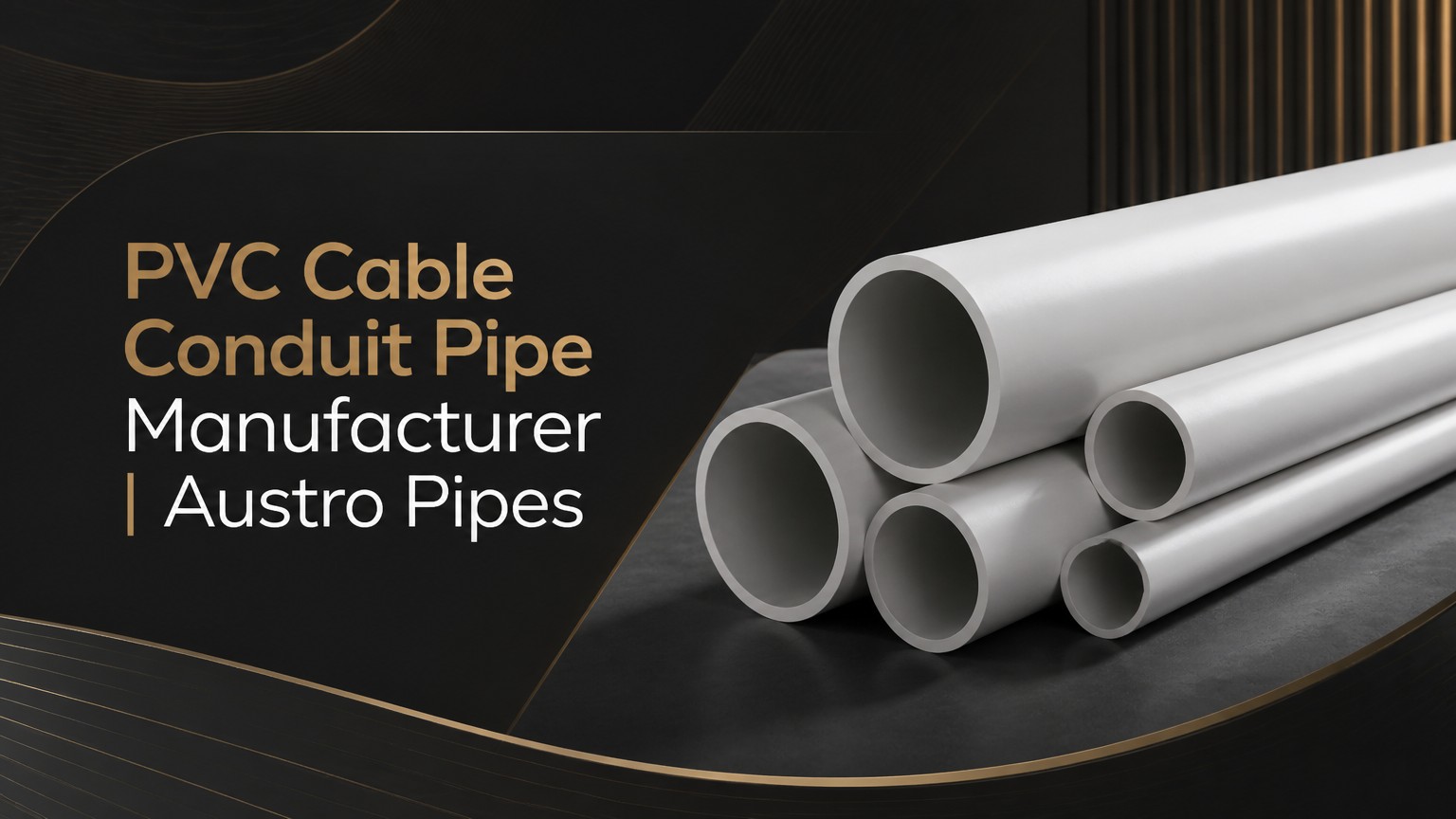
PVC Cable Conduit Pipe: Types, Uses and What to Check Before You Buy
Open the wall of any modern building and you will find a quiet network of tubes carrying every wire in the structure. That tube, the PVC cable conduit pipe, decides whether an electrical system stays serviceable for years or becomes a rewiring headache. This guide explains what a conduit pipe does, the main types and accessories, and what to check before you buy.
Quick answer
A PVC cable conduit pipe is a rigid, insulating tube that protects electrical cables from damage, moisture and wear while keeping future rewiring possible. Choose it by where it will be installed, the strength class you need and the size, and check the markings and wall thickness before you accept a supply.
What a PVC cable conduit pipe does
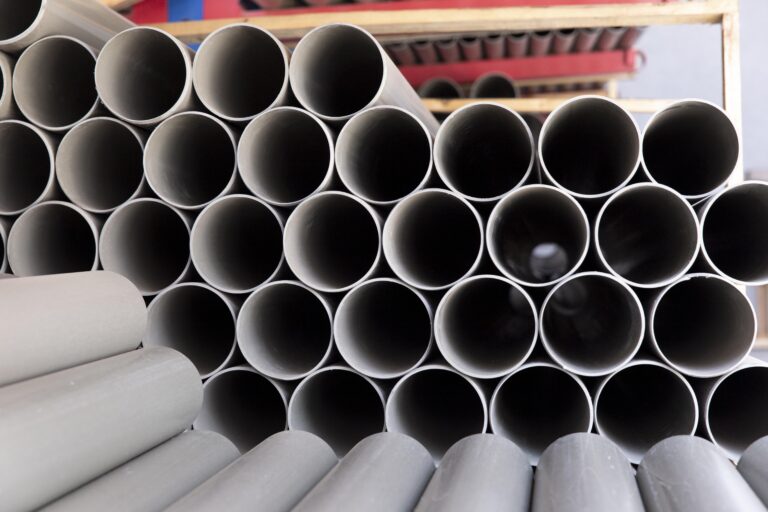
A conduit pipe carries electrical wires inside walls, slabs, ceilings and exposed runs. Its job is simple but important. It shields cables from impact, dust and moisture. It keeps the wiring route organised so an electrician can inspect it later. And because the tube stays in the building, it lets you pull out an old cable and pull in a new one without breaking walls. In short, conduit turns wiring from a one time job into a serviceable system.
The main types
Conduit is usually described by the mechanical stress it is built to handle. Light duty conduit suits concealed runs inside masonry where nothing presses on it after plastering. Medium and heavy classes are used where the tube may face more load, such as in concrete or in exposed industrial runs. Your electrician or project engineer is the right person to say which class your site needs.
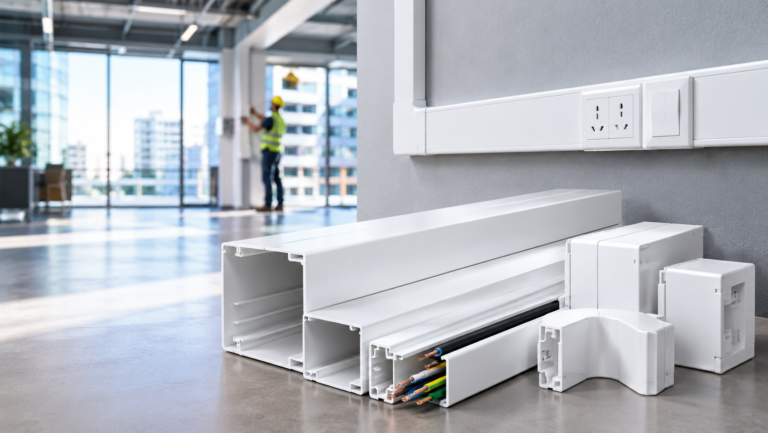
You will also hear about surface systems such as casing and capping or trunking. These are used when wires run on the surface of a wall instead of inside it, for example in a retrofit or a rented space where chasing walls is not allowed.
Accessories complete the system
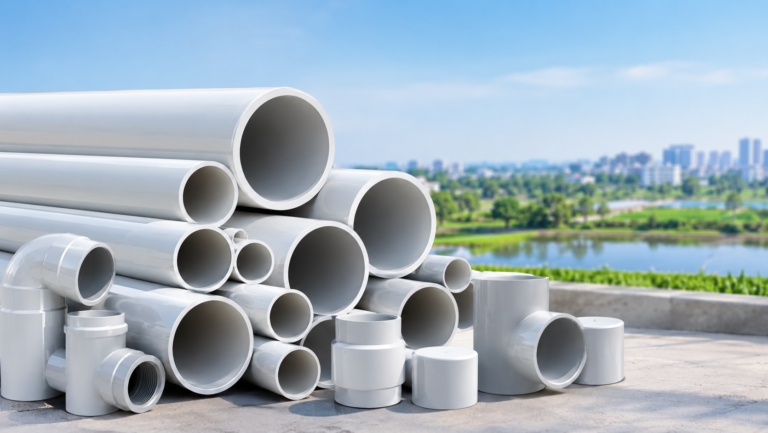
The tube is never used alone. A complete run uses bends for direction changes, couplers to join lengths, clips and saddles for fixing, and junction boxes at connection points. Every accessory should match the size of the conduit. A bend that does not match can pinch the tube and make pulling cable hard later. When you order, list the accessories along with the pipe, not as an afterthought.
What the markings tell you
Reputable conduit carries printed markings along its length: the manufacturer’s name or mark, the size, and the standard mark where applicable. In India, rigid plain conduits for electrical installations are covered by an Indian Standard, and products made to it can carry the ISI mark. Treat the marking as a starting point, not proof. Check that the printing is clean and consistent, and ask the supplier for the documents behind it.
How to choose for your site
Start with the route, not the price list. Map where the wiring will run: inside walls, across ceilings, or on the surface. Count the bends and junctions. Note damp areas like bathrooms and outdoor stretches, since these ask more of the system. Share this with your electrician and decide the class and sizes together. A little planning here saves a lot of reopening later.
What to check before you accept a supply
- The printing on the pipe is clear and repeats at regular intervals.
- The wall thickness looks even when you cut or look at the end of a length.
- The tube feels rigid and does not flatten easily in the hand.
- Bends, couplers and boxes match the pipe size and fit without forcing.
- The supplier can share product documents when you ask.
Installation basics your electrician will follow
Good conduit work is mostly discipline. Plan the full route before plastering. Use gradual bends rather than sharp turns so cables pull through easily. Fix the tube firmly so it does not move when concrete or plaster goes over it. Keep junction boxes accessible, because you will thank yourself during the first repair. And always follow the manufacturer’s instructions for the specific product you bought.
Common mistakes buyers make
- Buying on price alone and getting thin, brittle tube that cracks during installation.
- Mixing sizes or unmatched accessories, then struggling to pull cable.
- Forgetting accessories in the order and stopping work midway.
- Skipping the marking and document check at delivery.
- Using electrical conduit for plumbing or water lines, which it is not made for.
Buying for a project
For a single home, your electrician usually buys what is needed. For a larger project, it pays to deal with a manufacturer directly: you get consistent supply, matching accessories and someone to call when a site question comes up. Austro Pipes manufactures PVC conduit and a wide range of PVC, UPVC, CPVC and SWR pipes in Hyderabad, and supplies projects across India. You can reach the team through austropipes.com to discuss sizes and availability.
FAQs
Can PVC conduit be used outdoors?
It can be used in many outdoor runs, but sun and weather exposure ask more of the material. Tell the supplier where the run will go and follow their guidance and the manufacturer’s instructions.
Is electrical conduit the same as plumbing pipe?
No. Electrical conduit is an insulating tube for wires. Water supply and drainage use different pipe types made for pressure or soil conditions. Never swap one for the other.
What size conduit do I need?
It depends on the number and thickness of the wires in the run. Your electrician sizes it from the wiring plan; share that plan with your supplier.
How do I know the conduit is genuine?
Check the printed markings, look at the wall thickness, buy from a known manufacturer or authorised seller and ask for product documents.
Conclusion
A PVC cable conduit pipe is one of the least visible parts of a building and one of the most useful. Choose the right type and size for the route, match every accessory, check markings at delivery and let your electrician follow the manufacturer’s instructions. Do that, and the wiring in your walls stays safe and serviceable for a long time.