How to Choose a PVC Pipe Manufacturer in India: Standards, Range and Questions to Ask
Choosing a PVC pipe manufacturer is one of the first decisions on a housing, farm or building project, and it affects how the system performs for years. A pipe that looks fine on the shelf can cause trouble if it is not made to the right standard or is wrong for the job. This guide explains how to compare manufacturers, which questions to ask, and how to match pipes to the application.
Start With the Application
PVC pipe is not one product. Different jobs call for different pipes, so decide what you need first.
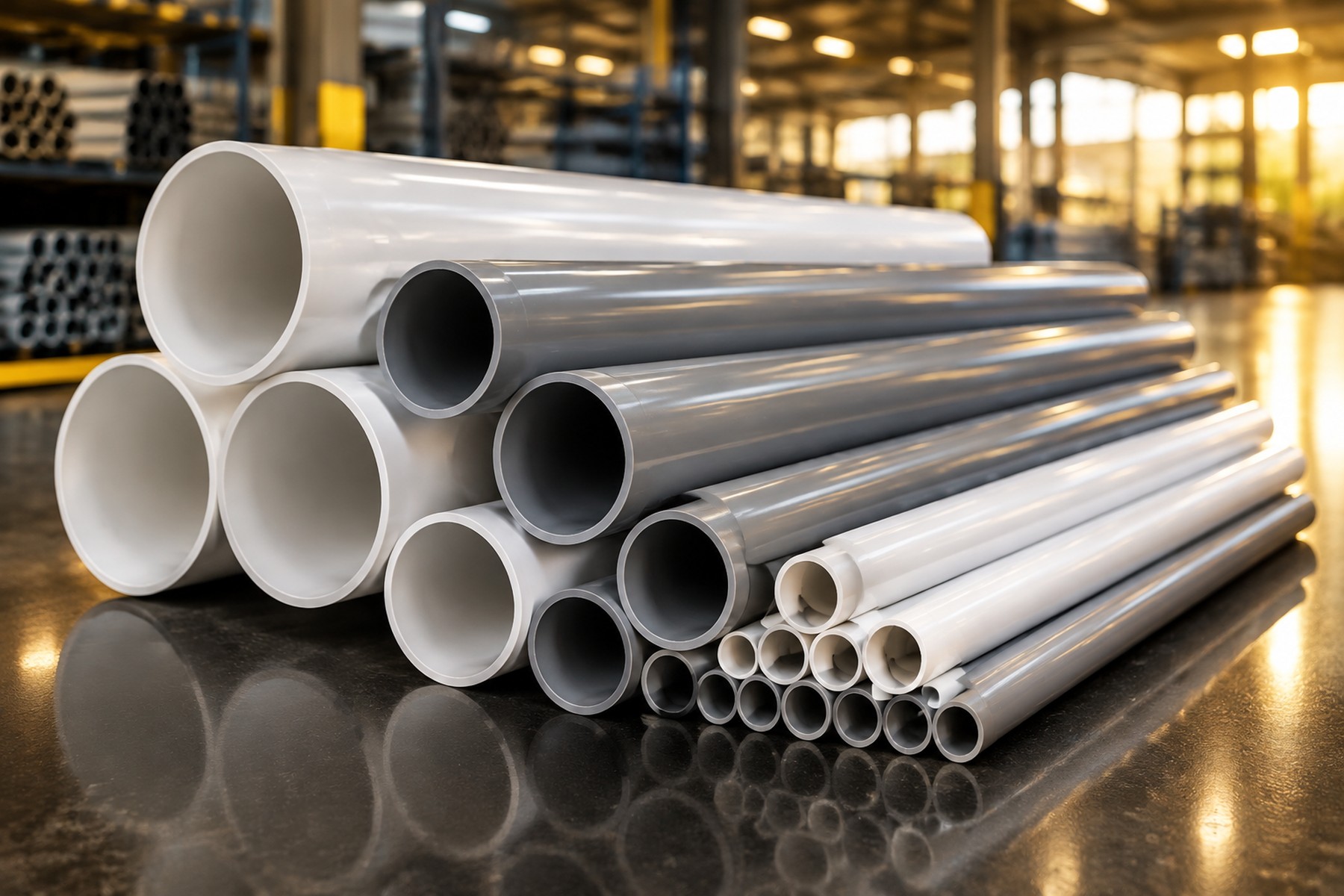
- Cold water supply: UPVC pressure pipes for homes, buildings and farms.
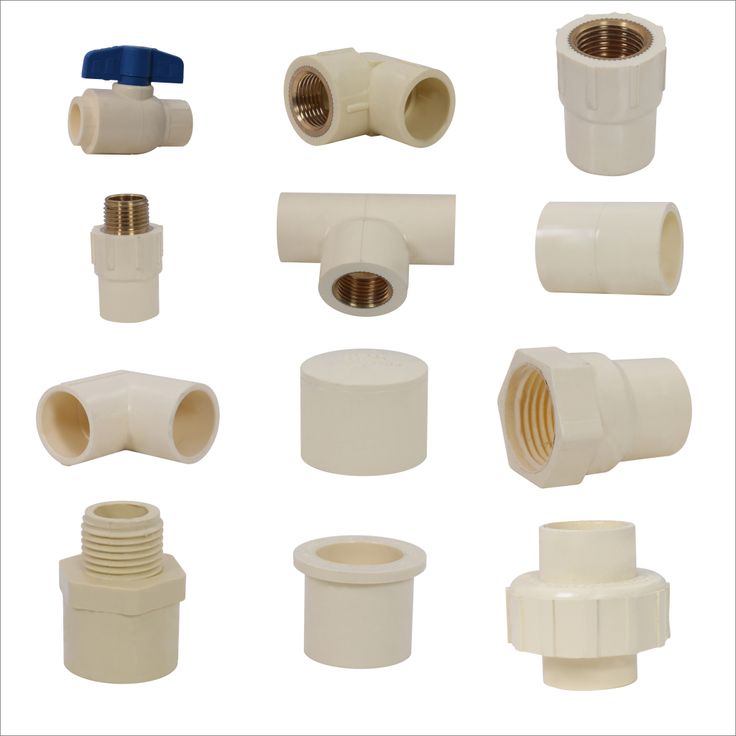
- Hot and cold water: CPVC pipes and fittings, which are made for higher temperatures.
- Soil, waste and rainwater: SWR pipes and fittings for drainage.
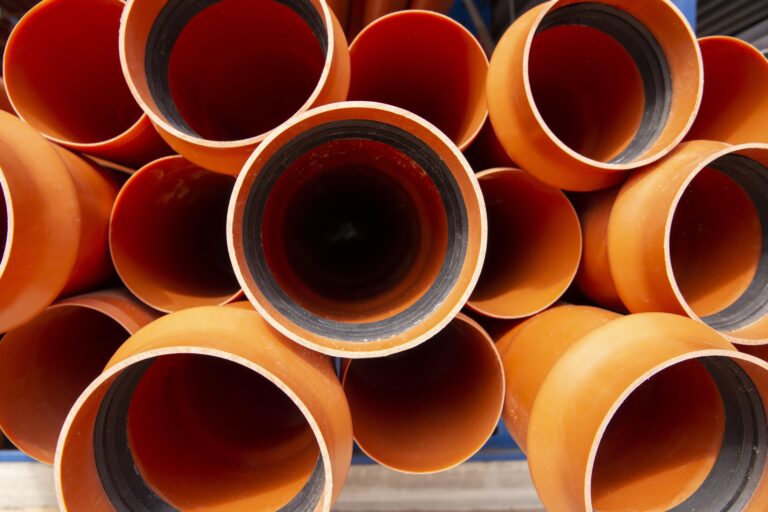
- Underground drainage and cable ducts: double wall corrugated (DWC) pipes.
- Electrical wiring: conduit pipes, and casing and capping for surface wiring.
- Farm water lines: rigid PVC agriculture pipes and the matching fittings.
A manufacturer who makes the range you need can supply pipes and fittings that are designed to work together, which makes buying and installing simpler.
Check Standards and Certification
In India, pipes for most uses are made to Indian Standards, and certified products carry the BIS mark. Do not rely on a general claim in a brochure. Look at the pipe itself. Markings are usually printed or embossed along its length and show the maker, the size and the standard. Ask the supplier for the certification details of the exact product you plan to buy, and keep the paperwork with your project records.
Management-system certificates such as ISO relate to how a company runs its processes. Product certification relates to the pipe. They are different things, and it helps to ask for both where they apply.
Questions to Ask a Manufacturer
- Which standards are the pipes made to, and can you see the certificates?
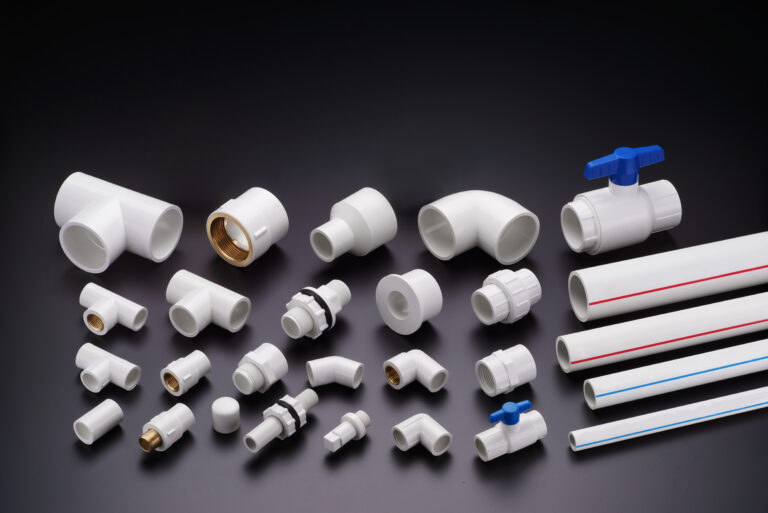
- Do you make the fittings as well as the pipes, so the whole system matches?
- What sizes and pressure classes are available for my application?
- How is the product tested before it leaves the factory?
- Can you provide installation and jointing instructions?
- How are orders delivered, and who can I speak to if there is a problem?
Compare More Than Price
Price per metre is easy to compare, but it can mislead. A cheaper pipe that is the wrong class, or that does not match its fittings, costs more once you count the repairs. Compare the full picture: the standard, the class, the fittings, the supply and the support you get after the sale. For a larger project, ask for a sample and a written specification before you place a bulk order.
Why Local Support Matters
A manufacturer or dealer close to your site can be easier to work with. Orders reach you sooner, and it is simpler to sort out a wrong size or a missing fitting. For projects in Telangana and Andhra Pradesh, a Hyderabad-based manufacturer is one of the options worth speaking to alongside others. Whichever you pick, ask for the same documents and compare them in the same way.
How to Check Pipe on Delivery
- Read the markings on a few lengths and compare them with your order.
- Look at the ends. They should be cut square and clean.
- Check that the wall looks even and that the colour is consistent.
- Check that the fittings are the type you ordered and fit the pipes.
- Store the pipes flat, supported along their length and out of direct sun.
Common Buying Mistakes
- Buying a pipe for cold water and using it on a hot-water line.
- Mixing pipes and fittings from different systems without checking the fit.
- Choosing on price alone.
- Skipping the check of markings and certificates.
- Leaving pipes in the sun for weeks before installation.
About Austro Pipes
Austro Pipes is a pipe manufacturer based in Hyderabad. Its range includes PVC and UPVC pipes, CPVC, SWR, DWC and electrical conduit, along with casing and capping. For product details and enquiries, contact the team through austropipes.com. Always confirm the specification for your own project with a qualified plumber, electrician or engineer before you buy or install.
Frequently Asked Questions
How do I choose a PVC pipe manufacturer?
Start with your application, then compare the standards the pipes are made to, the range of sizes and fittings, the supply and the support on offer.
What should I look for on the pipe?
The maker’s name, the size and the standard marking along its length. Ask the supplier for the certification details of that product.
Is ISO certification the same as product certification?
No. ISO certification relates to a company’s processes. Product certification relates to the pipe itself.
Can I use the same pipe for hot and cold water?
Not unless the pipe is made for it. CPVC is the usual choice for hot water. Follow the manufacturer’s guidance.
Should pipes and fittings come from the same maker?
It is the safer option, because they are designed to fit together. If you mix, check the fit and the suitability for the application.
Who decides the size and class?
A qualified plumber or engineer, based on your project. The manufacturer can also advise on what it supplies.