PVC Casing and Capping for Wiring: Types, Accessories and Installation Basics
Surface wiring is a common choice when walls are already finished and chasing them is not practical. PVC casing and capping is one of the simplest ways to do it. This guide explains what it is, where it is used, which accessories go with it and how an installation usually goes, so you can ask the right questions before you buy.
What Is PVC Casing and Capping?
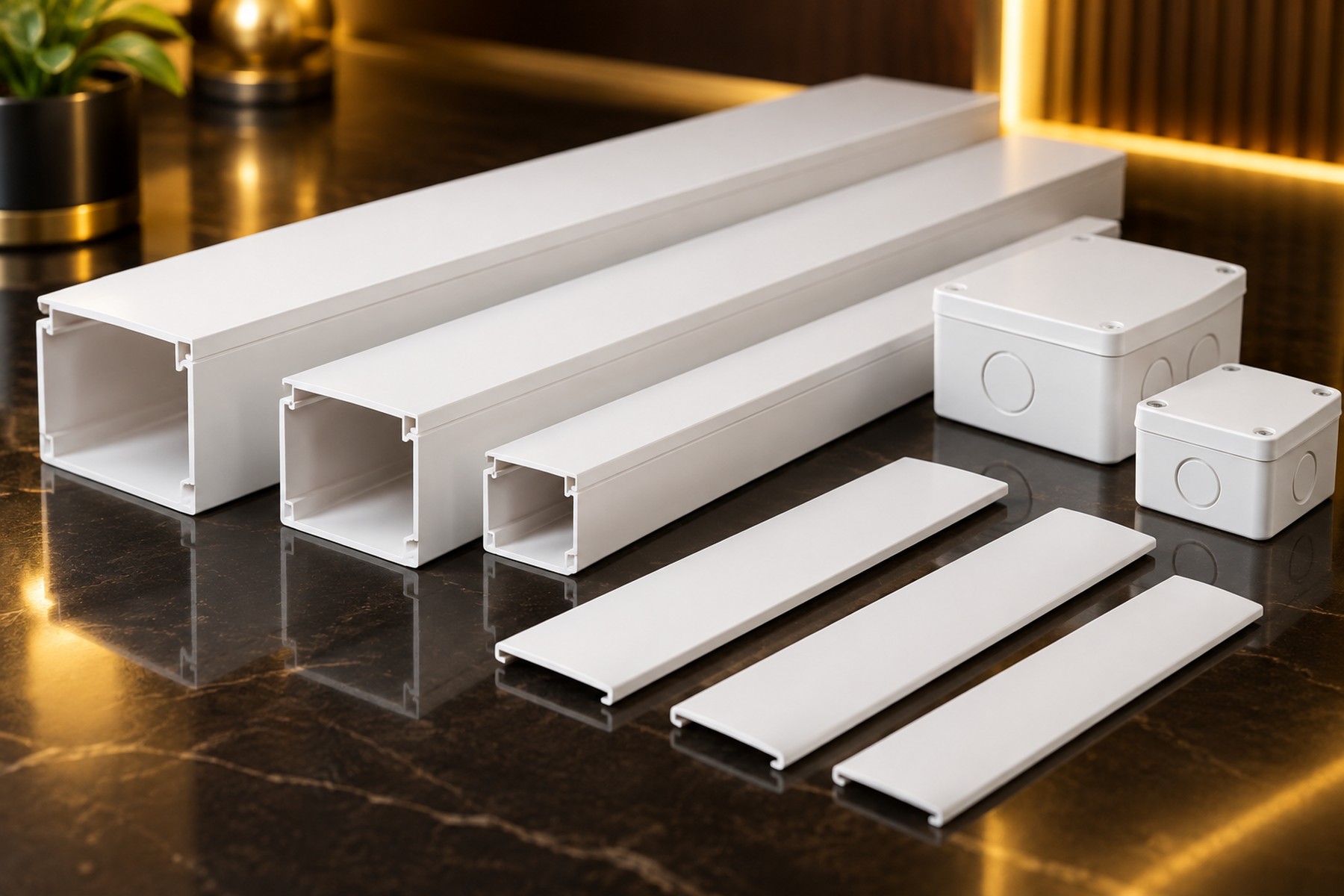
PVC casing and capping is a surface-mounted wiring system made from unplasticised PVC (uPVC). It has two parts. The casing is a U-shaped trough that holds the wires. The capping is a flat cover that snaps or fits over the casing and closes it. Once fixed to a wall or ceiling, the system forms a neat raceway that keeps wiring covered and away from dust, moisture, insects and accidental contact.
PVC is non-conductive and does not rust, which is why it is widely used for wiring protection in homes, shops and offices. As with any electrical product, always check the product details and the applicable standards with the manufacturer and with a qualified electrician.
Where It Is Used
- Retrofit work, where the walls are already plastered and painted.
- Rented homes and offices, where concealed wiring is not an option.
- Shops, workshops and storerooms where the wiring may need changes later.
- Temporary or semi-permanent installations that may be modified or removed.
Casing and Capping vs Conduit vs Channels
These products are related, but they suit different jobs. Casing and capping is a surface system with a removable cover, so wires can be added or changed later. PVC conduit is a tube, usually embedded in walls or fixed on surfaces, through which wires are pulled. Wider surface channels, often modular, can hold several cable runs together, and are often chosen where there are many cables, such as offices and IT rooms. The right choice depends on the building, whether you want concealed or surface wiring, and how many cables you expect now and later.
Accessories That Complete the System
A full installation needs more than the trough and the cover. Common accessories include:
- Junction boxes where cable runs meet or branch. Choose a type that suits the casing size and the number of connections.
- Bends and elbows for changes of direction.
- Tee pieces for branching in three directions.
- Couplers for joining two lengths of casing.
- End caps to close open ends.
- Clips, saddles or adhesive mounts for fixing, depending on the wall surface.
It helps to take the casing and accessories from the same maker, so the sizes fit together without gaps or forced joints on site.
How an Installation Usually Goes
- Plan the route. Map the path from the distribution board to each switch, socket and light point. Keep the runs straight and tidy.
- Mark the wall. Use a spirit level or a chalk line so the horizontal and vertical runs stay aligned.
- Cut the casing. Cut cleanly and remove sharp edges that could damage wire insulation.
- Fix the base. Fix the casing with the fixing method the manufacturer recommends for your wall type.
- Lay the wires. Do not overcrowd the casing. Follow the wiring rules and the electrician’s guidance on how many wires a size can take.
- Close with the capping. Fit the capping along the full length and check that it sits properly.
Wiring work should be carried out by a qualified electrician who follows the applicable electrical rules for your location.
What to Check Before You Buy
- Which sizes are available, and which one suits your wiring load.
- Whether the product carries the markings or test details the maker states, and whether the maker can show them.
- Whether matching junction boxes and fittings are available.
- The finish and colour, if the system will be visible in the room.
- Fixing instructions from the manufacturer.
- Who to call for product and specification questions.
Frequently Asked Questions
What is PVC casing and capping?
It is a two-part surface wiring system. A U-shaped trough (casing) holds the wires, and a cover (capping) closes it. It is fixed on walls or ceilings to protect and conceal wiring.
What is the difference between casing and capping and conduit?
Casing and capping is an open trough with a removable cover, so wires can be changed later. Conduit is a tube through which wires are pulled, and it can be fixed on a surface or concealed in a wall.
Can it be used outdoors?
Ask the manufacturer whether a specific product is suitable for outdoor or sun-exposed use, and follow their instructions for fixing and protection.
Can I install it myself?
Fixing the casing is simple, but the wiring itself should be done by a qualified electrician.
Where can I get product details?
For product details and enquiries, you can contact Austro Pipes through the website, austropipes.com. Always confirm specifications for your own project with a qualified plumber, electrician or engineer before you buy or install.