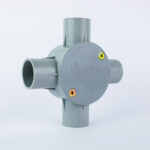
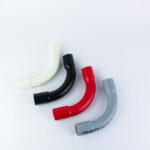
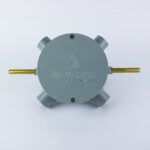
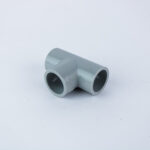
PVC Conduit Pipes: Reliable Protection for Electrical Wiring Systems
Introduction
PVC conduit pipes are a popular choice for protecting and organizing electrical wiring systems in residential, commercial, and industrial applications. Known for their durability, affordability, and versatility, PVC conduit pipes provide a reliable solution for routing wires safely and efficiently.
Key Features of PVC Conduit Pipes
1. Durable Construction
PVC conduit pipes are manufactured using high-quality polyvinyl chloride (PVC), which offers excellent strength and resistance to corrosion, moisture, and chemical damage. This ensures long-lasting performance and reliable protection for electrical wiring systems.
2. Lightweight and Flexible
Unlike metal conduit pipes, PVC conduit pipes are lightweight and flexible. They are easy to handle, transport, and install. Their flexibility allows smooth bending and routing around obstacles, helping reduce installation time and labor costs.
3. Non-Conductive
PVC conduit pipes are non-conductive, meaning they do not carry electricity. This significantly reduces the risk of electrical shocks and makes them a safer option for electrical installations.
4. UV Resistant
High-quality PVC conduit pipes are UV resistant, making them suitable for outdoor installations where exposure to sunlight is common. They maintain structural integrity and color stability even under harsh environmental conditions.
5. Cost-Effective
Compared to metal conduits, PVC conduit pipes offer a more economical solution without compromising on performance or durability, making them ideal for large-scale electrical projects.
Applications of PVC Conduit Pipes
1. Residential Wiring
PVC conduit pipes are widely used in homes for routing electrical wires through walls, ceilings, and floors. They protect cables from physical damage while keeping the wiring system organized.
2. Commercial Buildings
In offices, retail stores, schools, and other commercial properties, PVC conduit pipes help organize and safeguard electrical systems while ensuring compliance with building safety standards.
3. Industrial Facilities
Industrial environments such as factories and warehouses rely on PVC conduit pipes to protect wiring from chemicals, moisture, and mechanical stress.
4. Outdoor Installations
PVC conduit pipes are suitable for outdoor applications like landscape lighting, outdoor signage, and irrigation control systems due to their durability and weather resistance.
Expanded Piping Solutions
In addition to electrical conduit systems, many leading manufacturers also operate as a trusted swr pipes and fittings manufacturer, offering reliable soil, waste, and rainwater management solutions for residential and commercial buildings.
For underground infrastructure projects, companies also serve as an experienced upvc underground drainage pipes red pipe manufacturer, supplying durable drainage systems designed for long-term underground performance.
Key Benefits of PVC Conduit Pipes
- High durability and corrosion resistance
- Affordable compared to metal alternatives
- Lightweight and easy to install
- Non-conductive for enhanced safety
- UV resistant for outdoor use
- Available in multiple sizes and configurations
- Low maintenance requirements
- Fire-resistant properties
- Chemical resistance for industrial environments
- Compliance with industry standards and safety regulations
Conclusion
Overall, PVC conduit pipes offer a practical combination of durability, affordability, safety, and versatility. Their long service life and minimal maintenance needs make them an excellent choice for protecting and organizing electrical wiring systems across residential, commercial, and industrial applications.