What Is Foam Core Pipe SN? Meaning, Types, and Applications Explained
In modern drainage and sewer systems, choosing the right type of pipe is critical for long-term performance and durability. One term that often confuses buyers and contractors is SN rating. If you’ve ever wondered what is foam core pipe SN rating in drainage systems, this guide will help you understand it clearly and practically.
Foam core pipes are widely used in underground drainage because of their lightweight structure and high strength. But their performance largely depends on the SN (Stiffness Number), which determines how well the pipe can handle external loads.
What Is Foam Core Pipe SN Rating?
To begin with, let’s understand what is foam core pipe SN rating in drainage systems. SN stands for “Stiffness Number,” which measures the pipe’s resistance to deformation under external pressure, especially soil load.
In simple terms, the higher the SN rating, the stronger the pipe. For example, SN4 pipes are suitable for light-duty applications, while SN8 pipes are designed for heavy-duty underground installations.
Understanding what is foam core pipe SN rating in drainage systems is essential when selecting pipes for residential, commercial, or infrastructure projects.
Foam Core Pipe Structure and Working Explained
To fully understand their performance, it’s important to know the foam core pipe structure and working explained in simple terms.
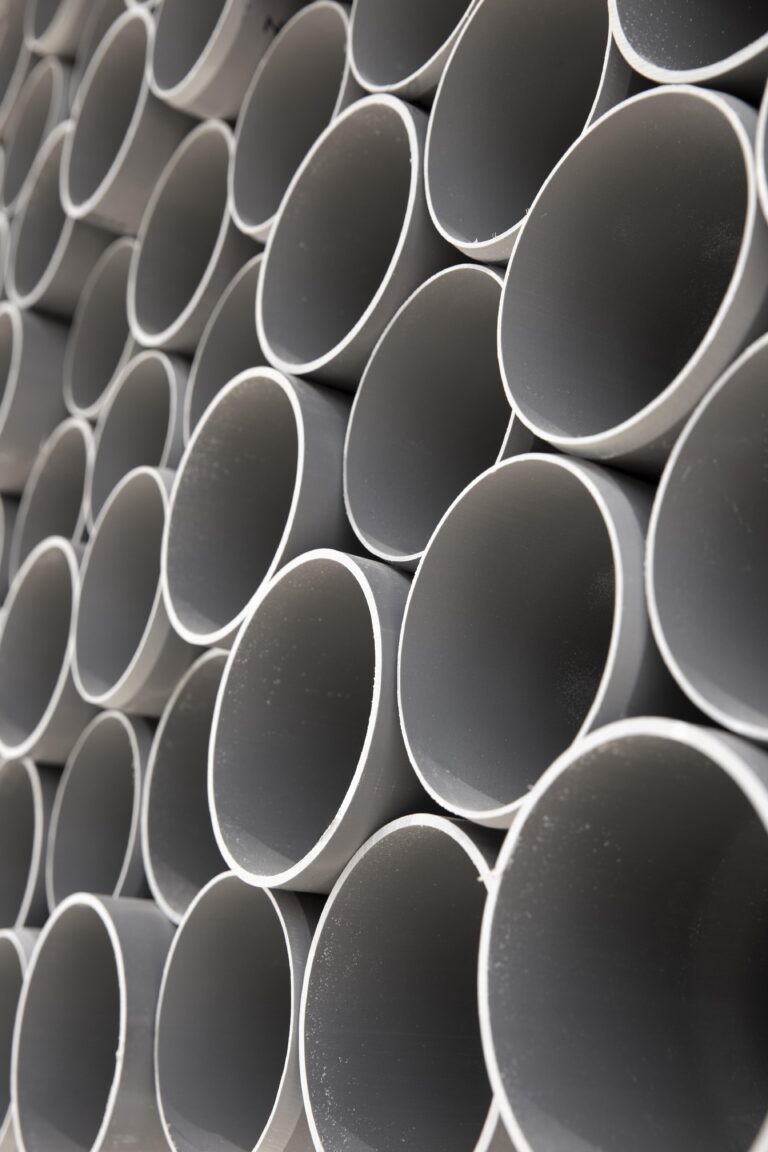
Foam core pipes typically consist of three layers:
- An outer solid PVC layer for strength
- A middle foam layer for lightweight structure
- An inner smooth layer for efficient flow
This layered design is the reason behind the durability and flexibility of foam core pipes. The foam core pipe structure and working explained shows how the pipe maintains strength while reducing weight, making installation easier and more cost-effective.
Difference Between SN4 and SN8 Foam Core Pipes Explained
One of the most common questions is the difference between SN4 and SN8 foam core pipes explained in practical terms.
SN4 pipes have a lower stiffness rating and are suitable for areas with minimal load, such as residential drainage or shallow installations. On the other hand, SN8 pipes have a higher stiffness rating and are used in heavy-load conditions like roads, highways, and deep underground systems.
Understanding the difference between SN4 and SN8 foam core pipes explained helps in choosing the right pipe based on the load-bearing requirements of your project.
Uses of Foam Core Pipes in Underground Drainage Systems
There are several uses of foam core pipes in underground drainage systems due to their unique design and strength.
These pipes are commonly used for:
- Residential sewage systems
- Rainwater drainage networks
- Underground waste disposal systems
- Industrial drainage applications
The uses of foam core pipes in underground drainage systems make them a versatile option for both small and large-scale projects.
Benefits of Foam Core Pipes for Sewer and Drainage
There are many advantages that make foam core pipes a preferred choice. The benefits of foam core pipes for sewer and drainage include durability, cost-effectiveness, and ease of installation.
Some key benefits are:
- Lightweight for easy handling
- High resistance to corrosion and chemicals
- Smooth inner surface for better flow
- Strong load-bearing capacity based on SN rating
- Long service life
These benefits of foam core pipes for sewer and drainage ensure reliable performance even in challenging conditions.
How to Choose the Right SN Rating
Selecting the correct SN rating is crucial for system efficiency. While understanding what is foam core pipe SN rating in drainage systems, you should also consider application requirements.
For residential use, SN4 pipes are usually sufficient. For areas with heavy traffic or deeper installations, SN8 pipes are recommended. The difference between SN4 and SN8 foam core pipes explained earlier helps guide this decision.
Choosing the right rating ensures durability and prevents future damage or pipe failure.
Common Mistakes to Avoid
While selecting foam core pipes, people often make mistakes such as:
- Ignoring SN rating requirements
- Choosing pipes based only on cost
- Not considering soil load and depth
- Using low-quality materials
Avoiding these mistakes will help you make better use of the benefits of foam core pipes for sewer and drainage.
Final Thoughts
Understanding what is foam core pipe SN rating in drainage systems is essential for selecting the right piping solution. From the foam core pipe structure and working explained to the difference between SN4 and SN8 foam core pipes explained, every factor plays a role in performance and durability.
With multiple uses of foam core pipes in underground drainage systems, these pipes have become a reliable choice for modern infrastructure. Their design and performance highlight the true benefits of foam core pipes for sewer and drainage, making them ideal for long-term applications.
By choosing the correct SN rating and quality materials, you can ensure a strong, efficient, and long-lasting drainage system.
Frequently Asked Questions (FAQ)
What is foam core pipe SN rating in drainage systems?
What is foam core pipe SN rating in drainage systems refers to the stiffness level of the pipe, which determines its ability to withstand external pressure.
What is the difference between SN4 and SN8 foam core pipes
The difference between SN4 and SN8 foam core pipes explained is that SN8 pipes have higher stiffness and are suitable for heavy-load conditions, while SN4 pipes are used for lighter applications.
What are the uses of foam core pipes in underground drainage systems?
The uses of foam core pipes in underground drainage systems include sewage systems, rainwater drainage, and industrial waste management.
How does foam core pipe structure work?
The foam core pipe structure and working explained involves a three-layer design that provides strength, flexibility, and smooth water flow.
What are the benefits of foam core pipes for sewer and drainage?
The benefits of foam core pipes for sewer and drainage include durability, corrosion resistance, lightweight design, and long lifespan
Which SN rating should I choose?
Choose SN4 for light-duty applications and SN8 for heavy-duty or deep underground installations.