How to Choose the Best UPVC Pipe Manufacturer in India Based on Quality and Performance
By@seo
Choosing the best UPVC pipe manufacturer in India requires more than comparing prices. The quality of the pipes, manufacturing consistency, compliance with applicable standards, and suitability for the intended application all influence the reliability of a piping system. UPVC pipes are commonly used in water distribution, plumbing, and other infrastructure applications because of their corrosion resistance and low maintenance requirements. However, not every pipe is designed for the same operating conditions. Understanding material quality, pressure ratings, product specifications, and manufacturer capabilities can help buyers make an informed decision and select pipes that meet their project’s requirements.
What Makes UPVC Pipes Suitable for Water Supply?
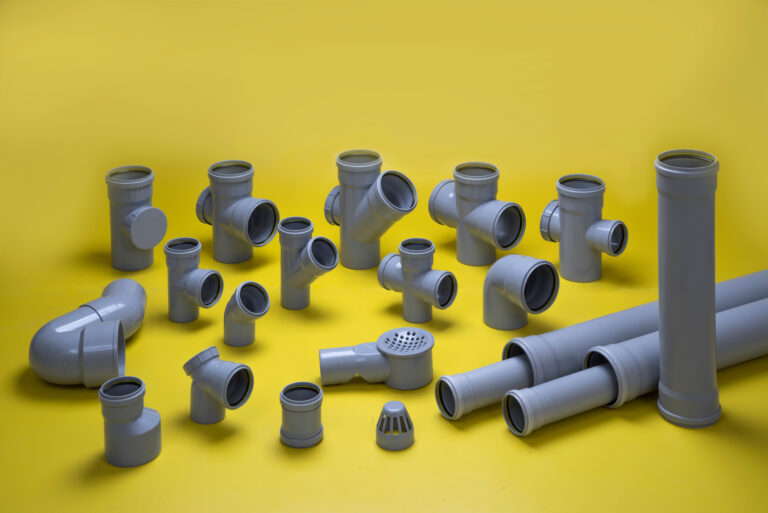
Unplasticized polyvinyl chloride (UPVC) is a rigid plastic material used to manufacture pipes and fittings for various applications. Unlike flexible PVC, UPVC does not contain added plasticizers that soften the material. UPVC pipes for water supply systems are used in suitable applications because they are lightweight, resistant to corrosion, and relatively easy to install. UPVC pipes supplier can provide pipes in different sizes and specifications to match project requirements. Their smooth internal surfaces can also help maintain water flow when the system is properly designed and maintained. Common applications include:- Residential and commercial plumbing.
- Water distribution networks.
- Agricultural water supply and irrigation.
- Selected industrial fluid-handling systems, where chemical compatibility is confirmed.
6 Factors to Consider When Choosing the Best UPVC Pipe Manufacturer in India
Selecting a manufacturer involves checking product specifications, quality control, manufacturing capabilities, and after-sales support. When comparing the largest PVC pipe manufacturers, buyers should also evaluate product consistency, applicable standards, production capacity, and supply reliability. The following factors can help buyers assess whether a supplier meets their requirements.1. Check Raw Material Quality
The quality of the raw material directly affects the pipe’s structural integrity and consistency. Manufacturers should use suitable UPVC compounds and maintain controlled production processes. Ask the manufacturer about:- Raw material specifications and sourcing.
- Material testing and quality control procedures.
- Batch identification and product traceability.
- Consistency in dimensions and finished product quality.
2. Verify Applicable Quality Standards
UPVC pipe quality standards help establish requirements for product dimensions, performance, and testing. Buyers should verify which Indian Standard (IS) applies to the intended pipe type and application. Before purchasing, check:- Whether the product complies with the applicable standard.
- Whether BIS certification or a licence is required for that product category.
- Whether the manufacturer’s certification details are valid and cover the specific product.
- Whether test reports and technical documentation are available.
3. Compare Pressure Ratings and Dimensions
Pressure rating indicates the operating pressure a pipe is designed to withstand under specified conditions. Pipe dimensions, wall thickness, and pressure class should match the system’s design requirements. When evaluating products, check:- Nominal diameter and actual dimensions.
- Pressure rating and intended operating conditions.
- Compatibility with fittings and joining methods.
- Temperature limitations and installation requirements.
4. Evaluate Durability and Performance
UPVC pipe performance and durability depend on material quality, manufacturing consistency, installation practices, and exposure to operating conditions. Look for products with documented performance characteristics, consistent dimensions, and suitable resistance to corrosion and common service conditions. Also consider whether the pipes are designed for indoor plumbing, outdoor installations, irrigation, or other specific uses. Exposure to sunlight, temperature changes, and unsuitable chemicals can affect service life. A manufacturer that provides clear technical specifications helps buyers evaluate product suitability before installation.5. Assess Manufacturing Capacity and Product Range
The best UPVC pipe manufacturer in India for a particular project should be able to supply the required specifications and quantities within the project’s schedule. Consider:- Availability of required diameters and pressure classes.
- Consistency across production batches.
- Manufacturing capacity and delivery timelines.
- Availability of compatible fittings and accessories.
- Packaging and transportation arrangements.
6. Review Technical Support and Documentation
Reliable documentation helps contractors, engineers, and procurement teams verify product suitability. Ask for product catalogues, technical datasheets, installation instructions, warranty terms, and relevant test reports. Clear documentation also helps prevent incorrect pipe selection and installation errors. Manufacturers that provide responsive technical support can help resolve specification questions before procurement and installation.How to Compare UPVC Pipe Manufacturers Before Buying
Use a structured evaluation process instead of relying on price alone.- Define project requirements: Identify the application, pipe diameter, pressure rating, and installation conditions.
- Shortlist manufacturers: Compare product ranges, manufacturing capabilities, and relevant experience.
- Verify compliance: Review applicable standards, certification details, and supporting documentation.
- Compare product specifications: Check dimensions, pressure ratings, joining systems, and performance information.
- Evaluate commercial terms: Compare pricing, minimum order quantities, delivery schedules, and warranty conditions.
- Confirm product quality: Where appropriate, review samples or request inspection and testing documentation before placing a bulk order.
Common Mistakes to Avoid When Selecting UPVC Pipes
Even a well-manufactured pipe may fail to perform as expected if it is incorrectly selected or installed. Avoid these common mistakes:- Choosing pipes based only on the lowest quotation.
- Ignoring pressure ratings and application-specific requirements.
- Overlooking certification and product documentation.
- Mixing incompatible pipes, fittings, or joining systems.
- Neglecting proper storage, handling, and installation procedures.